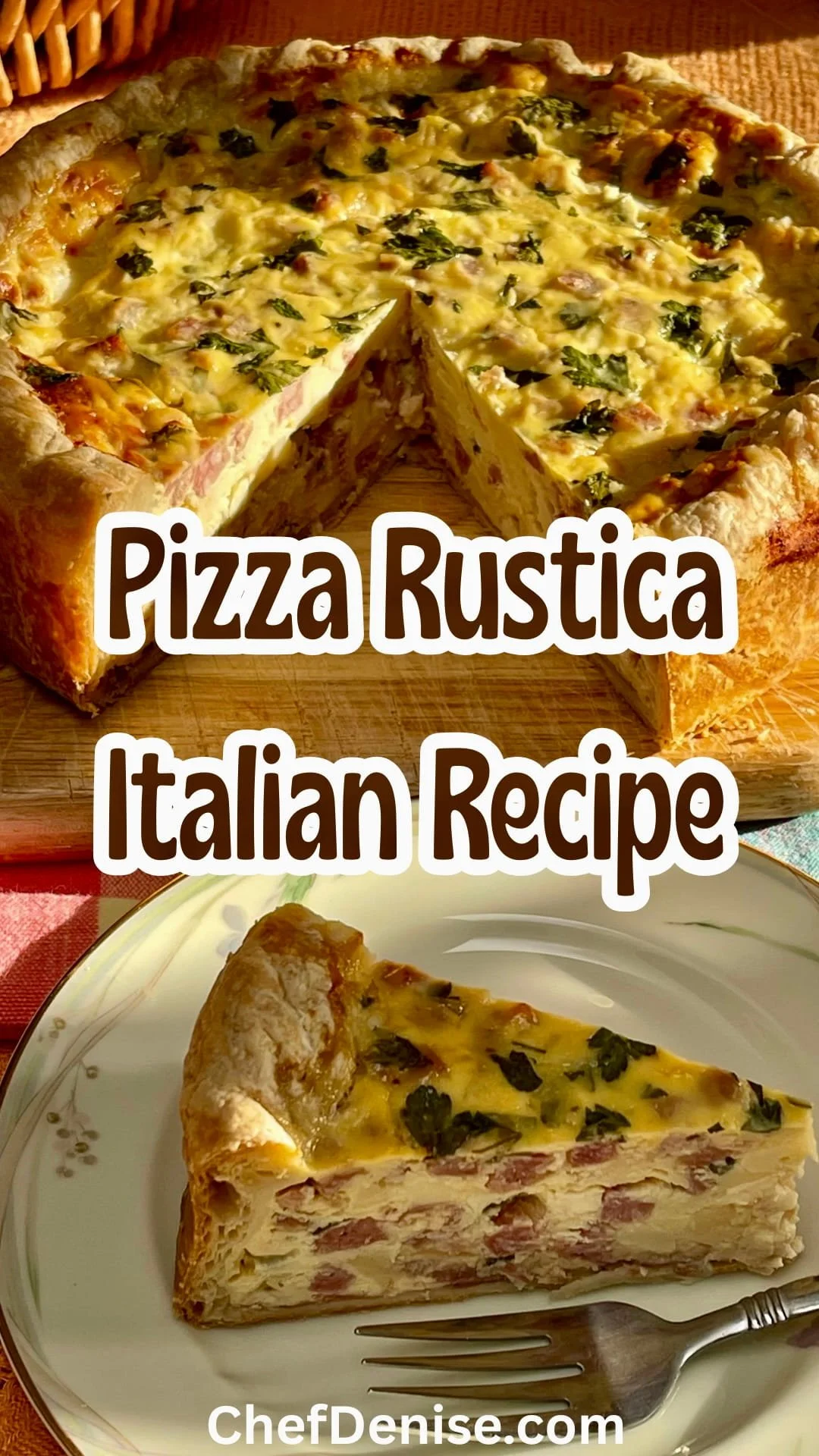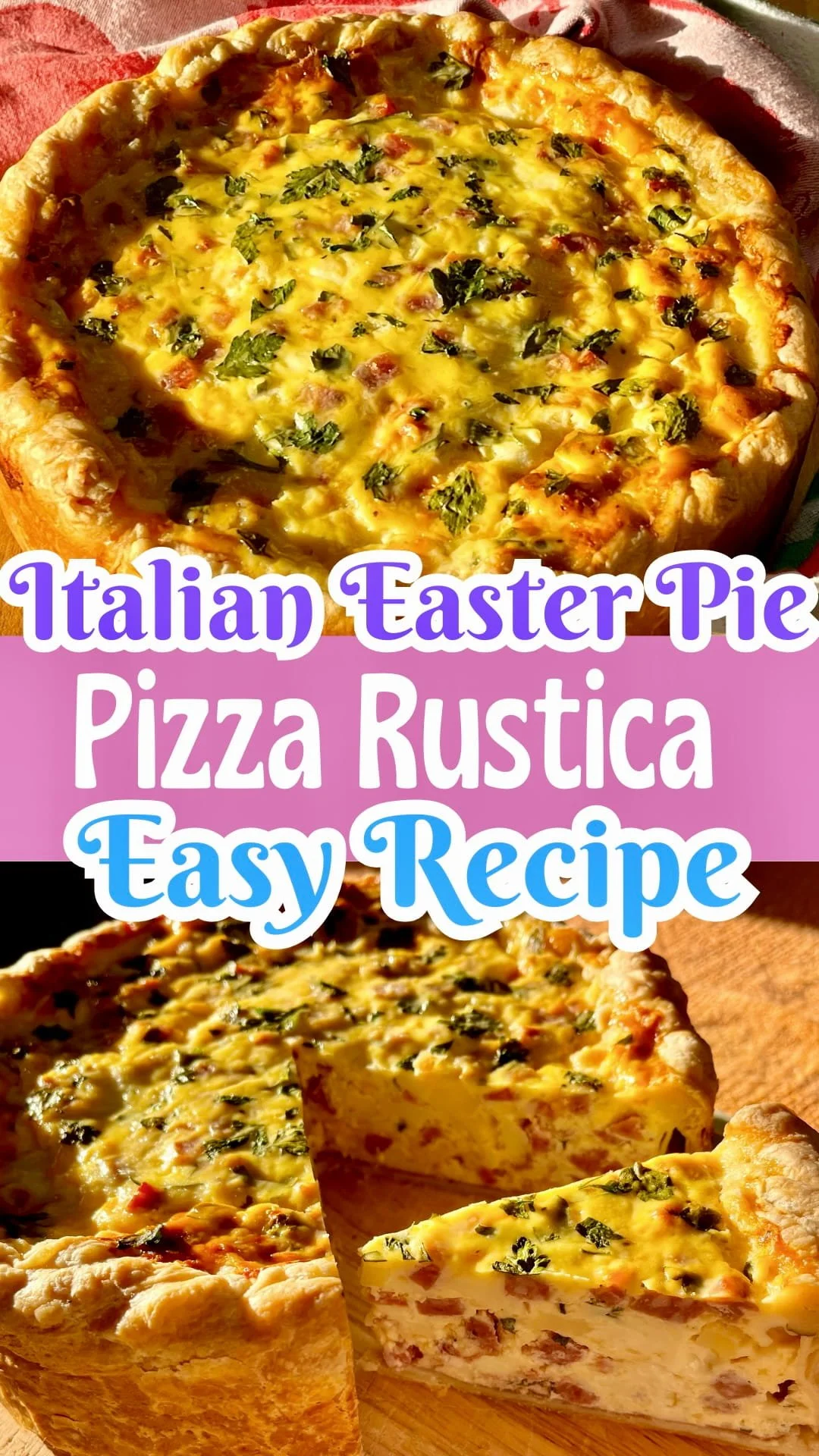
Pizza Rustica (Pizzagaina): Italian Easter Meat Pie
In southern Italy, Pizza Rustica, also called Pizzagaina, is a savory pie packed with a blend of cheeses and cured meats nestled in a flaky crust. Sound delicious? It is! And it’s one of my family’s favorite dishes from the Old Country!
Pizza Rustica is most often enjoyed during the Easter celebration, emphatically signaling the end of Lenten fasting with its rich, decadent filling. As a kid, I looked more forward to this pie than I did to my Easter basket—and that’s saying something!
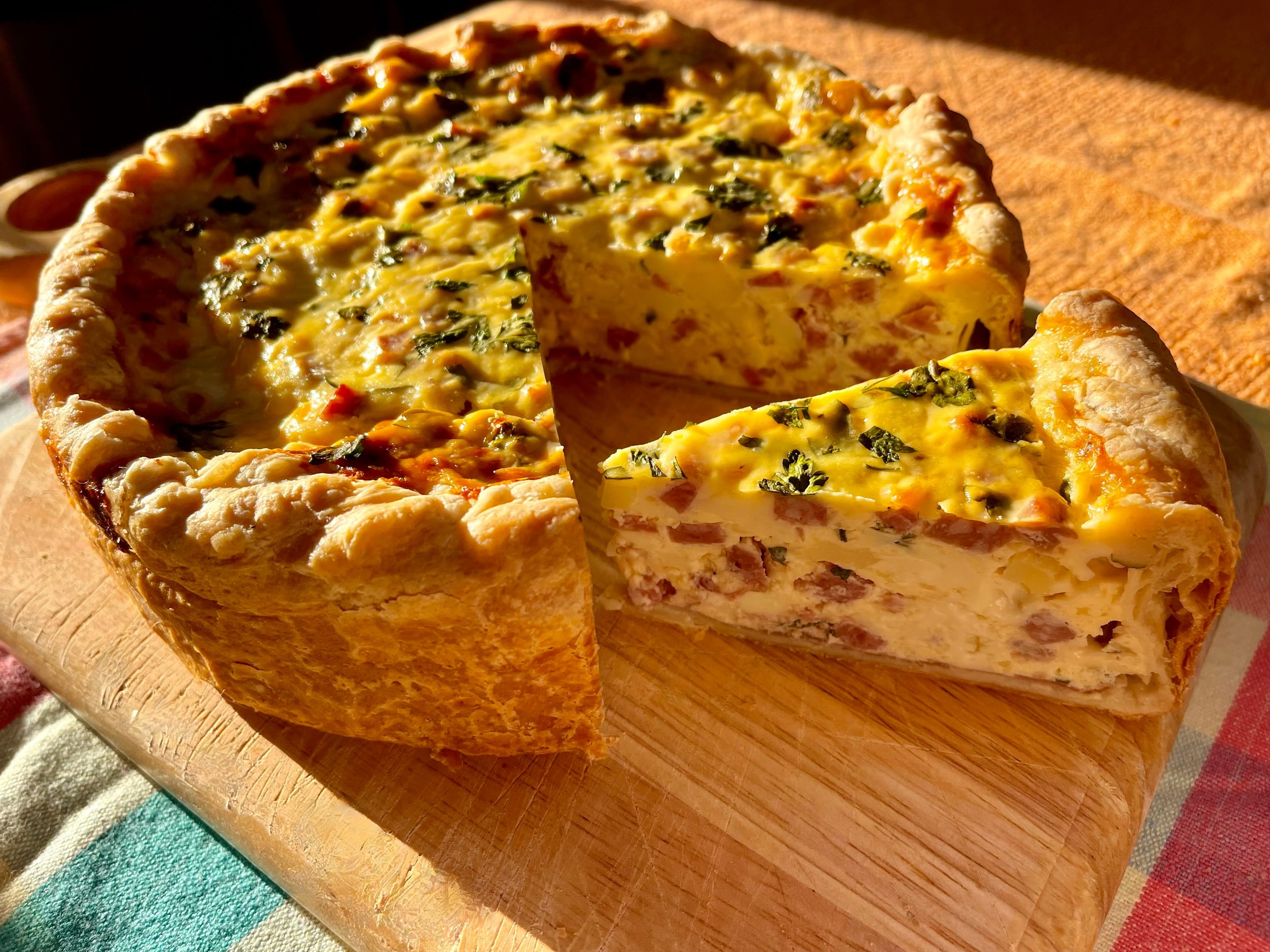
In my family, every year for Easter my nonna would prepare this traditional dish from Campania, the region of Italy her parents came from. When she passed the duty of making Pizzagaina (what she most often called this pie) to me, it was an honor—and a lot of pressure (I wasn’t a chef yet)!
I made a few simple tweaks to make this traditional recipe easier, and no one has ever noticed (not even my picky mom).
Ingredients and Substitutions
One thing about my nonna, she was a stickler for using the best ingredients, and I honor that tradition. Here are some tips to help you make this Italian tradition your own while still using the best components to meet your preferences.
The Crust
For convenience and a wonderfully flaky texture, I use a package of puff pastry. It creates a light, buttery crust that perfectly complements the dense filling.
If you prefer a more traditional, sturdy base, you could use your favorite homemade pie dough, pizza dough, or a store-bought shortcrust pastry.
My preference is to go topless: In other words, this recipe does not have a top crust. I think it is tastier and more beautiful without one. If you want your Pizza Rustica to have a layer of dough on top of the pie, you will need more pastry and an egg wash.
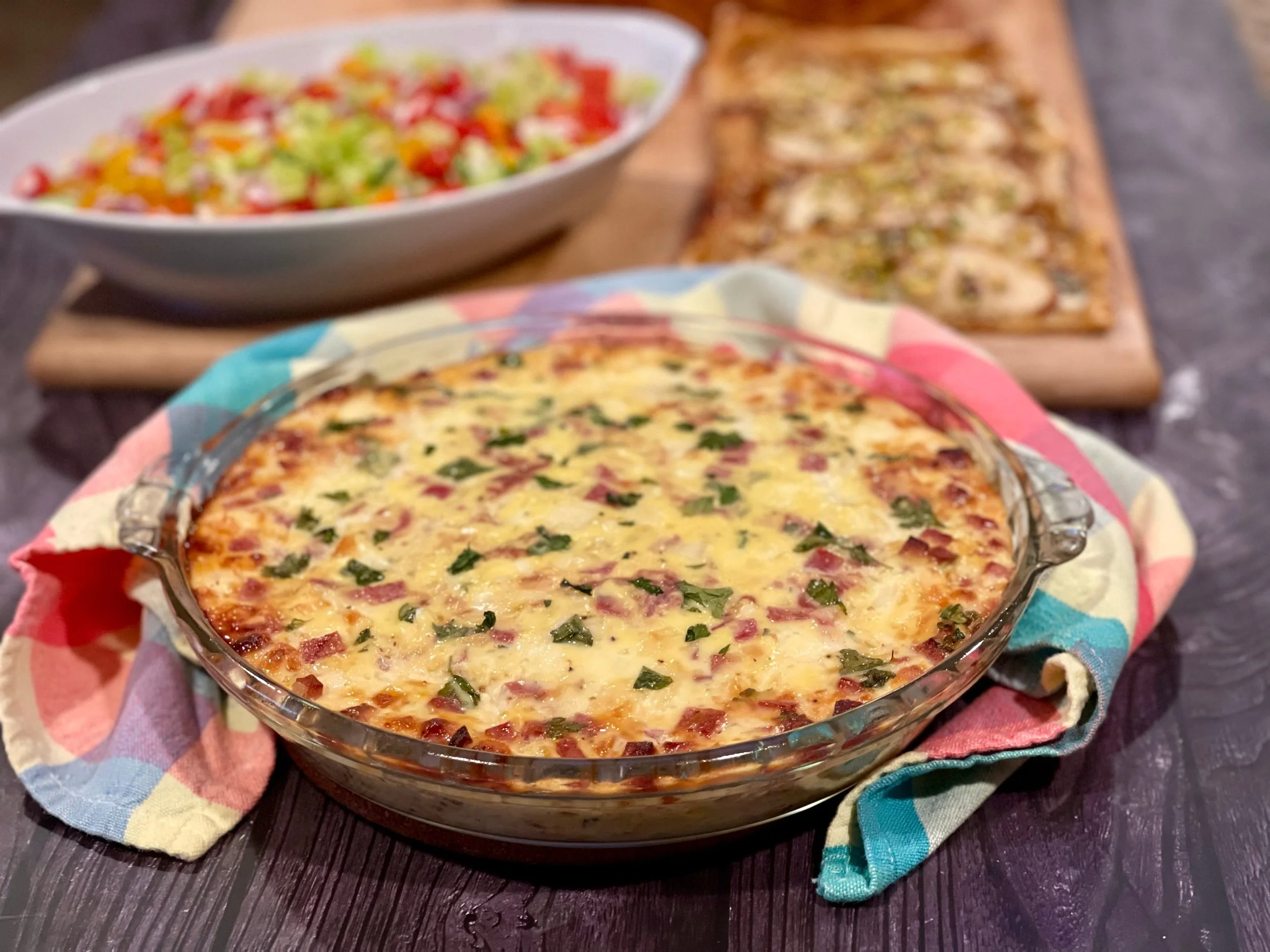
In my opinion, it’s also OK to buck tradition and go crustless. If you choose this rebel method, use a glass pie pan instead of the spring form, and cook for 1 hour.
The Cheeses
My nonna used a quartet of popular Italian cheeses; two are on the creamy side (ricotta and mozzarella) and two are sharp (provolone and parmesan).
Creamy Cheeses
Nonna always insisted on whole-milk ricotta and mozzarella for the best flavor and texture. This was non-negotiable—even if you were just diagnosed with high cholesterol or were on a diet. That said, the recipe will of course work with part-skim cheeses as well; the result just won’t taste the same.
There really isn’t a good substitute for creamy ricotta. It blends so well with the eggs to make the perfect base of this rustic pie.
You can purchase fresh mozzarella, regular (lower-moisture) mozzarella—buffalo or not—or any other style of whole-milk mozzarella that you like. If you’re feeling adventurous, you can replace mozzarella with fontina or taleggio.
Sharp Cheeses
The sharp cheeses contribute to the salty, nutty flavor in the pie. For the parmesan, I always use Parmigiano Reggiano. During my first visit to Bologna, I got hooked and never looked back.
I prefer sharp to mild provolone because it adds a nice piquant flavor. However, you can actually skip the provolone and cube some of the Parmigiano Reggiano if you prefer.
Or, you can replace either sharp cheese with grana padano, asiago, or pecorino Romano cheese. Just use the same quantity and either grate or cube depending on the cheese you are replacing.
The Meats
The Italian meats provide a salty, savory counterpoint to the creamy cheeses. Use high-quality meats you like. If you start with something mediocre, the pie will not make it better; mediocre meat will bring the whole pie down.
Salami: A premium dry salami, like Sopressata or Genoa Salami works best.
Prosciutto Crudo: This cured Italian ham adds a delicate, salty-sweet flavor.
If you want to experiment or substitute, mortadella, pepperoni, prosciutto cotto (cooked ham), or cooked Italian sausage can replace either meat. Just use the same quantity and either slice or dice depending on what you’re replacing.
Need help choosing your meats? Read Italian Salumi Board.
For a vegetarian version, you can simply omit the meats and add any veggie you fancy. Or make this vegetarian Easter pie: Torta Pasqualina.
Pizza Rustica Recipe
This recipe is designed for a 9-inch springform pan, which makes removing the tall, impressive pie incredibly easy.
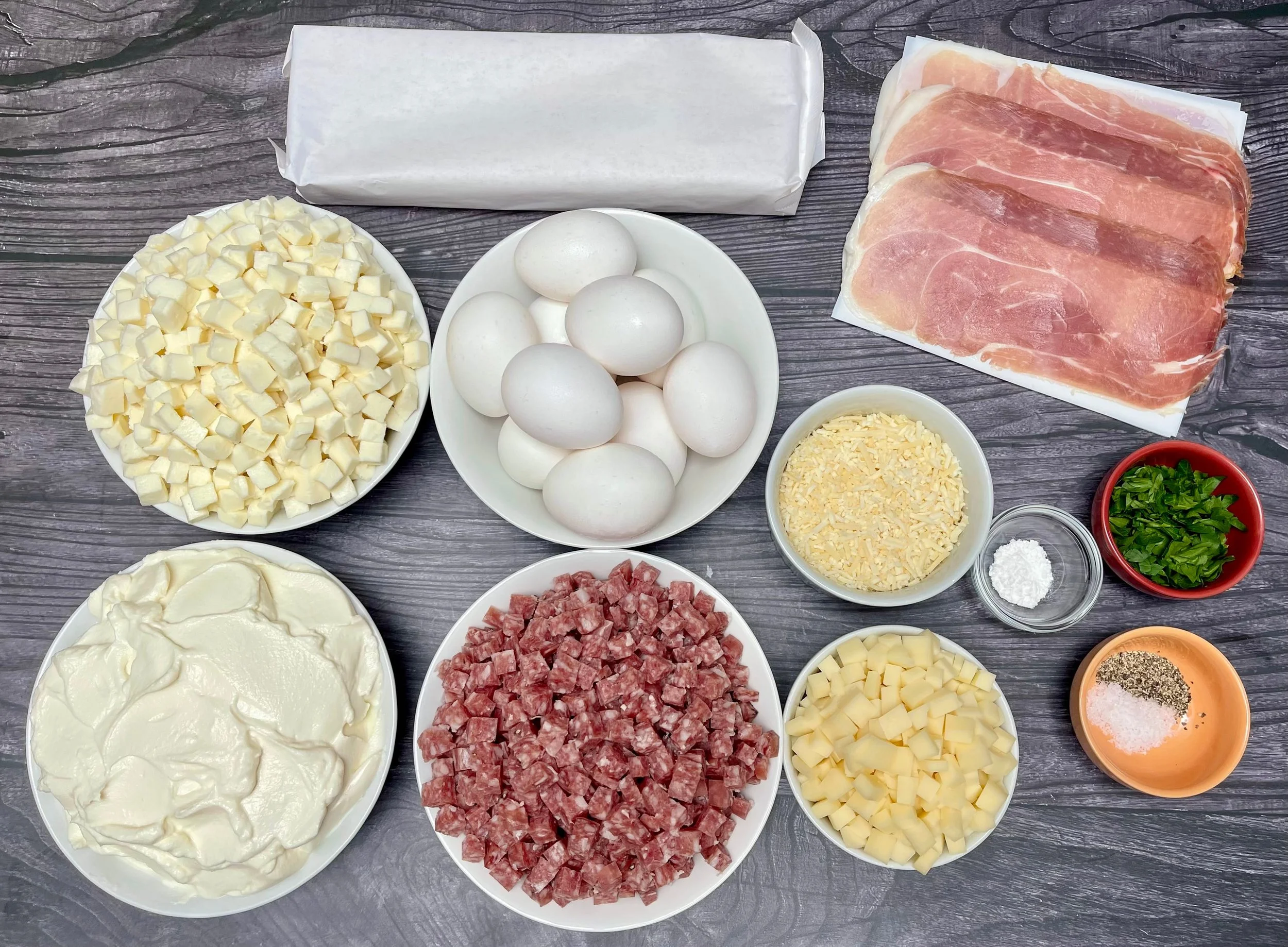
Ingredients
1 package (about 14 to 17 ounces) puff pastry, thawed
5 large eggs
¼ teaspoon black pepper
16 ounces whole-milk ricotta cheese
12 ounces whole-milk mozzarella, cut into small cubes
4 ounces sharp provolone cheese, cut into small cubes
⅓ cup Parmesan cheese, shredded or grated
8 ounces dry salami, cut into small cubes
¼ teaspoon baking powder
2 teaspoons fresh parsley leaves, roughly chopped (plus more for garnish)
6 ounces prosciutto
Instructions
1. Preheat and Prepare the Pan: Preheat your oven to 325°F, and spray your pan with olive oil spray or coat it with a little olive oil.
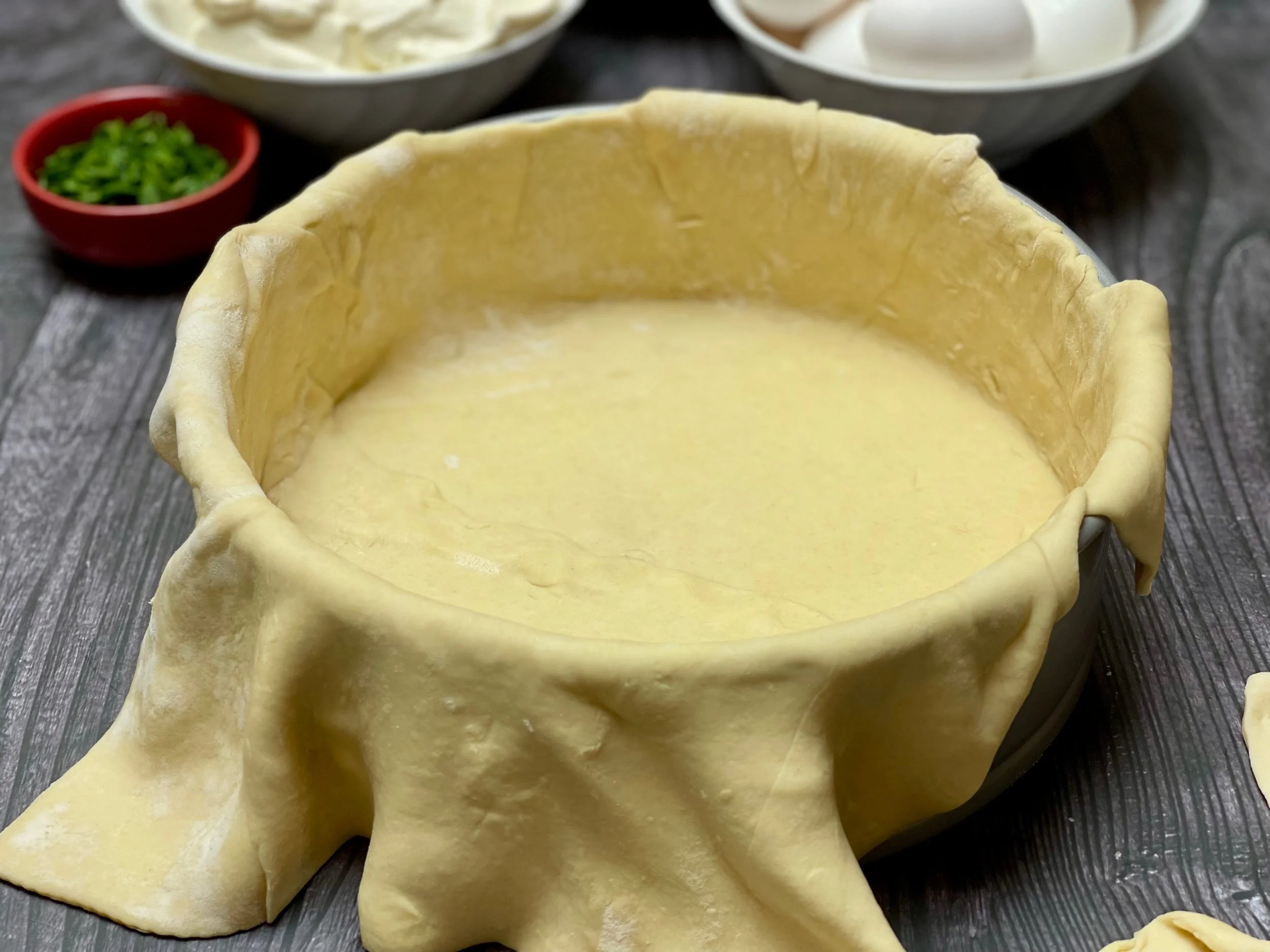
2. Prepare the Crust: Unroll your puff pastry sheets. On a clean work surface, use a rolling pin to roll them out so they are uniform in thickness.
If you have one large roll, gently press the pastry dough into the bottom and up the sides of a 9-inch springform pan.
If you have two rolls, cover as much as you can with one roll and then add the second roll at the seam and press it together.
If you have any overhang of excess dough, just leave it; you’ll cut it after the pie is filled.
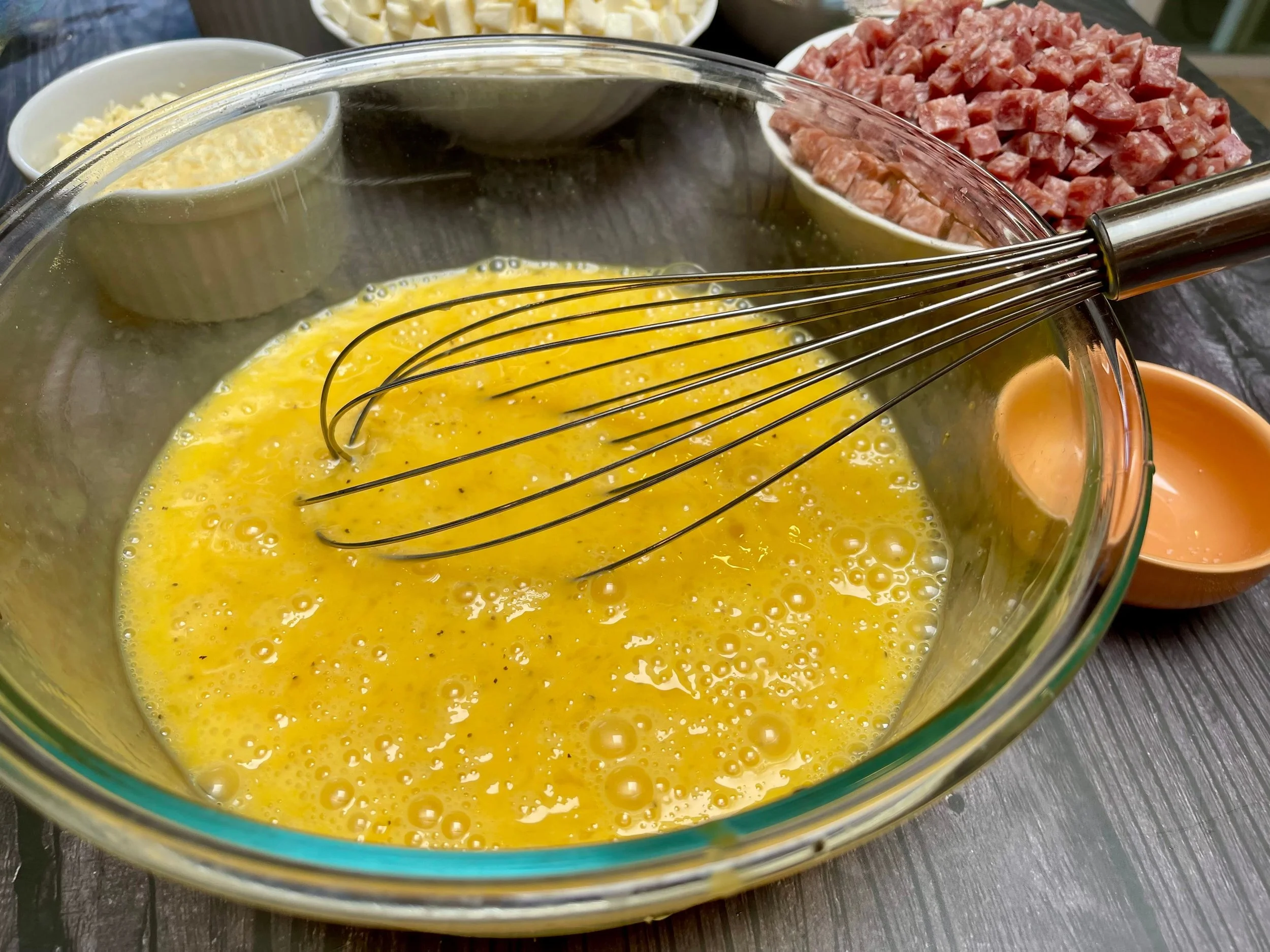
3. Make the Filling: In a large mixing bowl, lightly beat the eggs. Add the black pepper and ricotta cheese to the beaten egg mixture and whisk until well combined and smooth.
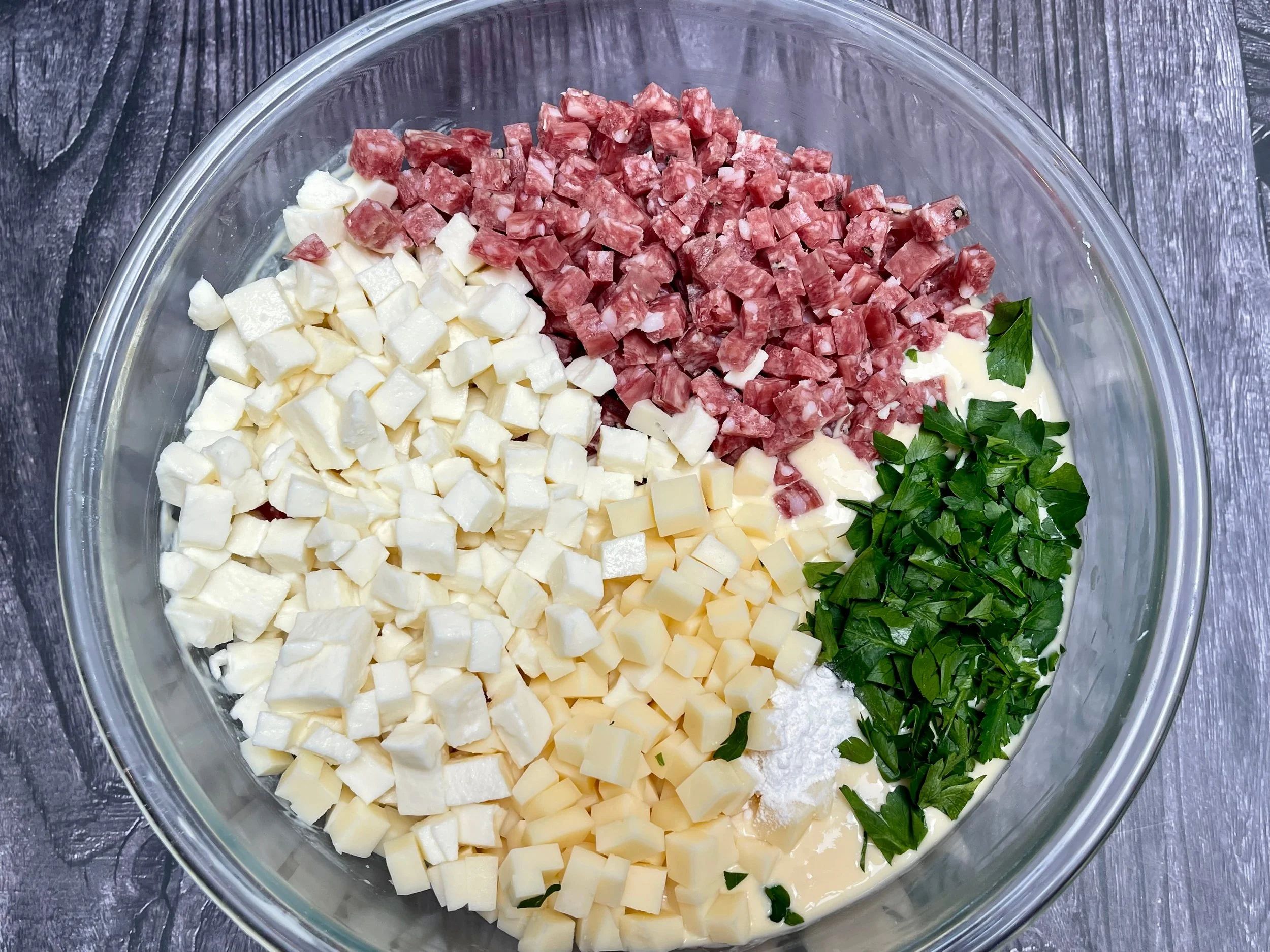
4. Combine Ingredients: With a wooden spoon or spatula, gently fold the cubed mozzarella, cubed provolone, Parmesan, cubed salami, baking powder, and 2 teaspoons of chopped parsley into the ricotta mixture.
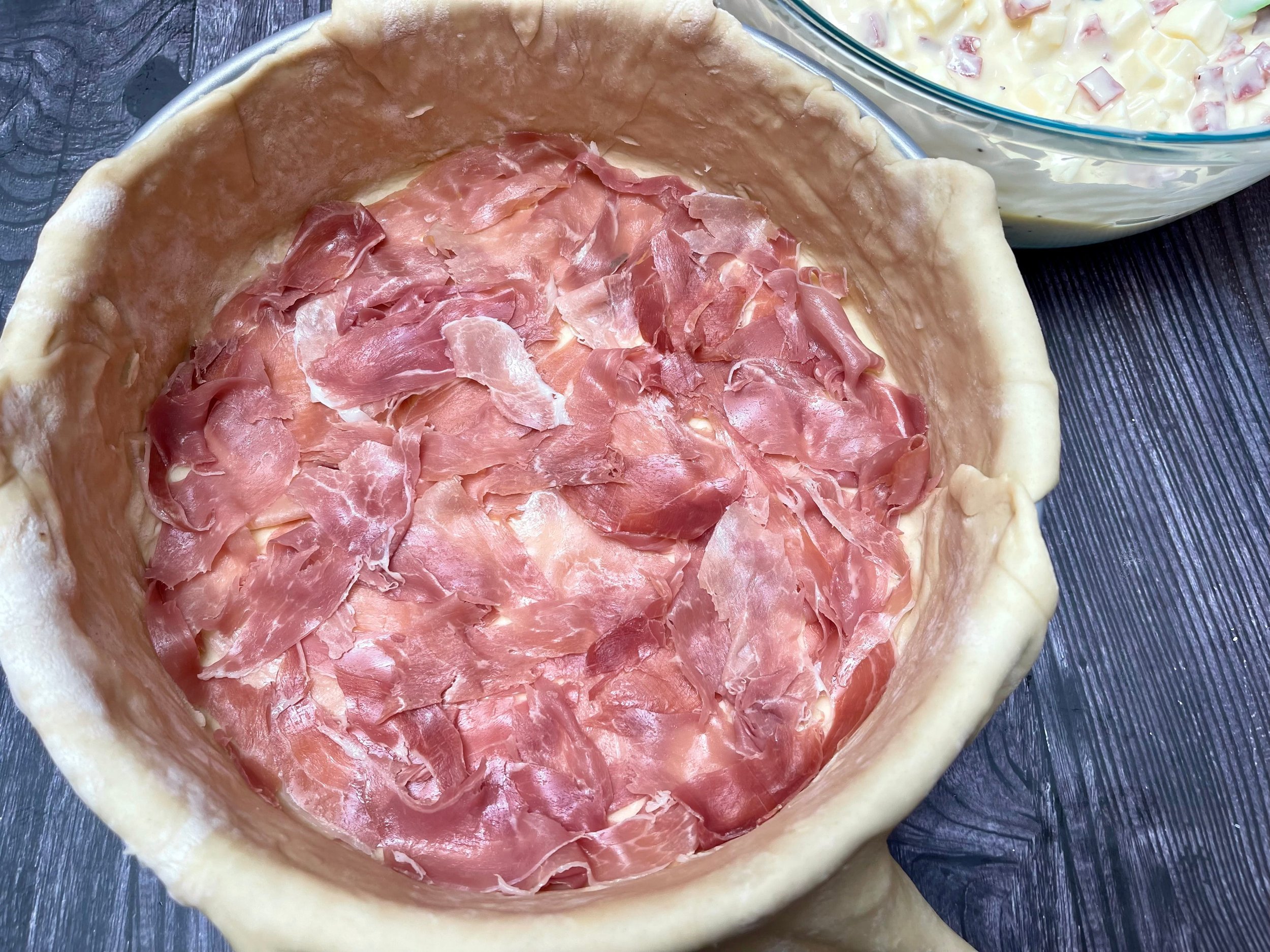
5. Layer of Prosciutto: Tear off pieces of prosciutto and line the bottom of the pie with a layer. It’s ok to overlap. Once you’re done, either chop or rip the remaining prosciutto into pieces and add it to the ricotta filling.
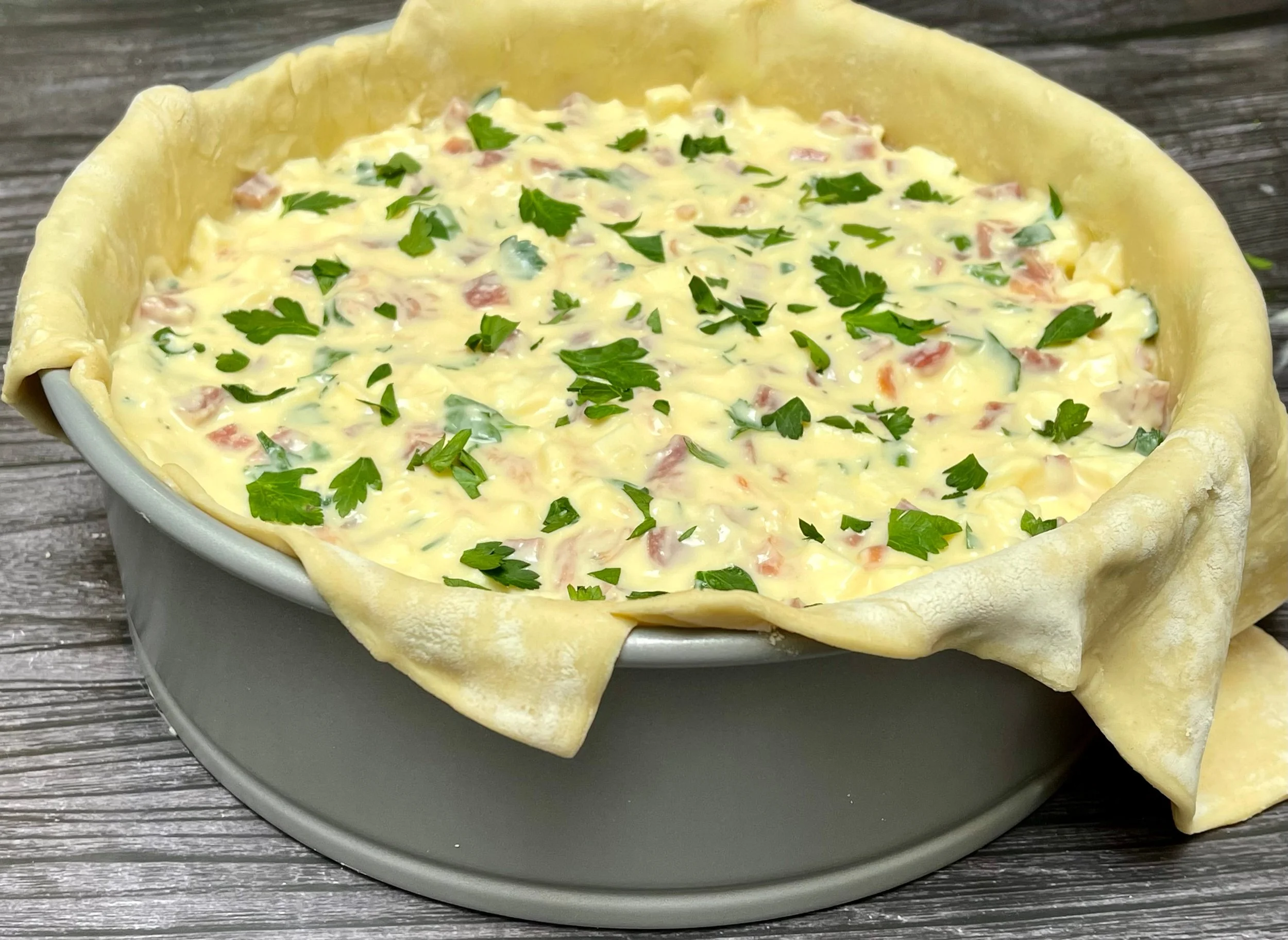
6. Assemble the Pie: Carefully pour the cheese and meat filling into the pastry-lined springform pan, spreading it into an even layer with a spatula. Sprinkle the remaining parsley on top.
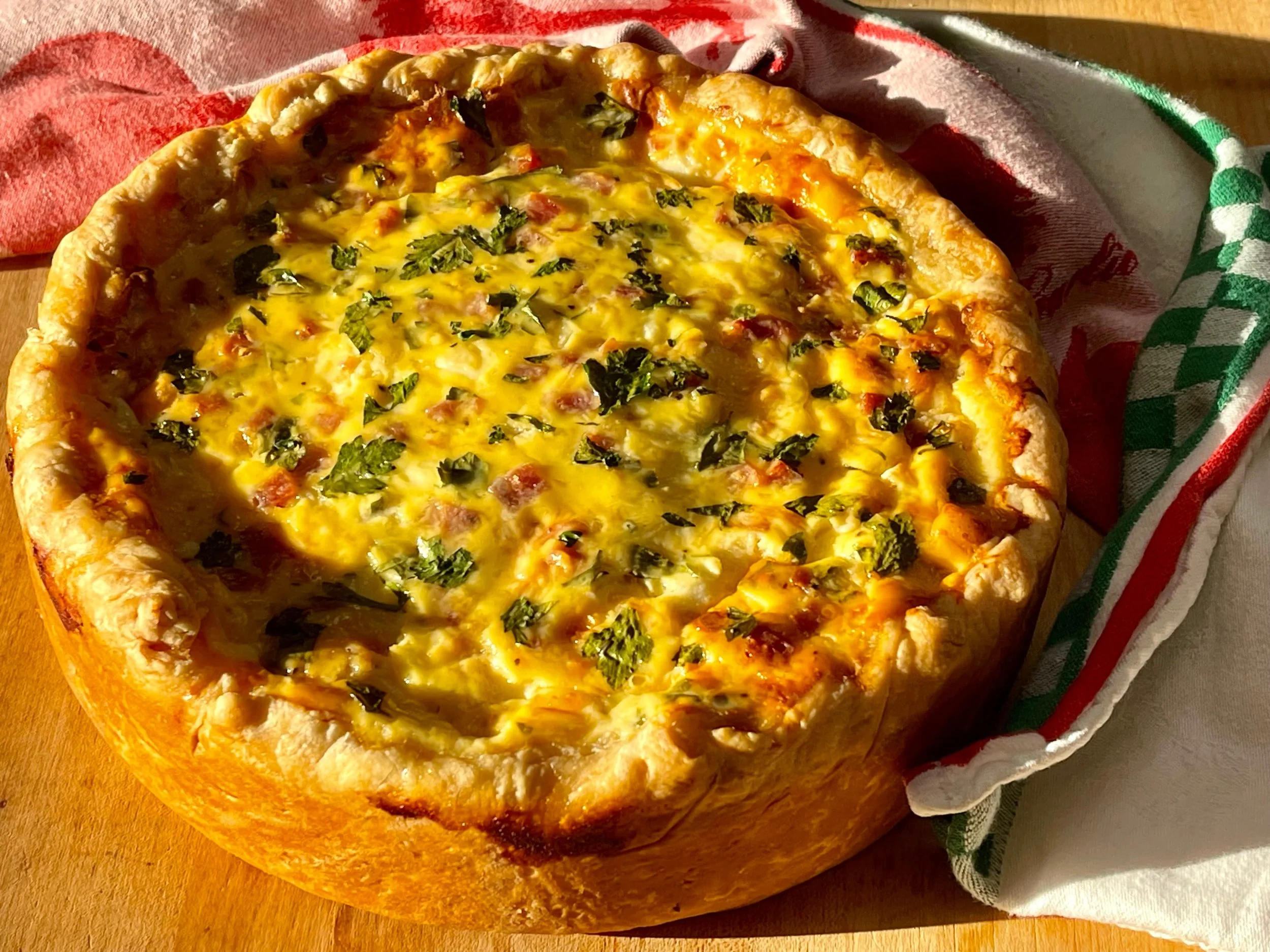
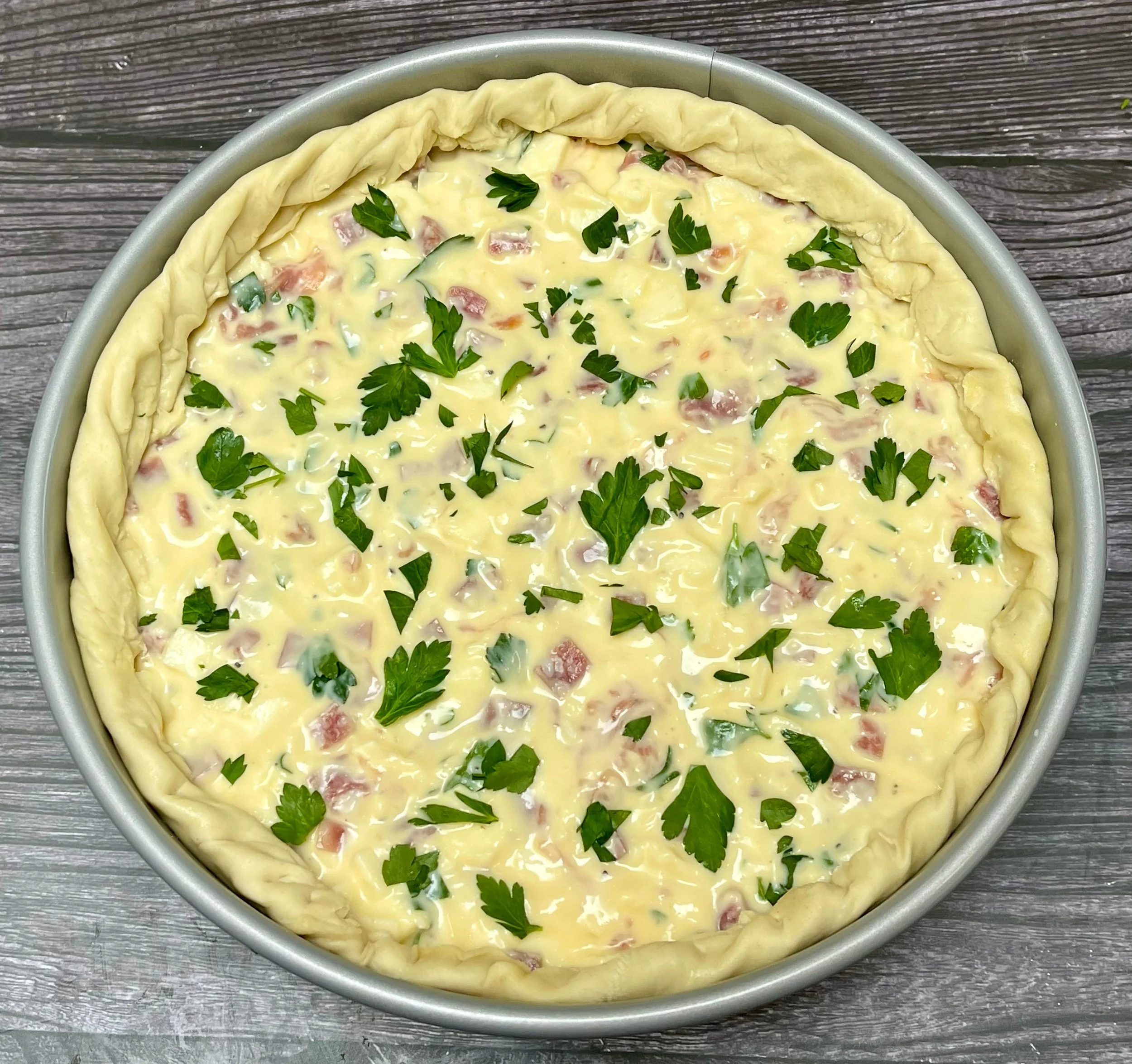
7. Finish the Crust: With a sharp knife or scissors, cut the excess puff pastry that is hanging over the rim. Leave enough that you can crimp the edges of the top or fold them over for a neat finish (as in the photo below).
8. Bake the Pie: If you’re filled to the top, place the springform pan on a baking sheet to catch any potential drips. Bake for 60 minutes, and then check the color of your pie. If it’s not browning, turn the oven up to 350°; if it’s just starting to brown keep the temperature at 325°. Continue cooking for another 30 minutes, or until the crust is deep golden brown and the filling is somewhat firm.
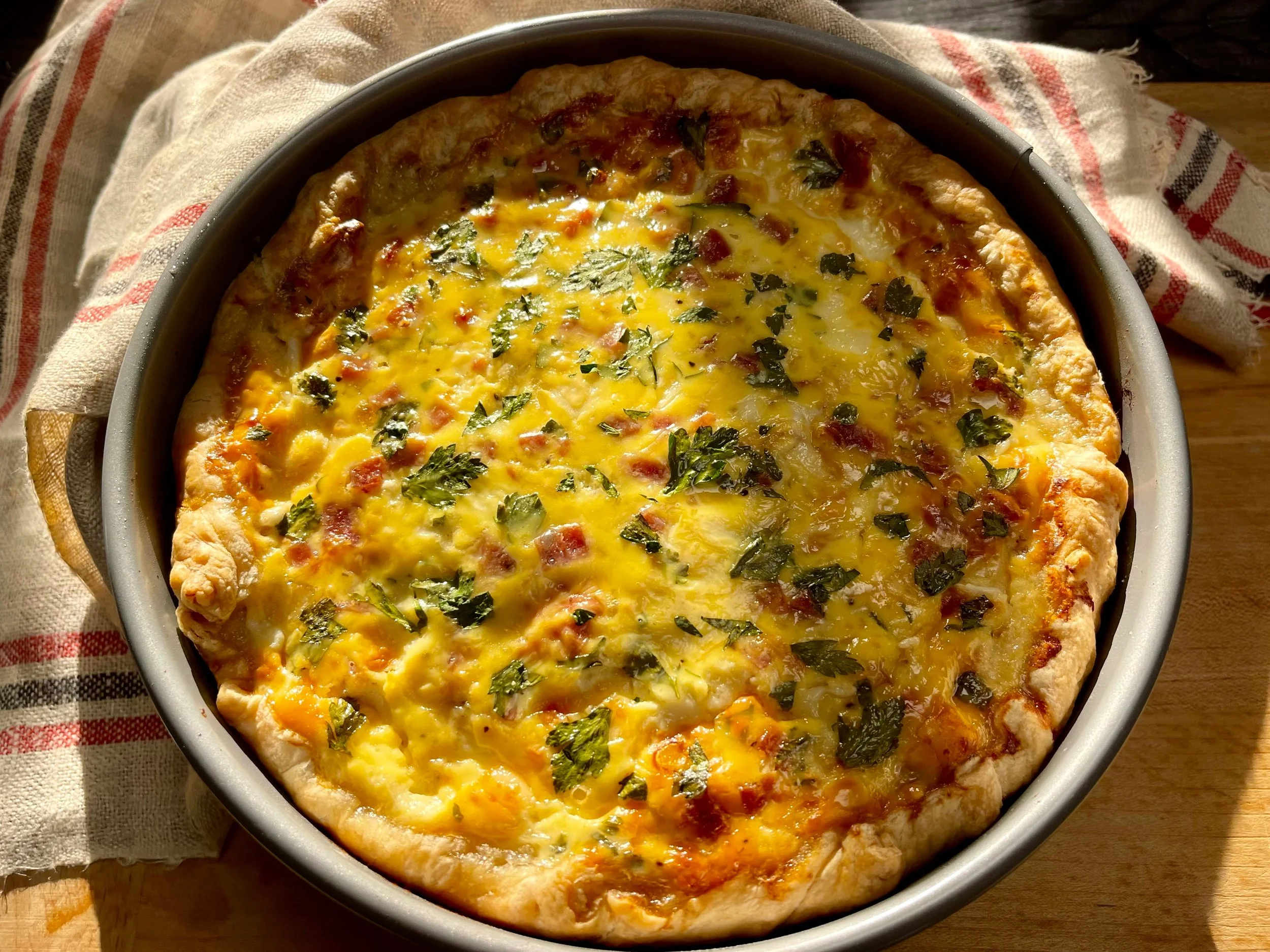
9. Cool Your Pizzagaina: Once baked, remove the pie from the oven and let it cool in the pan on a wire rack for approximately one hour. This is a crucial step! The pie needs to cool and set properly before you can remove the springform.
After removing the springform pan, let the pie cool at least another hour before slicing it. Attempting to slice it while it’s too warm will result in a messy presentation. Don’t be afraid of overcooling; this dish is most often served at room temperature or cold.
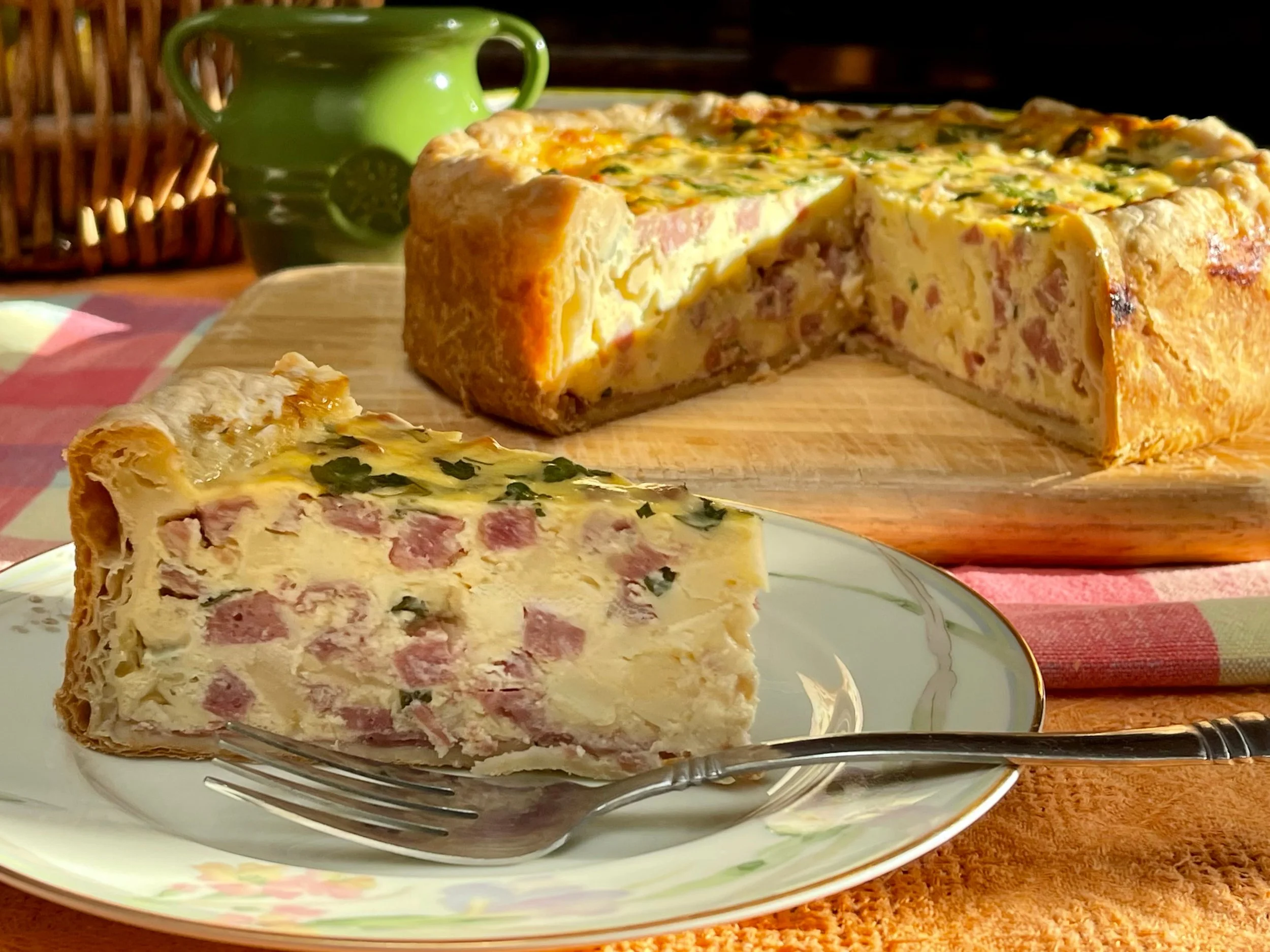
Serving and Storing Your Pizza Rustica
In Italian cuisine, there are many types of Easter pies, both sweet and savory. Every family seems to have their own unique twist on each. And it is not uncommon to have pies before and after the main course.
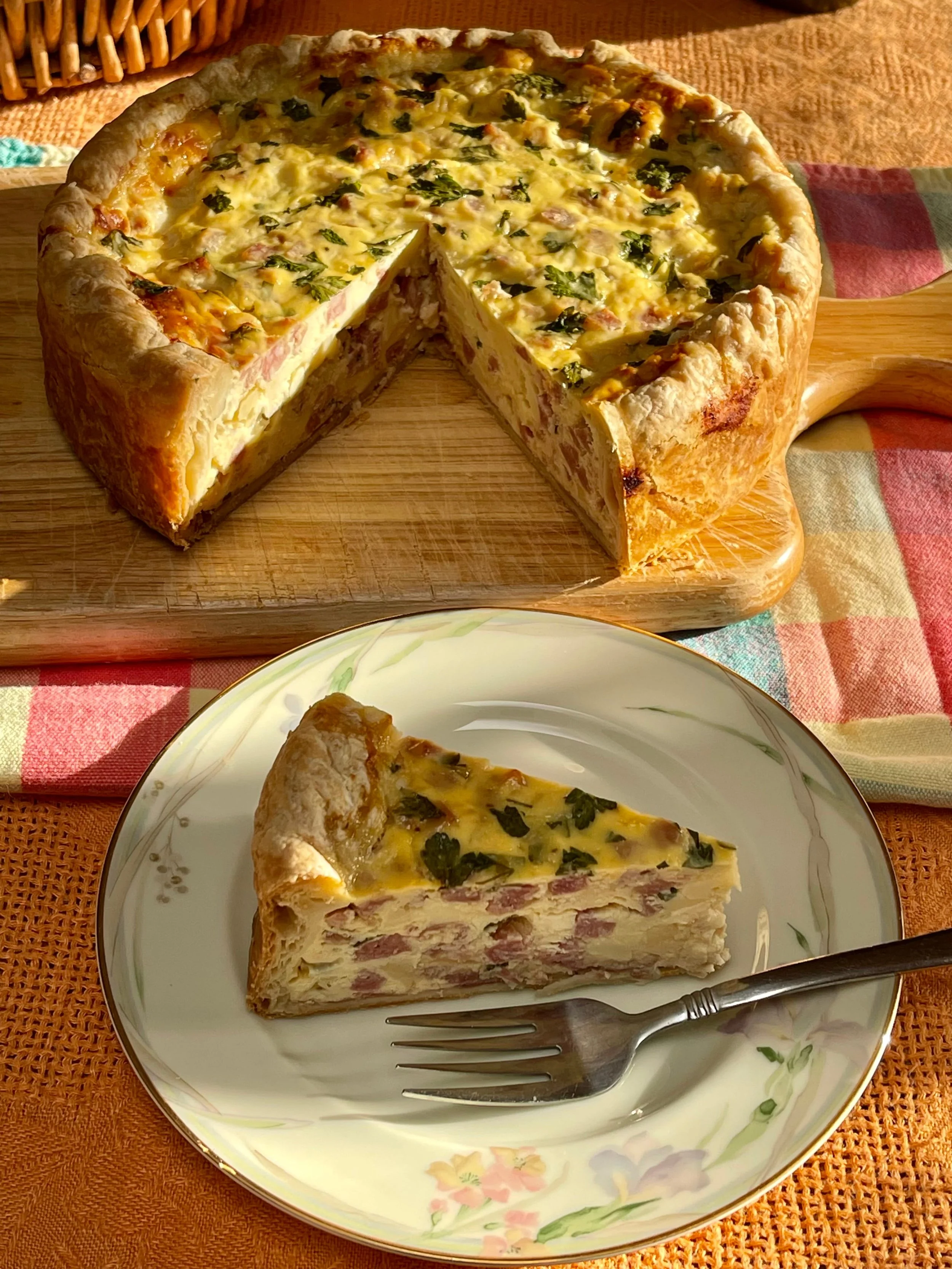
Serving Temperature
Pizzagaina is delicious served cold, straight from the fridge, or at room temperature. I prefer serving this dish one of these ways.
But if you prefer it warm, you can gently reheat individual slices in the oven at 350°F (175°C) for about 10 minutes or until warmed through.
When to Serve
Traditionally, Pizza Rustica is served on Easter Sunday, often as part of a large celebratory brunch or as an appetizer before the main meal.
However, I think this pie is so amazing, it’s crazy to make it and eat it only at Easter. As a result, I make it a few times a year.
Once I’ve made it, I find it a great way to start the day. So, although Pizzagaina is not a typical Italian breakfast food, I sometimes serve it as the morning meal.
I find Pizzagaina to be similar to a French quiche (which is not a French breakfast food), a delicious dish that’s a wonderful choice for any occasion. This includes being a uniquely delicious addition to any marvelous brunch spread.
I’m also perfectly comfortable pairing Pizza Rustica with a simple salad for a satisfying lunch, or enjoying it as a far-from-cookie-cutter dinner entrée.
The important thing is to share it. There is an old Italian saying: “La condivisione del cibo è un momento sacro”—“The sharing of food is a sacred moment.”
What to Serve With It
When my family serves Pizzagaina as an Easter appetizer, the table is filled with sides you might find on an antipasto platter, like marinated artichoke hearts, caponata, and olives.
Because the pie itself is so rich and flavorful, when serving it as a meal, it pairs best with simple, fresh sides. A light green salad with a sharp vinaigrette is a perfect complement.
Other great options include roasted asparagus, sautéed greens, or marinated vegetable skewers.
Make Ahead
Making your Italian Easter Meat Pie the day before serving is highly recommended. It will slice much better cold, straight from the fridge. If you don’t have a container large enough for your pie, wrap it in plastic wrap or aluminum foil and store in the refrigerator.
Leftovers
Store any leftover Pizza Rustica tightly wrapped in plastic wrap or in an airtight container in the refrigerator. It will keep well for up to 5 days.
More Easter Recipes
Torta Pasqualina
Italian Easter Desserts
Easter Rocky Road Candy
More Recipes from Nonna
Authentic Marinara Sauce
Bolognese Sauce
Italian Meatballs
Frittata di Zucchini
Zucchini Flower Fritters
Buona Pasqua!