
20 Italian Food Traditions for a Cultural Journey
Understanding Italy’s food culture means looking beyond the internationally renowned ingredients and delicious dishes.
It also entails recognizing the Italian culinary traditions that have been passed down through generations. And although I grew up in New York, I am lucky to have experienced many of these cultural influences firsthand with my Italian grandparents and great-grandparents.
From saints days and festivals to holidays and family gatherings, Italy’s culinary heritage is woven into the fabric of the country’s daily life. These Italy food traditions are a beautiful expression of history, community, and the joy of sharing a meal.
Italian Food Traditions
Regional food is at the heart of Italian culture. Whether it’s Neapolitan pizza, Sicilian caponata, or Genovese pesto, traditional Italian cuisine is based on using seasonal local ingredients. It’s not a farm-to-table fad—it’s at the very core of how it’s always been.
1. The Feast of the Seven Fishes (La Vigilia)
Growing up, my favorite day of the year was always Christmas Eve. Our entire extended family crammed into my great-grandmother’s tiny house in Brooklyn and celebrated the Feast of the Seven Fishes, one of the most famous rituals of Italian food culture.
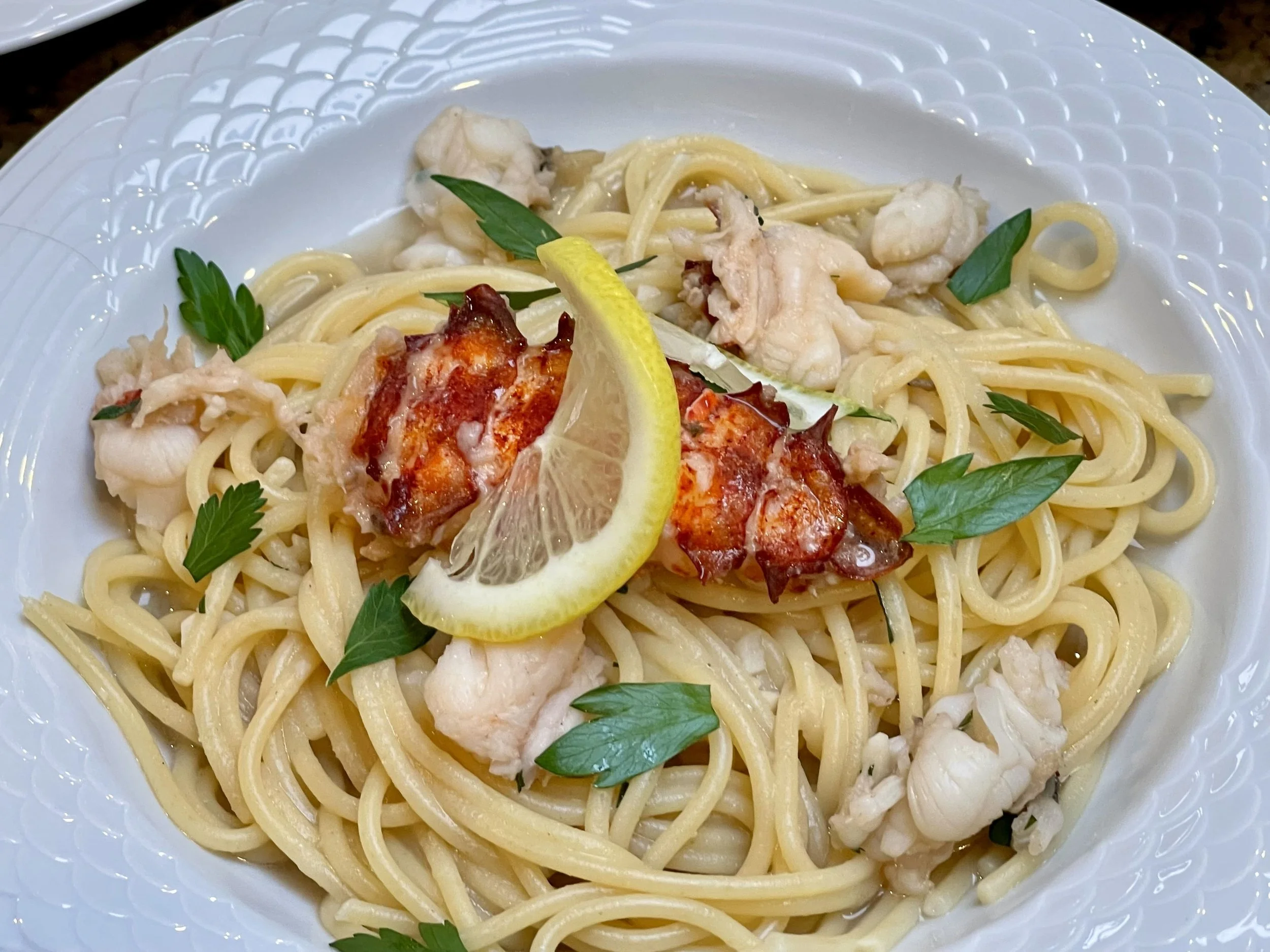
One of my favorite family dishes for Christmas Eve, lobster pasta
La Vigilia di Natale involves abstaining from meat before the Christmas Day feast. Instead, the table is filled with an elaborate spread of at least seven different seafood dishes. This southern Italian custom highlights the region’s strong connection to the Mediterranean Sea.
The number seven is significant, possibly representing the seven sacraments of the Catholic faith, the seven days of creation, or the seven virtues. While the exact dishes vary by family, you might find baccalà (salted cod), fried calamari, shrimp risotto, and seafood pasta.
Try this decadently delicious lobster pasta recipe for Christmas Eve or any special occasion.
Italian Food Fact: Italians don’t put parmesan cheese on seafood dishes.
2. Sunday Family Lunch (Pranzo della Domenica)
In every region of Italy, Sundays are like special occasions. It is a day reserved for family, and the centerpiece of the day is the pranzo della domenica, or Sunday lunch/dinner. This is not a quick meal; it is a leisurely, multi-course affair.
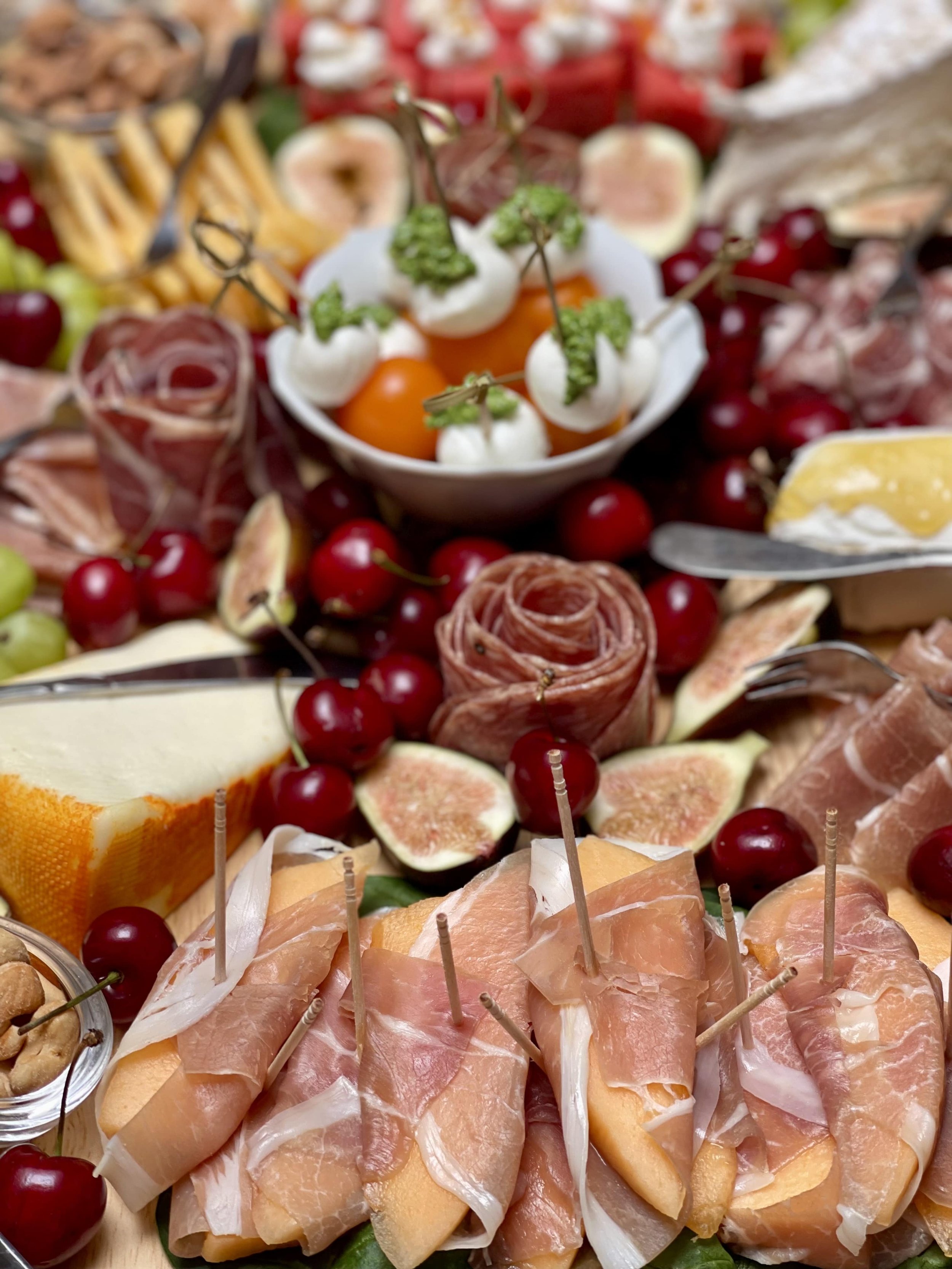
A typical antipasti platter for an Italian Sunday lunch
The first time my husband met my grandparents, we had Sunday lunch at their home in Queens, NY. For 8 hours we consumed amazing plates of authentic Italian food. Mike was in heaven! But this isn’t a tradition just within my family, it’s a countrywide custom in Italy.
The typical Sunday family dinner starts with antipasti like parmigiano reggiano topped with balsamic vinegar, salumi, fresh mozzarella cheese, and olives. Then comes a pasta course (il primo) that varies by region.
The main course (il secondo) is a meat or fish course with side dishes (contorni) like fresh vegetables and potatoes. Finally come the fresh or dried fruit, nuts, and dessert (dolce).
Each family has its own specialties and recipes. My nonna often made manicotti with fresh pasta, Milanese steak for the second course, and the best meatballs in the world. I learned so many of her recipes, and Sunday lunches are one of my most cherished Italian food traditions.
Make my nonna’s Marinara Sauce and/or Bolognese Recipe! (Although I’ll confess that the amazing quality of these dishes made with my nonna’s hands and heart ruined Italian restaurants for me in the United States for years. But . . . you should still take the risk and make them.)
3. The Art of the Aperitivo
The aperitivo is a beloved pre-dinner ritual, especially popular in Northern Italy but enjoyed nationwide. More than just a happy hour, the aperitivo is a social institution. Friends gather after work to relax and socialize over food and drinks.

Some of our free aperitivo snacks in Salerno
From the Latin term aperire, meaning “to open,” an aperitivo is designed to “open” the stomach before dinner. It involves a light alcoholic drink, such as an Aperol Spritz or a glass of prosecco, served with small snacks (often free of charge). Popular dishes range from simple olives and chips to more elaborate buffets of Italian cheeses, cured meats, and small sandwiches.
The first time we received a plate of frittata di pasta and pizza bites with our Negronis in Italy, I thought we were special. Then I realized that it was the custom to serve a free snack with drinks—all part of the Italian culinary heritage of savoring life’s simple pleasures. And quite frankly, it still makes me feel special—or at least lucky—whenever I’m indulging in the hospitality of an Italian aperitivo.
Learn more about Aperitivo in Milano.
4. The Feast of St. Joseph (Festa di San Giuseppe)
The Feast of St. Joseph (March 19) is a major Catholic holiday in Italy honoring San Giuseppe, the husband of Mary, the mother of Jesus. In Italy, the day is also widely celebrated as Father’s Day (La Festa del Papà).
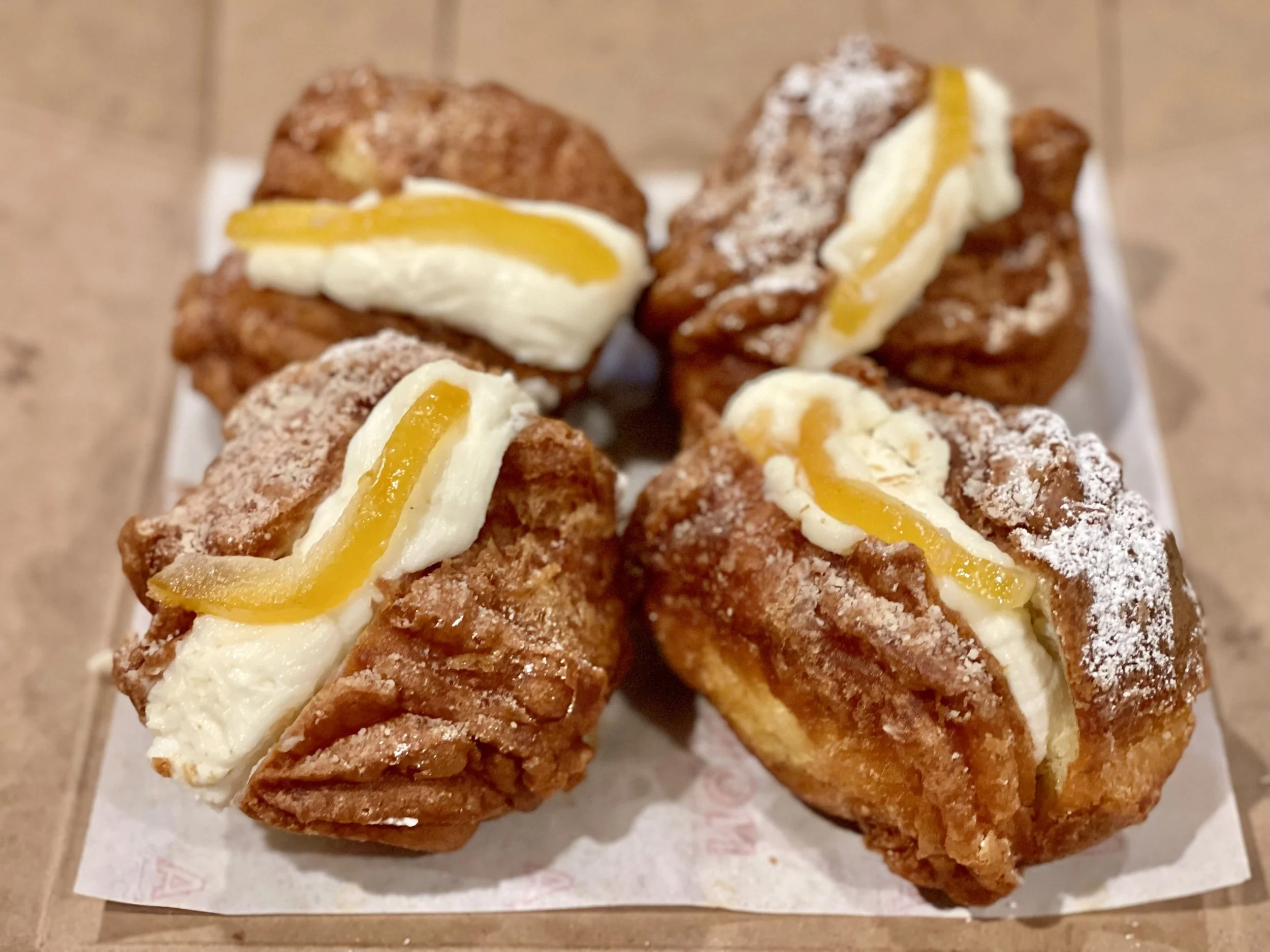
Traditional sfinge di San Giuseppe
The Feast of St. Joseph holds special significance in Sicily. Legend says that during a severe famine in the Middle Ages, the people prayed to St. Joseph, their patron saint, for rain. When the rains came and saved the crops, grateful Sicilians prepared a large banquet in San Giuseppe’s honor.
The “St. Joseph's Table” is a meat-free spread, as the holiday falls during Lent. It is loaded with symbolic foods like fava beans (the crop that saved the people), ornate breads shaped into crosses or carpenter’s tools (Joseph is the patron saint of carpenters), and pastries.
Depending on the location, the dessert of the day is zeppole di San Giuseppe (in Campania and southern Italy), or sfinge di San Giuseppe (Sicily). Both are essentially the same amazing cream-filled pastry, and the reason I still look forward to March 19th every year!
5. Santa Lucia Day (Giorno di Santa Lucia)
Santa Lucia is associated with bringing light during the darkest time of the year, providing charity to the poor, and protecting children. In addition to protecting the young, she also brings gifts to good children on her saint’s day (December 13th), similar to St. Nicholas or Santa Claus.
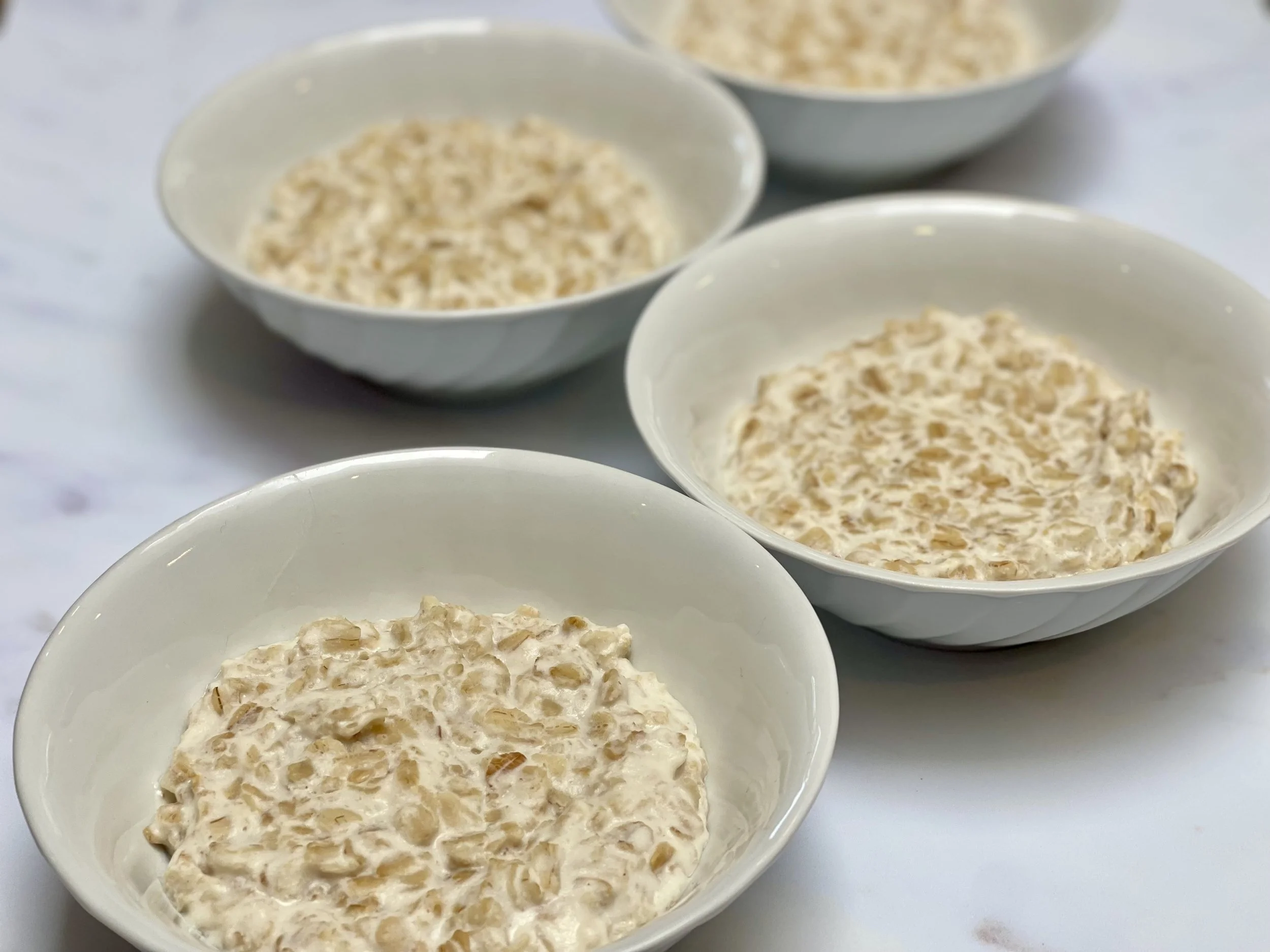
My ricotta oatmeal is inspired by cuccìa.
Italian legend has it that a great famine was ended on Santa Lucia Day when ships full of wheat arrived. To honor this miracle, Italians eat dishes made from other grains on this saint’s day and abstain from bread and pasta.
My family followed this food tradition as many Italians do, with cuccìa, a sweet and savory porridge made from whole winter wheat berries. It was this particular dish that inspired my ricotta oatmeal recipe.
In Sicily, this is also a day to enjoy arancini (fried rice balls) and panelle (chickpea fritters).
6. Panettone Christmas Custom
No Italian Christmas is complete without panettone. This tall, dome-shaped, sweet bread loaf, studded with candied fruits and raisins, originated in Milan during the 15th century.
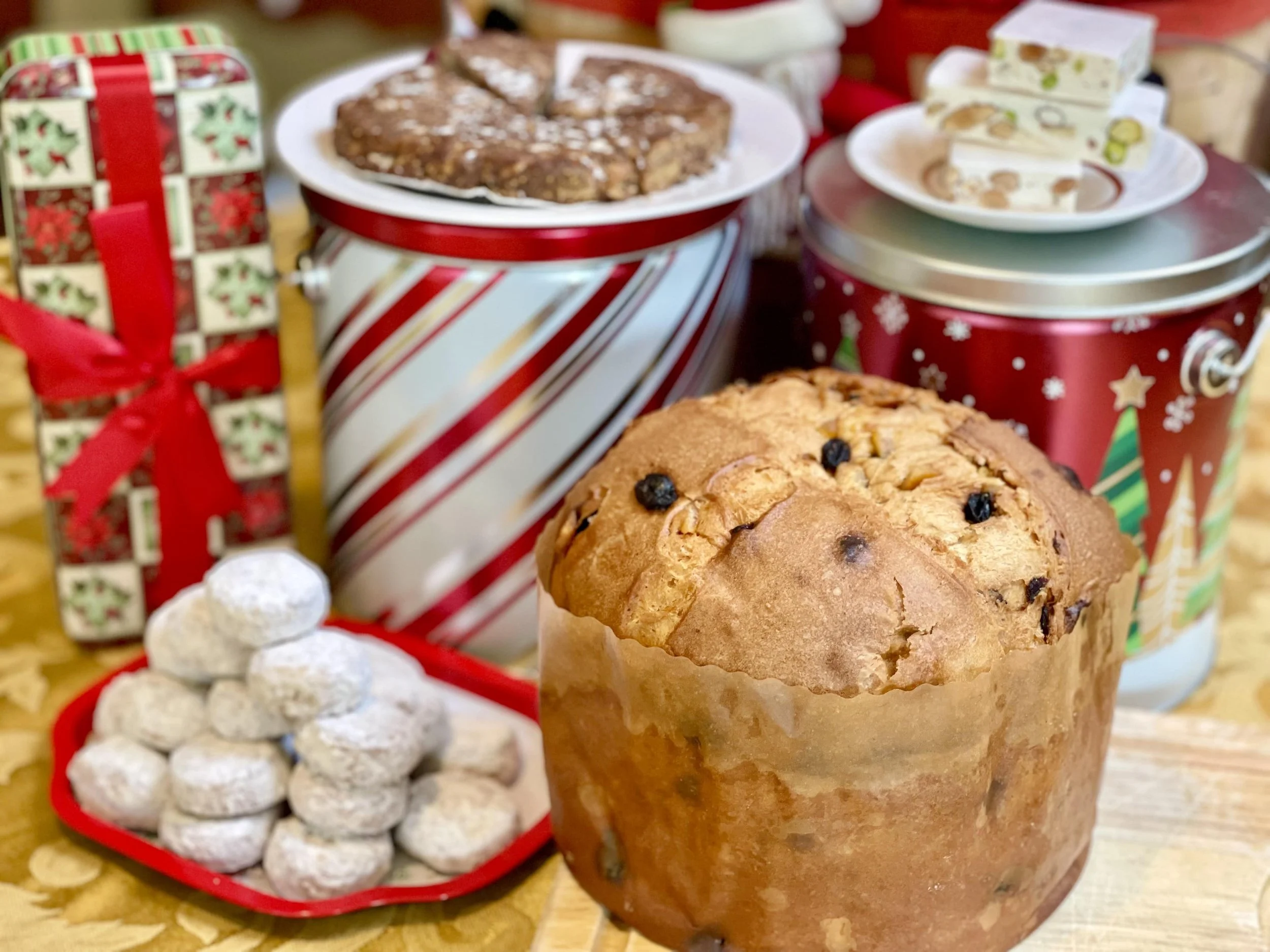
Panettone and other traditional Italian Christmas desserts
Today, it is a national symbol of the holidays, and its popularity has spread to all parts of Italy and beyond. My family eats panettone every Christmas morning, but in Italy it is usually a dessert.
The Italian tradition involves sharing slices of panettone with family and friends throughout the Christmas season. Often enjoyed with a glass of sweet sparkling wine like Asti Spumante, panettone represents the shared joy and sweetness of the holidays.
Check out my recipes for Italian Christmas Desserts and Italian Christmas Cookies.
7. Ferragosto Feasts
Ferragosto is a beloved Italian holiday celebrated on August 15th, marking the height of summer and offering a day of rest, festivity, and indulgence.
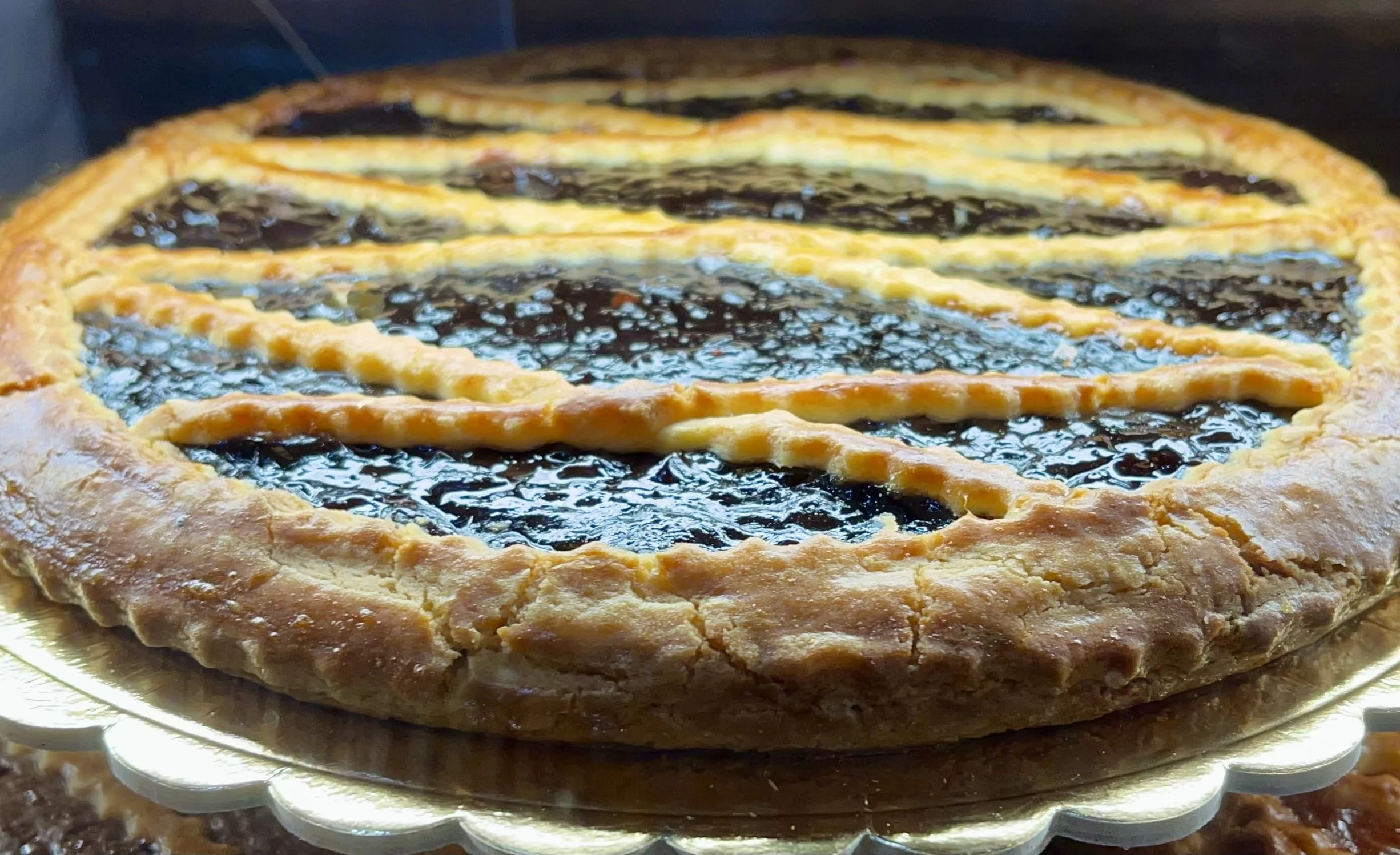
A traditional crostata with black cherries for Ferragosto
Its origins date back to ancient Rome, when Emperor Augustus established the Feriae Augusti in 18 BCE. Suffice it to say, the tradition has grown since the times of the Roman Empire. Today, the day is marked by festivals, parades, fireworks, and communal gatherings.
Food plays a central role in Ferragosto festivities, as it does in most Italian traditions. The holiday is an opportunity to indulge in seasonal dishes and regional specialties.
Fresh seafood like mussels and clams, grilled meat dishes, and cold pasta dishes are common staples of Ferragosto feasts. Seasonal fresh fruit and crostata (fruit tart) are popular choices with which to end the meal on a sweet note.
8. Celebrating with Confetti (Sugared Almonds)
In my New York Italian family, no one had a wedding without sugared almonds as party favors. But it took me years to figure out why.
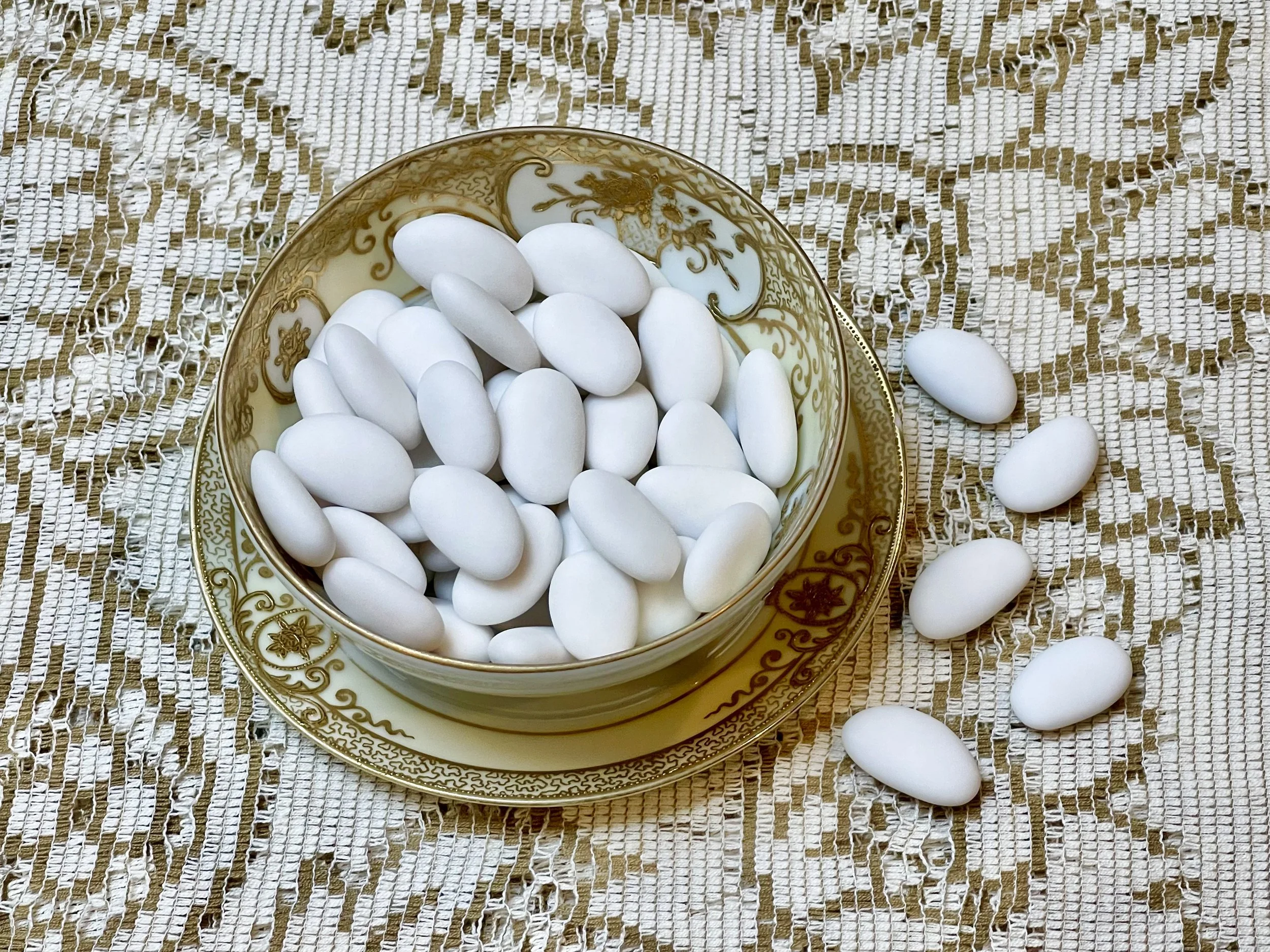
White Italian confetti, aka sugared almonds, are the custom to celebrate weddings.
In Italy, “confetti” are not small pieces of paper but sugar-coated almonds. They are an essential part of major life celebrations like weddings, baptisms, and graduations.
The color of the sugar coating is symbolic: white for weddings, pink or blue for baptisms, and red for graduations.
This custom is not about yummy candies (although these almonds are more than just OK). It’s a rich culinary tradition meant to bestow good fortune on celebrants. Giving five almonds represents five wishes for the couple or person being celebrated: health, wealth, happiness, fertility, and longevity.
9. Regional Pastas and Sauces
While pasta is a staple of the national diet, pasta shapes and sauces are fiercely regional. And, only certain pastas are served with certain sauces. Honoring these specific pairings is a tradition that locals take very seriously. Here are some examples:
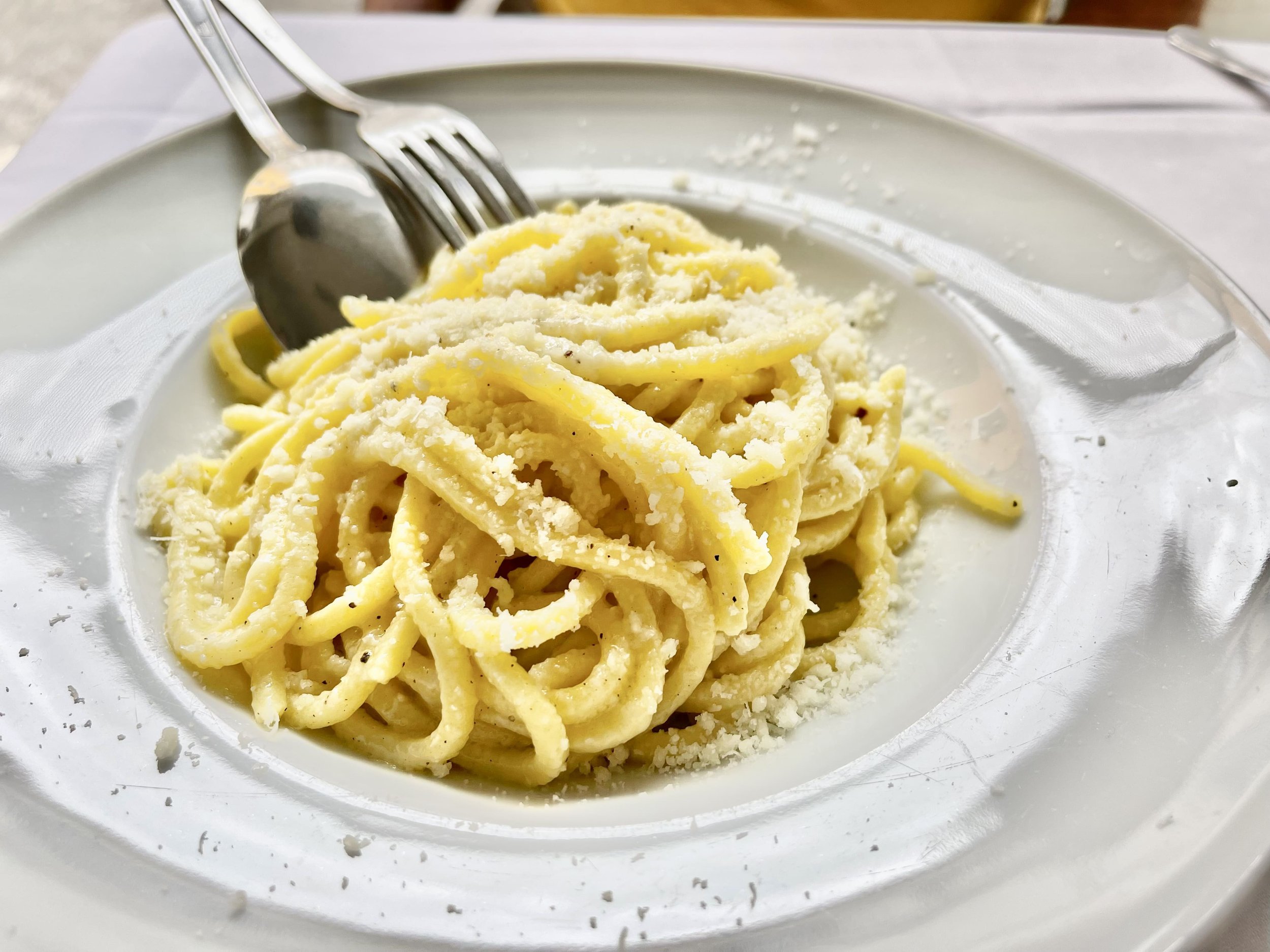
Cacio e pepe, one of the four traditional pastas of Rome
You won’t find Spaghetti Bolognese in Bologna—they serve their famous meat sauce with tagliatelle. (Learn more about the famous dishes of Bologna.)
In Puglia, the regional pasta called orecchiette (“little ears”) are most often served with broccoli rabe or turnip greens.
In Liguria, you’ll find trofie pasta served with the number one sauce of the region: pesto. (Make amazing homemade pesto sauce!)
Italian chefs in Rome have slightly more flexibility with the four classic pasta dishes of the Eternal City. Carbonara may feature spaghetti or rigatoni, amatriciana will have spaghetti, bucatini, or rigatoni, cacio e pepe uses tonnarelli or bucatini, and pasta alla gricia will comprise spaghetti or rigatoni. (Read more about Roman cuisine.)
10. New Year’s Eve Cotechino and Lentils
Across Italy, New Year’s Eve (La Vigilia di Capodanno) is marked by eating cotechino—a rich pork sausage—alongside lentils. The round shape of lentils symbolizes coins and is believed to bring prosperity for the coming year.
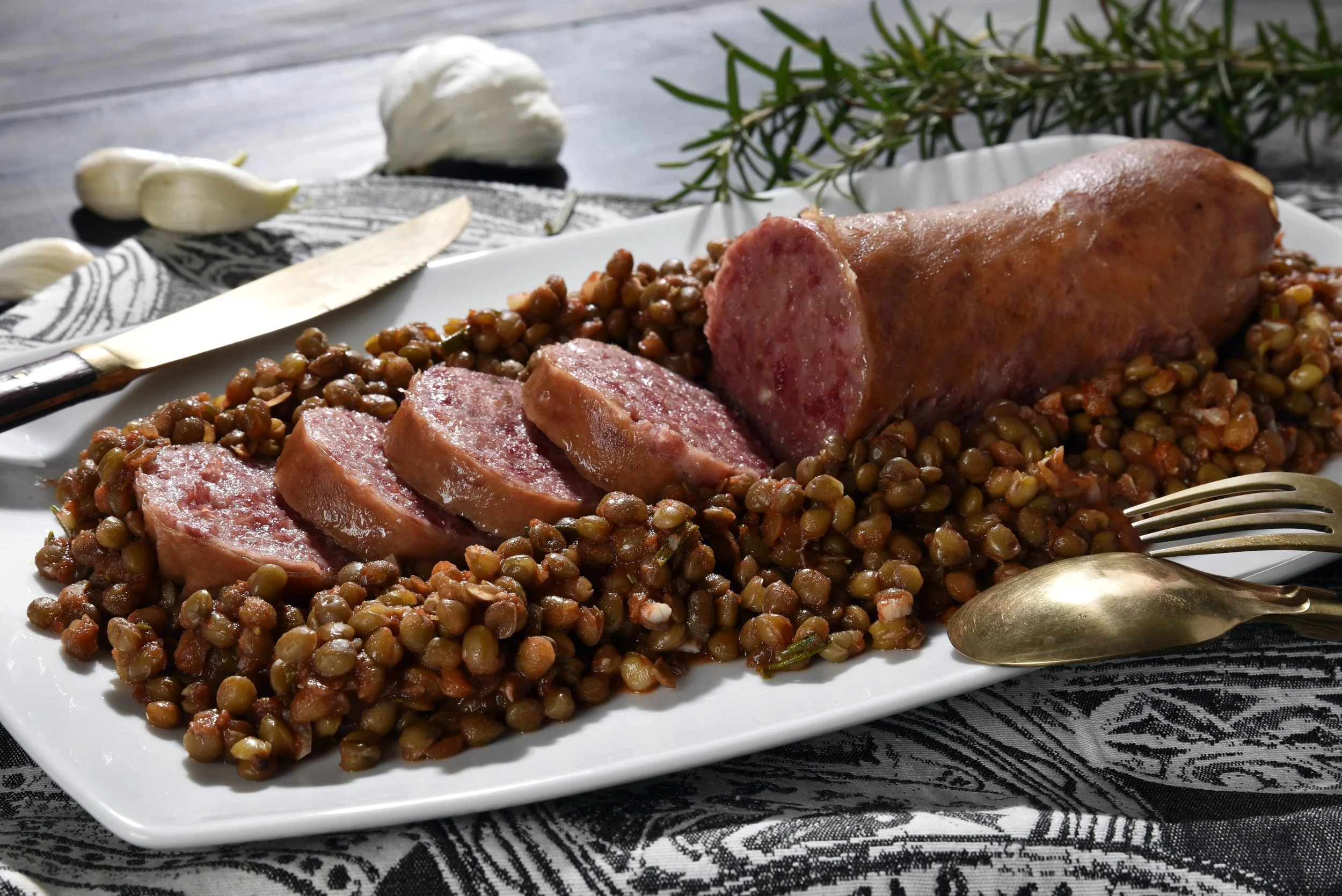
Cotechino and lentils for New Year’s Eve
This savory meal, especially popular in the Emilia-Romagna region, has become a nationwide tradition enjoyed at midnight gatherings and family feasts with a glass of bubbly.
In addition to the typical Italian meal for New Year’s Eve, I thought I’d mention many Italians believe in wearing red underwear on this day for good luck.
11. La Befana (Feast of the Epiphany)
Italy’s holiday season doesn’t really end on New Year’s; it ends on January 6th with the Epiphany, considered the last day of Christmas!
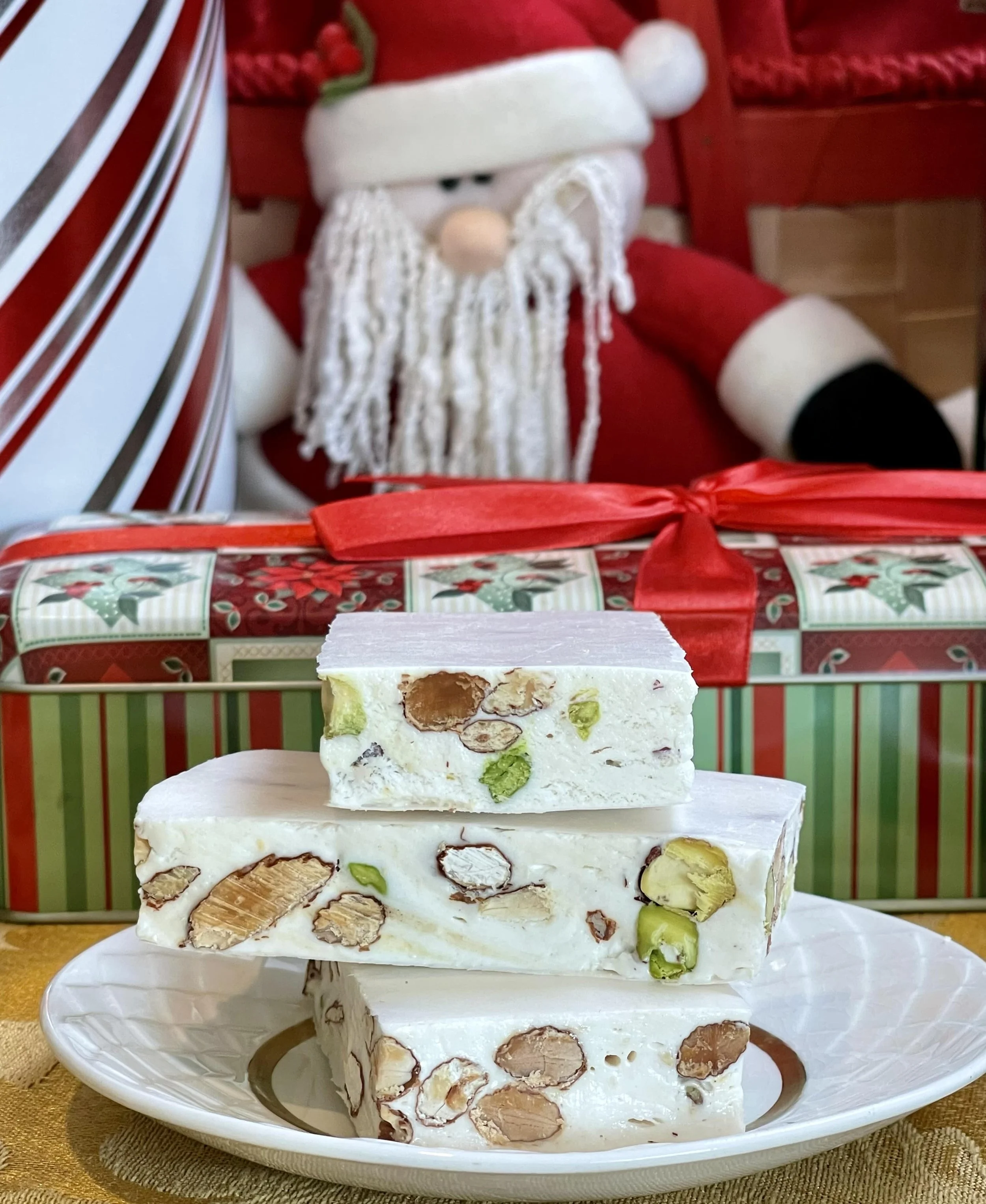
Torrone with pistachios and almonds, my favorite!
On this day, Italians celebrate the folklore of La Befana, the kindly old woman (sometimes called a witch) who delivers gifts to children. Much like a more-food-focused Santa Claus, she rewards good kids with sweets—although she provides nothing but coal for the naughty ones.
Popular desserts for the Feast of the Epiphany include Pane della Befana (a sweet bread shaped like a wreath or a doll), Torrone (a nougat candy), Focaccia della Befana (candied fruit brioche), Biscotti Befanini (citrus shortbread cookies), and Pinza (a cornmeal cake with fruits and nuts).
12. Carnevale
Like Mardi Gras in New Orleans, Carnevale is celebrated right before Lent throughout Italy with elaborate masks, parades, and decadent foods.
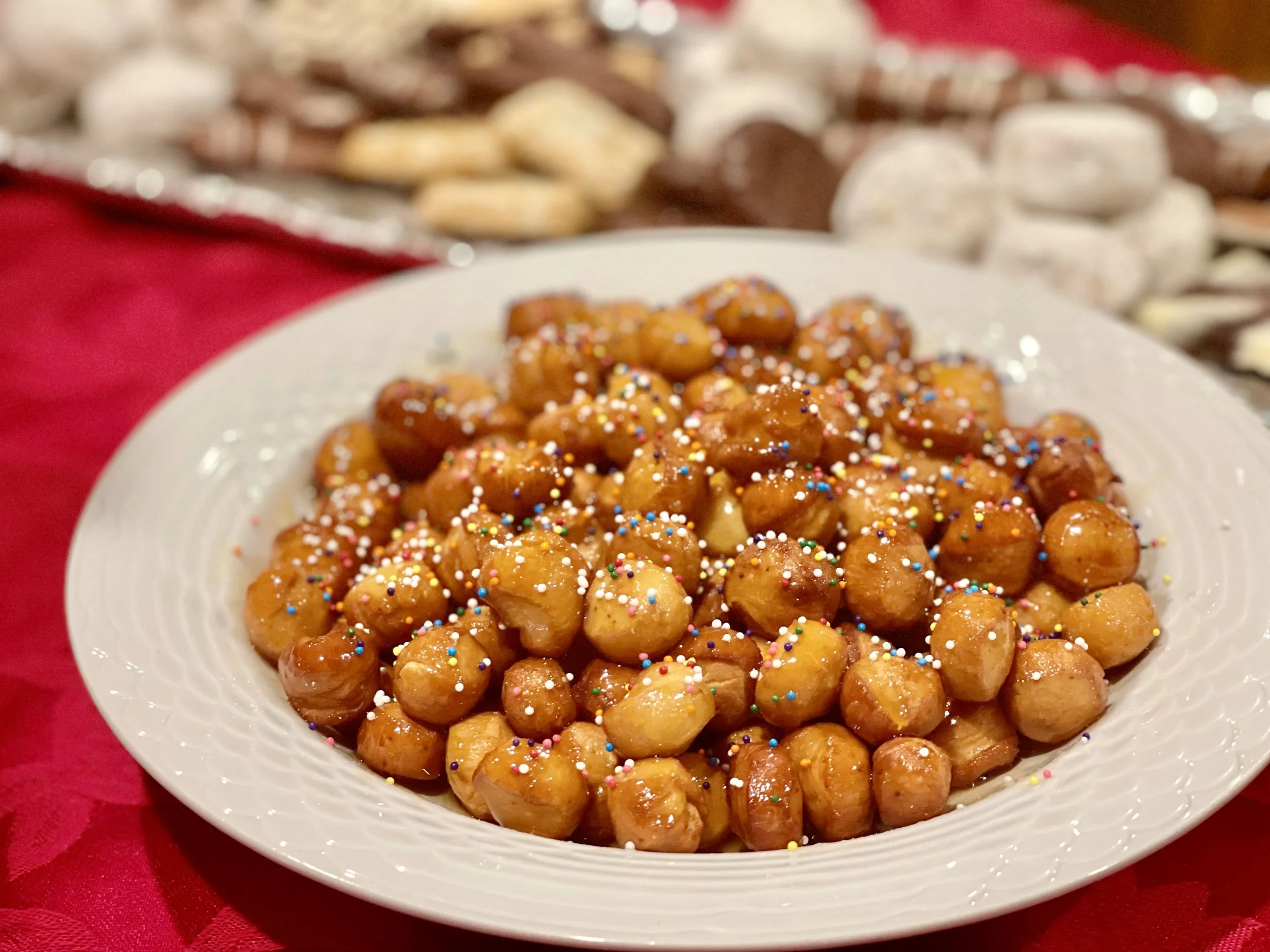
In Campania, struffoli are part of Carnevale celebrations.
Chiacchiere (fried pastry strips dusted with powdered sugar) and frittelle (sweet fritters) are commonly enjoyed across the country. In Naples, there will always be Migliaccio Napoletano (citrus ricotta cake).
Since my nonna’s family came from Campania where struffoli (fried dough balls) were the local tradition, that’s what we always made. On the savory side, rich Lasagna di Carnevale with ricotta, meatballs, and sausage was our go-to.
13. All Souls’ Day Foods (Giorno dei Morti)
Similar to the traditions practiced on the Mexican Day of the Dead, on November 2nd, Italians observe All Souls’ Day by honoring deceased loved ones with special foods, traditional dishes, and a seat at the dinner table.

Seasonal pumpkin soup for All Souls’ Day
Throughout Italy, bakeries prepare fave dei morti (“beans of the dead” almond cookies), ossa dei morti (“bones of the dead” crunchy biscuits), pan dei morti (“bread of the dead”), and other regional specialties.
Savory dishes center around autumnal ingredients like pumpkin, chickpeas, and cabbage.
14. Gnocchi Giovedì (Gnocchi Thursday)
“Gnocchi Thursday” is a more modern weekly tradition in Rome and other parts of Central Italy that originated when food was scarce after WWII.
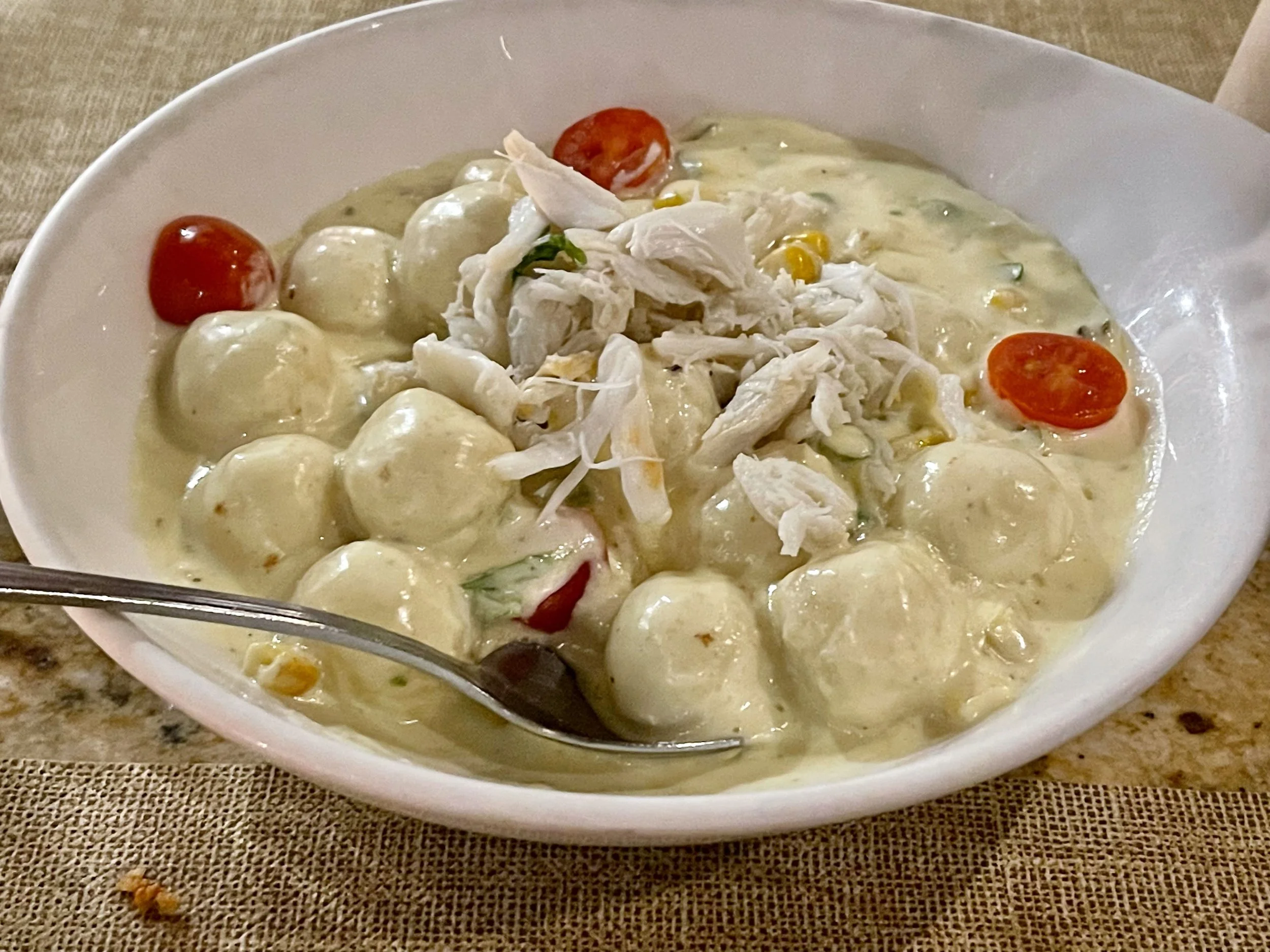
Celebrating the relatively new Roman tradition of Gnocchi Giovedì
On Thursdays, restaurants and home cooks alike prepare fresh gnocchi—soft potato dumplings. They can be dressed in a savory tomato sauce, creamy gorgonzola, or butter and sage.
This custom started as a way to eat a calorie-rich meal in order to prepare for the meatless fasting day on Friday.
Italians have a saying for their end-of-the-week culinary schedule, “Gnocchi on Thursday, fish on Friday, and tripe on Saturday.”
15. Easter Pies
Easter in Italy brings a wealth of culinary traditions, with sweet and savory pies being at the center of this holiday. As with many Italian foods, there are regional differences in the pies as well.
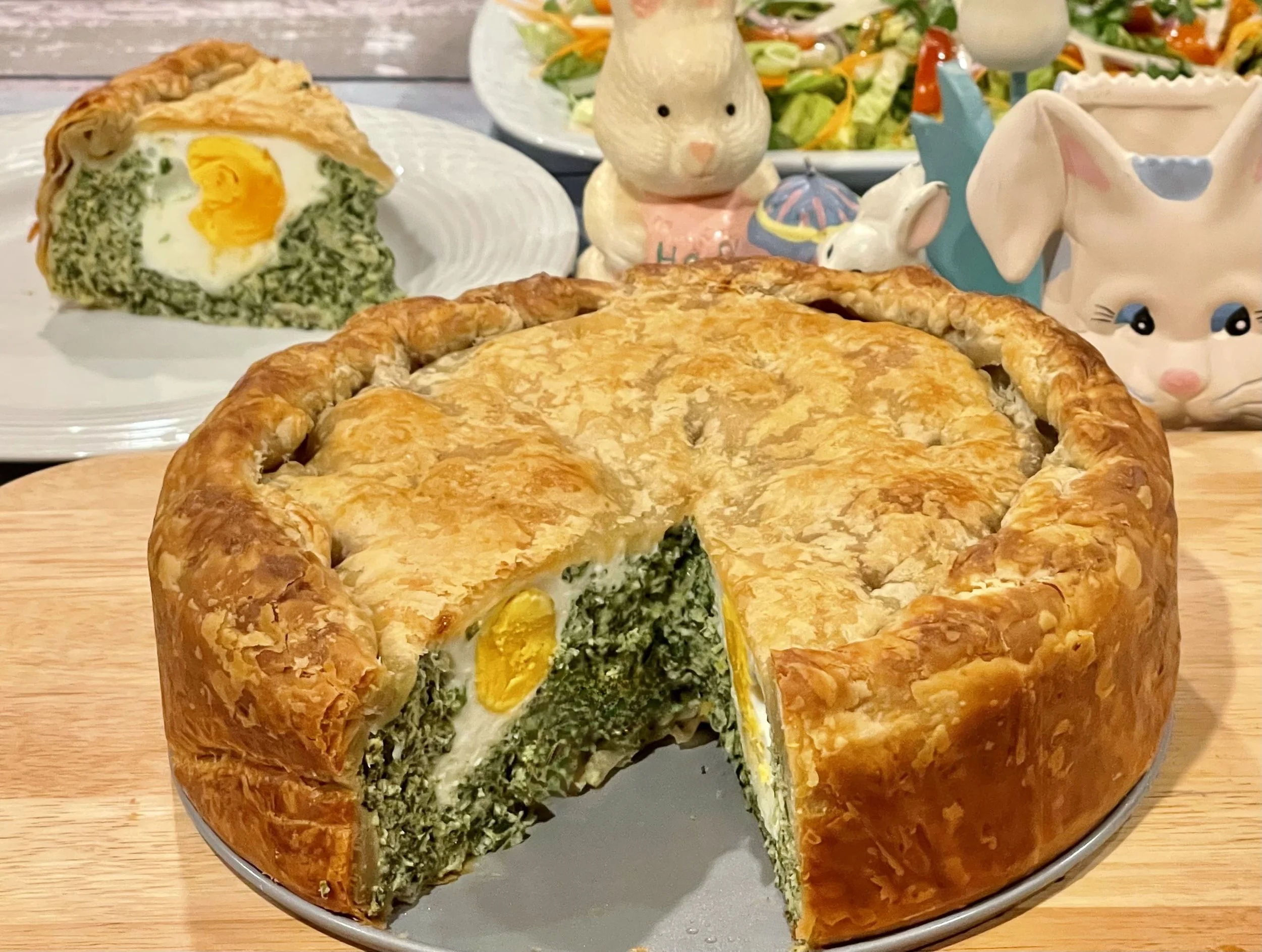
Torta Pasqualina, a traditional pie for Easter, shows whole eggs when sliced.
Torta Pasqualina from Liguria, filled with greens and ricotta, features symbolic whole eggs baked inside. (BTW, this is really fun to make!)
In central and southern Italy, pizza rustica (a dense pie packed with cheeses and cured meats) graces Easter tables. This was always my favorite Easter tradition, and now it’s my husband’s too.
Many of the Italian Easter dessert pies feature ricotta and orange flavors. Among these is the Pastiera Napoletana, the pie my nonna baked every year.
16. Pasquetta (Easter Monday Feasting)
The day after Easter is called Pasquetta, and Italians treat it like a national picnic day.
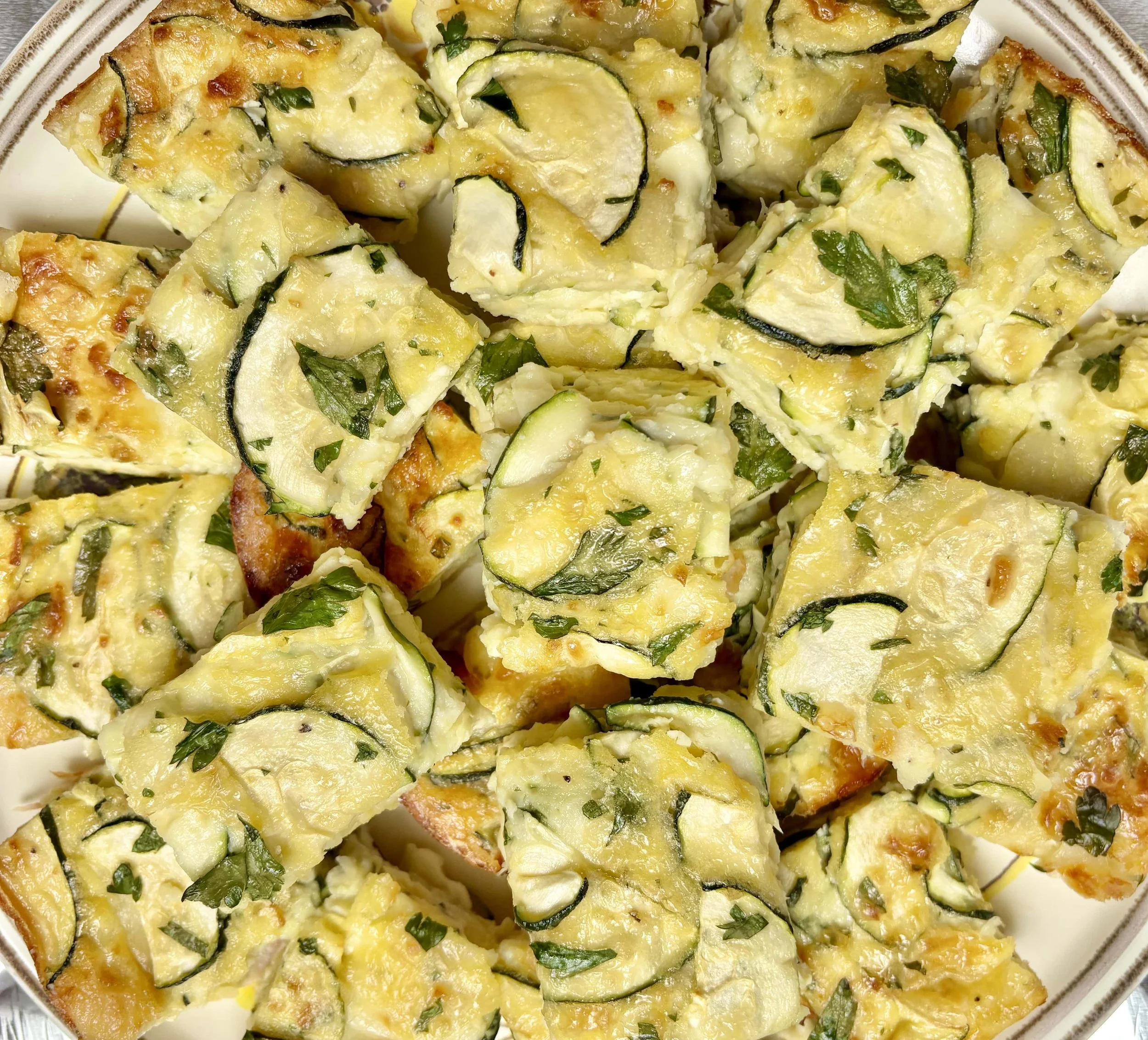
Frittata di zucchine made according to my nonna’s recipe
Typical Italian foods for Pasquetta include leftover Easter pies like pizza rustica, grilled meats with fresh herbs, frittatas, rustic breads, and fresh cheeses.
The emphasis is less on formality and more on enjoying the outdoors with friends and family. Pasquetta is a reminder that Italy food culture isn’t just about what’s on the plate—it’s about the importance of family, sunshine, and laughter.
17. La Vendemmia (Grape Harvest Feasts)
My great-grandfather had a wine press in his basement. He wasn’t a professional winemaker—he was an Italian. In Italy, if you have grapes, you make wine. And where there’s wine, there’s food.
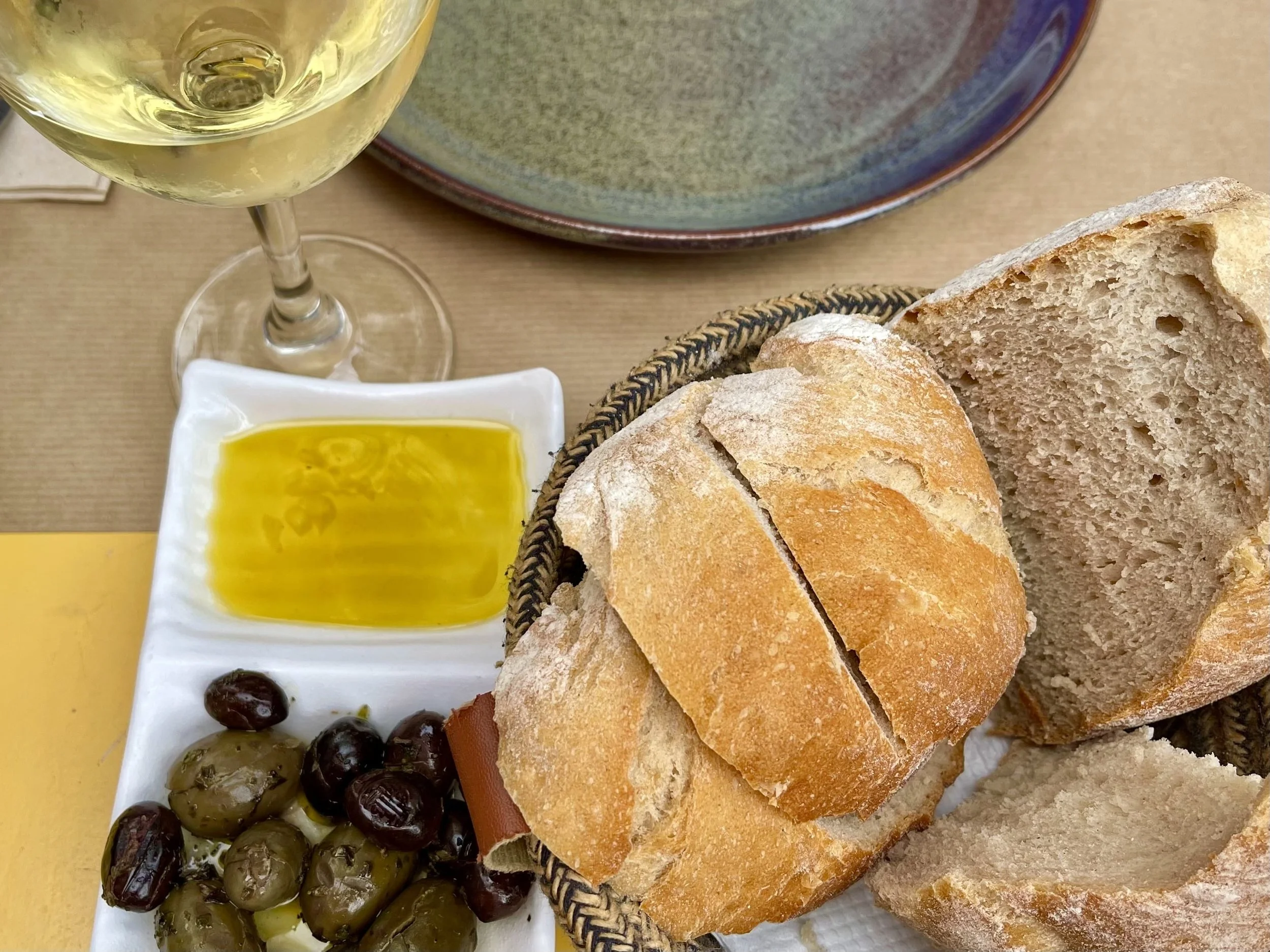
Celebrating the start of La Vendemmia with wine, bread, olives, and olive oil
La Vendemmia refers to the annual grape harvest, a pivotal event in Italy’s wine-producing regions, which include Tuscany, Piedmont, and Veneto among other locations.
From late August into October, communities come together for grape picking, wine making, and festive meals. The traditional foods enjoyed during the vendemmia are usually made with fresh ingredients grown on the estate. They often include fresh baked breads, cured meats, cheeses, salads made with fresh produce, and, of course, new wine.
An additional bonus: Some wineries also make their own incredible extra virgin olive oil.
18. Coffee Rituals (La Cultura del Caffè)
Coffee in Italy is more than a drink—it’s a daily ritual, with rules.
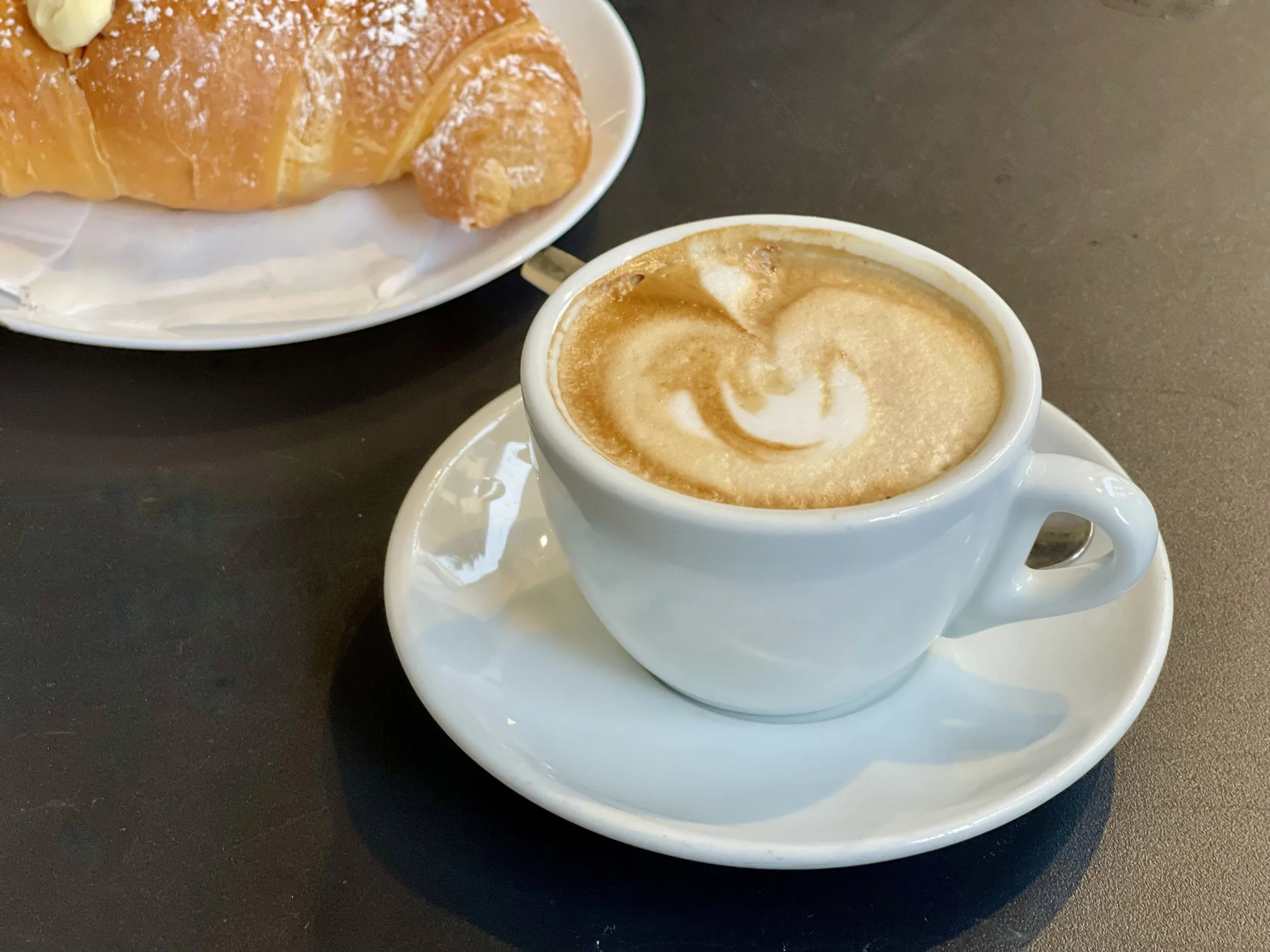
Cappuccino and cornetto team up for a typical Italian breakfast.
First of all, in Italy, if you generically order un caffè, “a coffee,” you’ll be served an espresso. This involves a tiny shot or two of deliciously brewed caffeine to get you going—forget about big to-go cups.
Second, morning coffees are enjoyed at the local bars (bars are different in Italy). Drink yours like the locals, standing at the bar with or without a breakfast pastry.
Third, milky coffee drinks like cappuccino are strictly a morning beverage. My husband learned this the hard way after ordering a cappuccino after dinner in Siena.
19. La Festa dei Lavoratori (Labor Day Tradition)
May 1st, Il Primo Maggio, is Labor Day in Italy. Italians throughout the country celebrate Labor Day with outdoor picnics and barbecues.
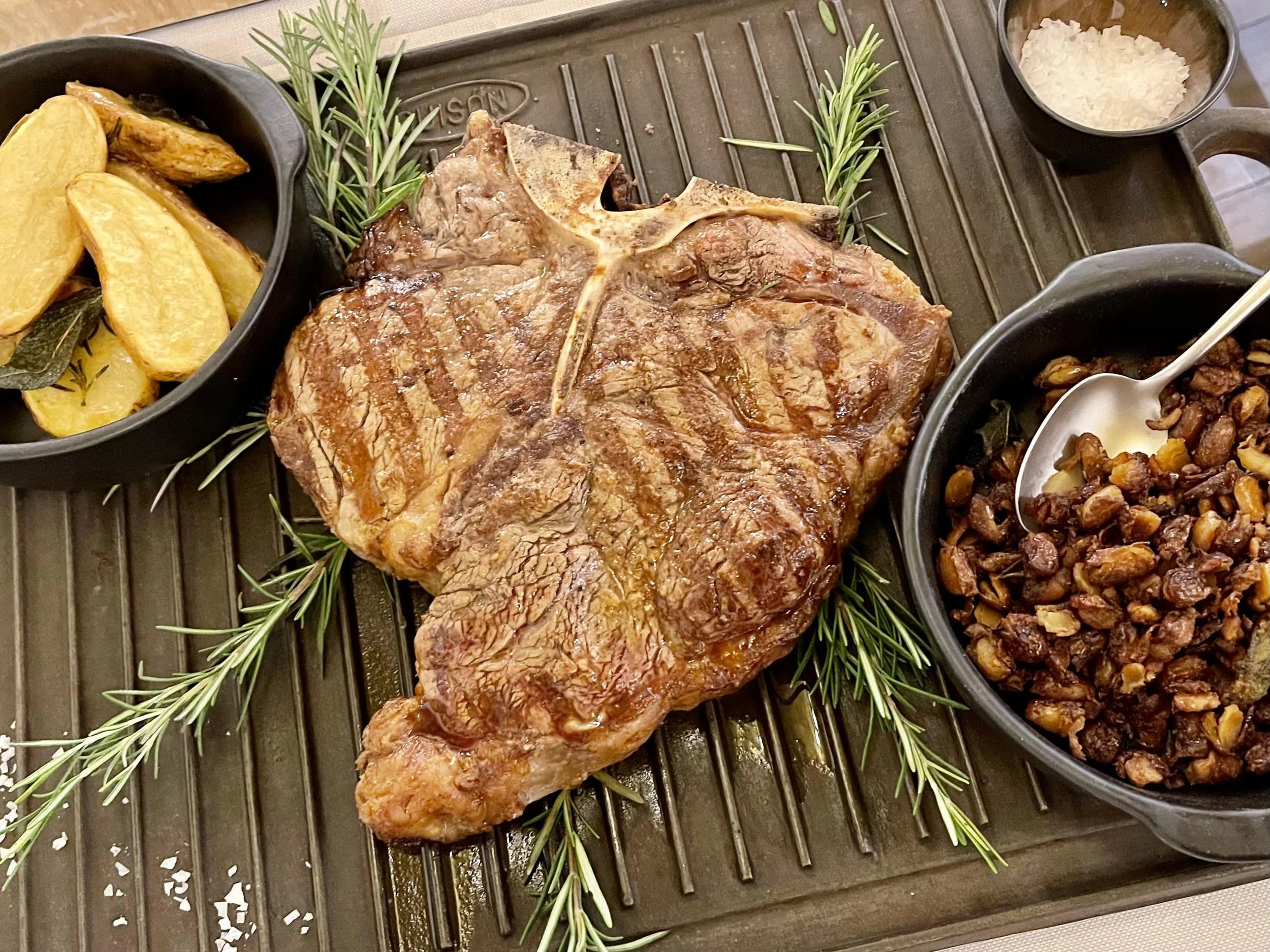
Grilling on Labor Day is an Italian tradition.
Typical foods include grilled meats, frittatas, seasonal vegetables, and one dish in particular: fava beans and pecorino cheese.
Whether in parks or out in the countryside, families and friends gather to enjoy the spring weather and honor workers’ rights, making it a cherished social and culinary tradition across Italy.
20. Chestnut Season (La Castagnata)
When autumn arrives, towns and villages across Italy—especially in mountainous regions like Tuscany and Piedmont—host La Castagnata, a festival dedicated to chestnuts.
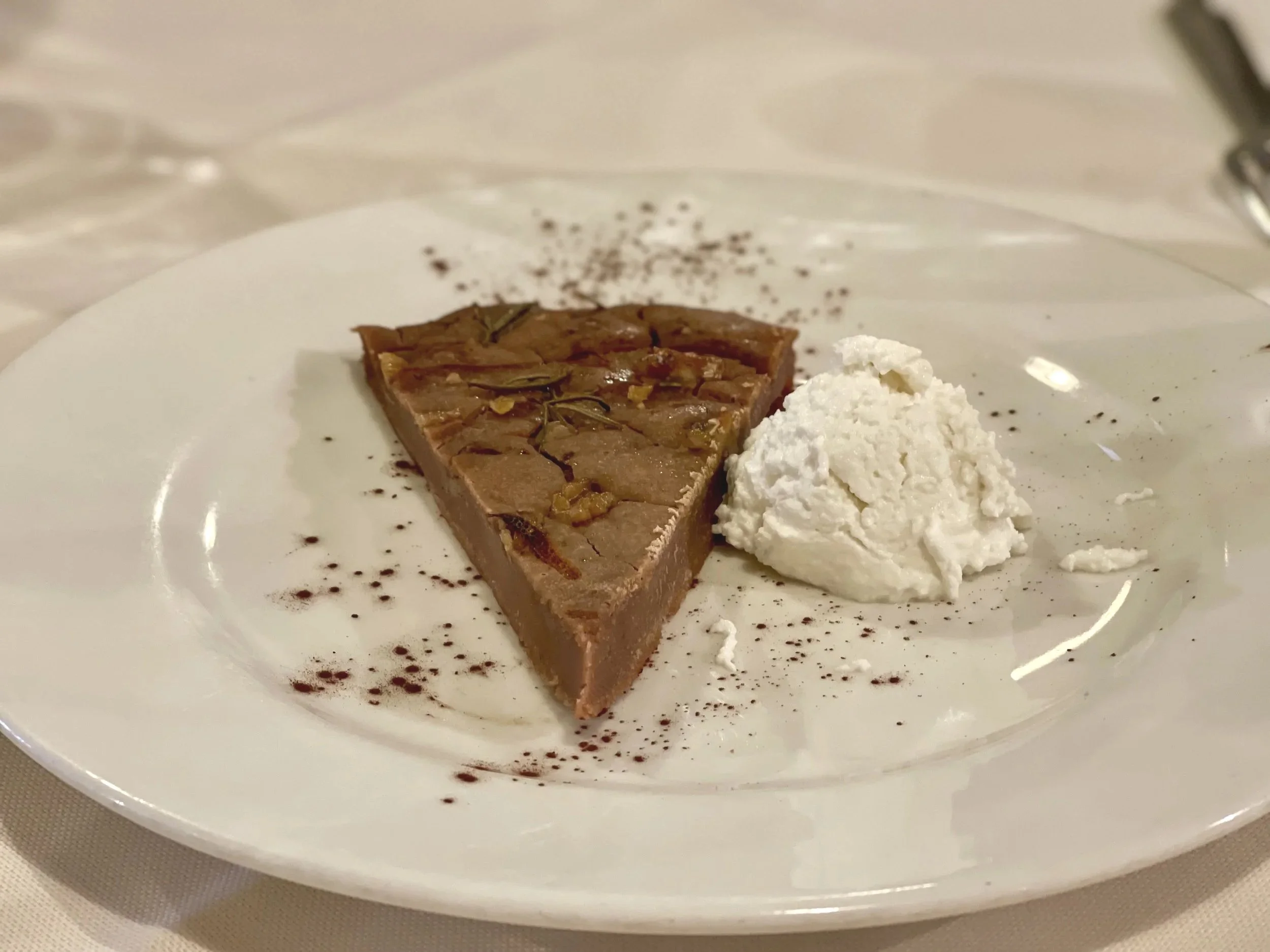
Throughout autumn, chestnut cake is plentiful in Lucca.
The cultivation of chestnuts dates back to 2000 B.C. Since then, chestnuts have become a culinary staple. They have even been called the “bread of the poor,” since the nuts can be made into flour to make breads.
In Tuscany, we found lots of castagnaccio, a chestnut cake hailing from Lucca.
Walking in busy cities during wintertime, you’ll both see roasted chestnuts and be engulfed by their aroma. They are a popular street food in Rome and Bologna.
Celebrating Italian Food Traditions
If you are a foodie visiting Italy, exploring regional Italian cuisines will no doubt be at the top of your list. But I hope you get to experience more than just Italian gastronomy.
Partaking in the traditional cultural customs makes eating in Italy even more special. Always be on the look out for saints days and food festivals: Italians seem to always be celebrating with food—join in!
Click below to Pin Italy Food Traditions!
Pin for Italian Traditions Food
Pin for Italy Food Traditions