
Stovetop Carne Asada Recipe: Just As Good As Grilled
Are you craving carne asada, but for whatever reason can’t or don’t want to grill? You’re in the right place! This stovetop carne asada recipe delivers all the bold, authentic flavors you love—right from your own kitchen.
Although I hate to admit it, sometimes even chefs take short cuts. I don’t always feel like firing up the grill (or cleaning it). So, I developed this easy recipe that tastes like the meat just came off the grill—even though it was made in my kitchen.
This quick stovetop cooking method is perfect for weeknight dinners, while still delivering the taste that’s special enough for entertaining. It’s one of my favorite Mexican recipes, and I hope it becomes one of yours too!
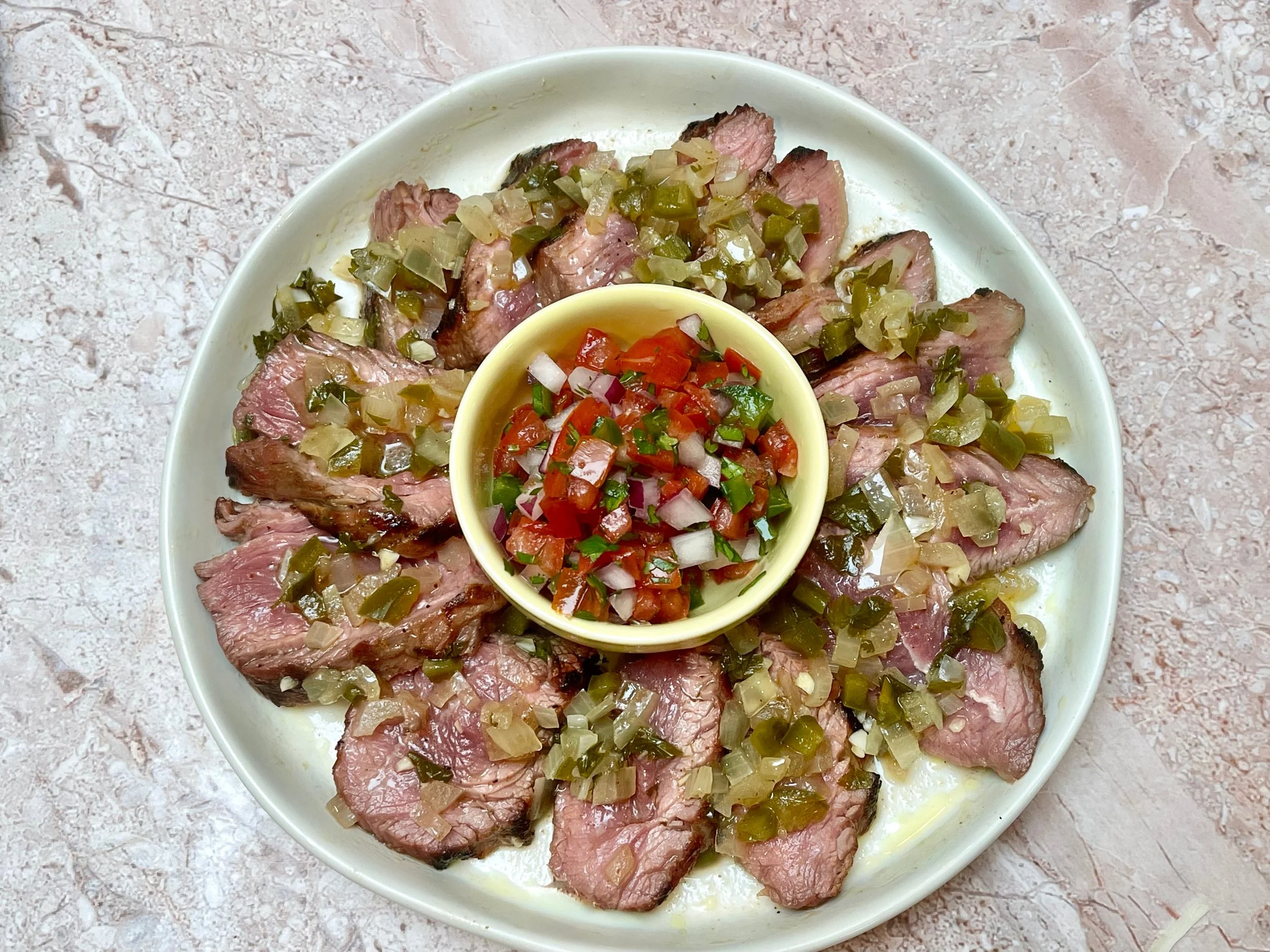
Authentic Carne Asada
Carne asada, which translates to “grilled meat,” is a traditional Mexican dish that dates back to the 1500’s. Thin cuts of beef—most commonly skirt or flank steak—are marinated in a flavorful mixture of citrus, garlic, and spices, then cooked over high heat.
Historically, carne asada was cooked over an open flame using a simple wood or charcoal fire, often on a rustic grill known as a parrilla. This method imparted a signature smoky flavor that’s still associated with the dish today.
In modern times, most home cooks and taqueros use charcoal grills or gas grills for convenience, though the essence of the preparation remains the same: high heat, quick cooking, and bold flavor.
This stovetop version recreates that same delicious char and depth using a hot skillet or grill pan—no outdoor grill is required.
Ingredients & Why They Matter
The magic of carne asada lies in its marinade and the cut of meat. The end goal is a uniquely flavorful, tender, juicy steak.
Why this marinade works
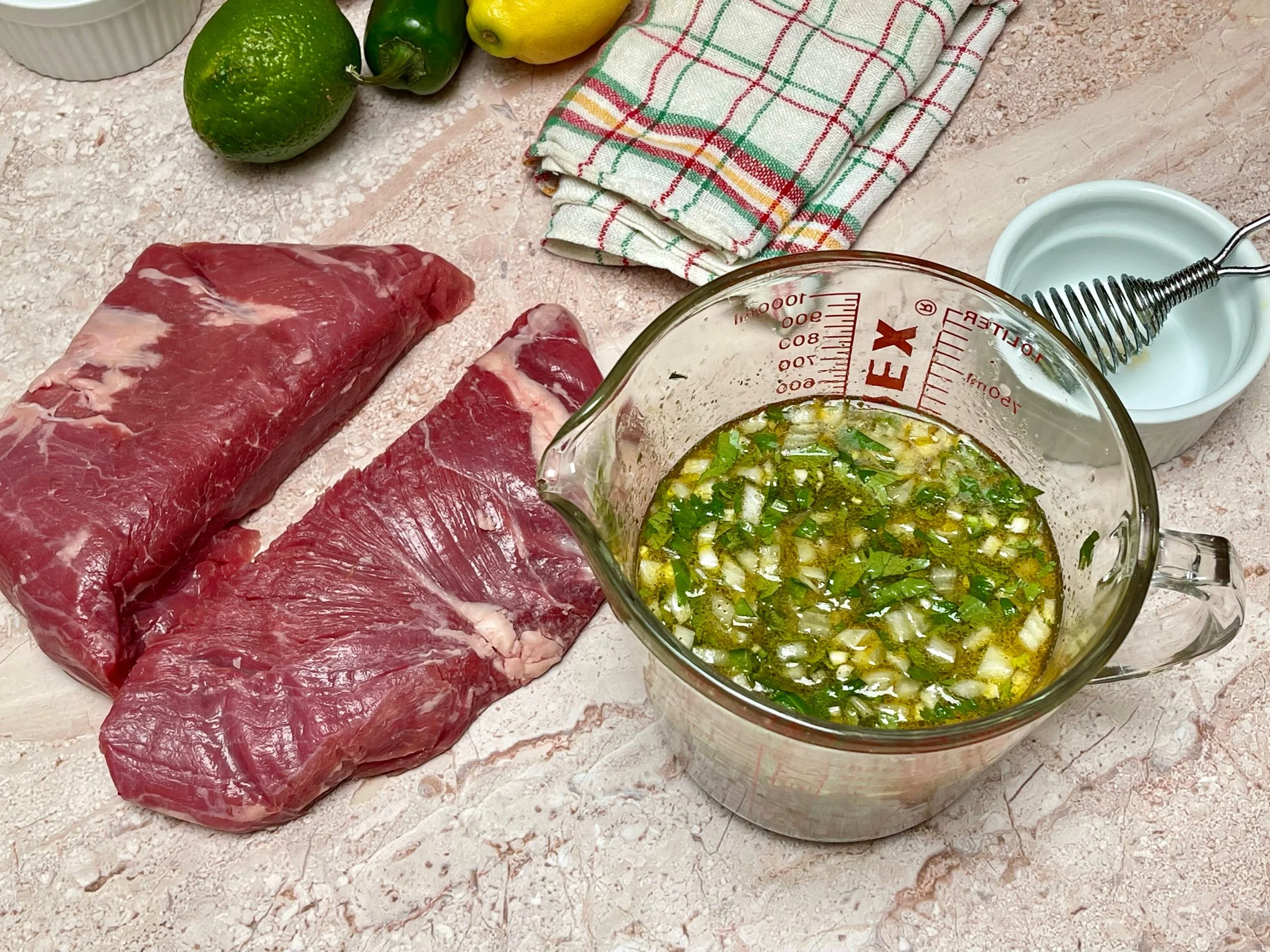
A classic carne asada marinade typically includes citrus (like lime and orange juice), garlic, oil, and spices. The acidity of the citrus helps tenderize the meat while infusing it with a sweet yet tangy flavor. Oil ensures the spices are well distributed in the marinade and promotes caramelization, while garlic and seasonings add depth and savoriness.
While some recipes use soy sauce or apple cider vinegar, I use beer for a more authentic carne asada recipe.
Why make your own marinade
Making your own marinade allows you to control the flavor balance, salt level, and freshness. Store-bought versions often lack the vibrant citrus punch and can include unnecessary additives.
A homemade marinade is fresher, more customizable, and truly elevates the dish. Ingredients are below, or click on Carne Asada Marinade Recipe.
Choosing the right meat
Flank steak and skirt steak are traditional choices because they are thin, flavorful cuts that absorb marinade well and cook quickly over high heat. Skirt steak is slightly more tender and richly flavored, while flank steak is leaner but still delicious when sliced properly.
Substitutions
If you can’t find flank or skirt steak, you can substitute with another cut of beef like flat iron steak, hanger steak, flap steak, or even sirloin. Just keep in mind that cooking times and tenderness may vary slightly. The key is slicing thinly against the grain after cooking.
Canola Oil Spray
I find canola oil spray very convenient, but you can also brush a thin layer of canola or vegetable oil on the steak. This will help give the steak a nice char.
As much as I love olive oil, it will smoke at high temperatures. If you don’t want to set off the smoke detector, stick with canola or vegetable oil or spray.
Stovetop Carne Asada Recipe
Ingredients
1 recipe Carne Asada Marinade
1½ to 2½ pounds flank or skirt steak
Canola oil spray as needed
Marinade Ingredients
2 oranges, juiced (yields about ⅔ cup)
1 lime, juiced (yields about ¼ cup)
1 lemon, juiced (yields about ¼ cup)
½ cup Mexican lager beer
1 tablespoon sea salt
1 teaspoon chili powder
1 teaspoon ground cumin
½ cup extra virgin olive oil
½ cup chopped white onion
1 jalapeño, seeded and minced
1½ tablespoons minced garlic
¼ cup fresh cilantro leaves, chopped
(Detailed Carne Asada Marinade Recipe)
Instructions
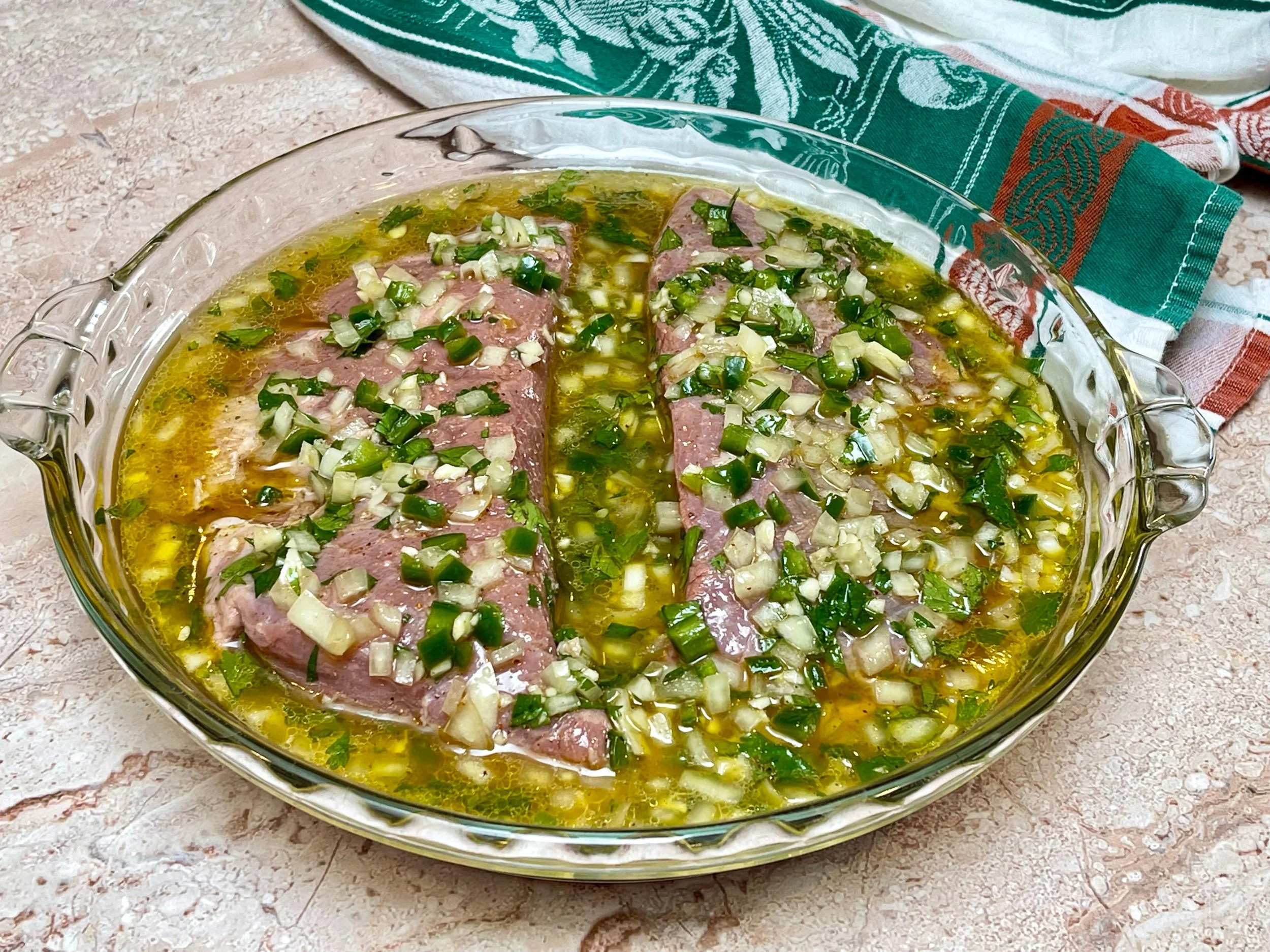
1. Place the steak in a large dish or resealable plastic bag and pour the carne asada marinade over it, ensuring the meat is fully coated. Cover and refrigerate for at least 2 hours, preferably 4–8 hours for maximum flavor.
2. Remove the steak from the refrigerator about 20–30 minutes before cooking to bring it closer to room temperature.
3. Heat a large cast iron skillet or grill pan over medium-high to high heat until very hot. I like ribbed grill pans because the sear you get mimics what you get with a grill.
4. Remove the steak from the marinade, letting the excess drip off. Pat the meat dry with a paper towel and spray it with non-stick canola spray. Place the steak in the hot pan spray side down, then spray the top of the steak.
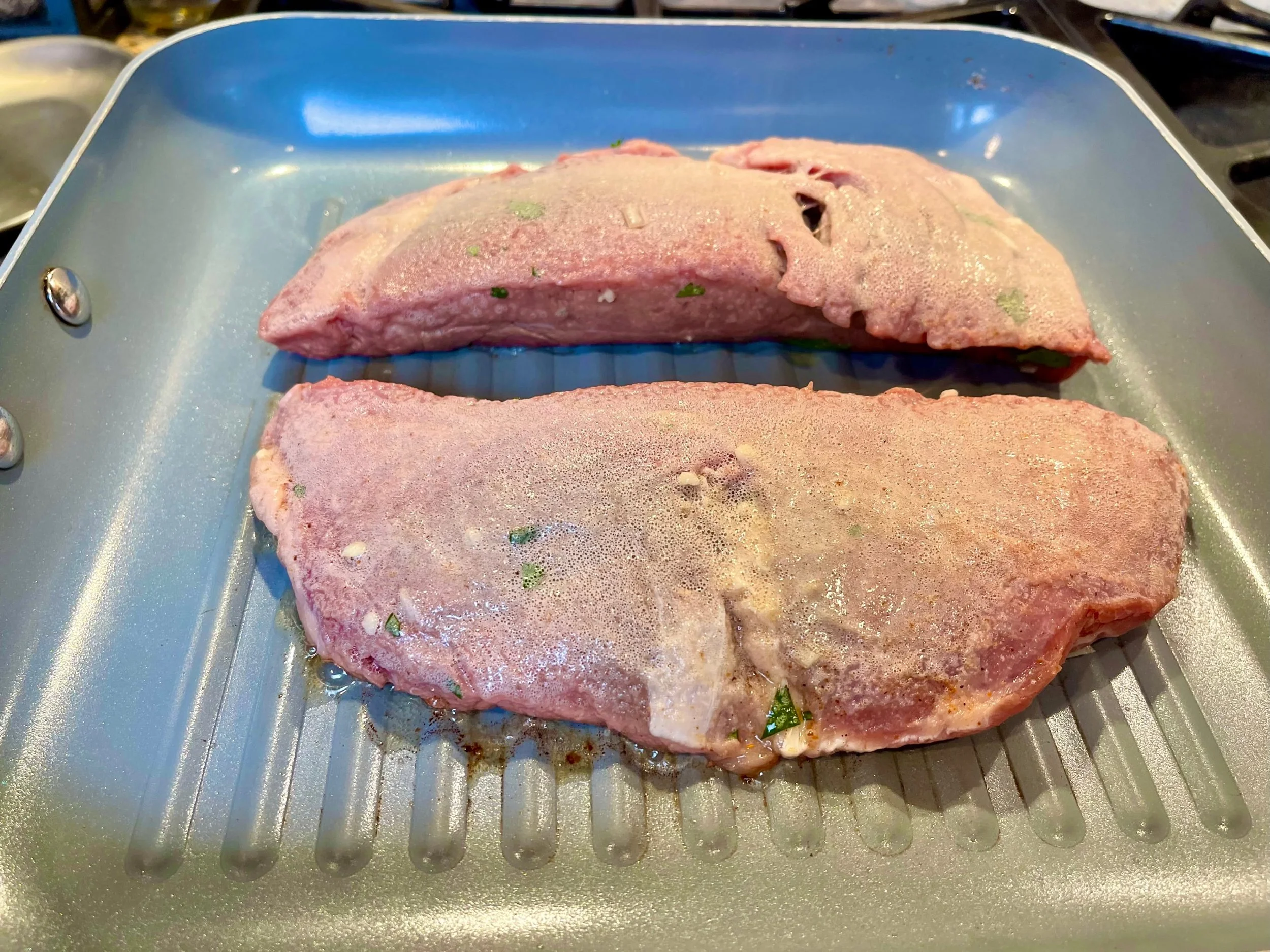
5. Cook for about 3–5 minutes per side, depending on thickness, until nicely charred and cooked to your desired doneness. I usually cook mine until it reaches 125°F as measured on a meat thermometer for medium rare.
Chef’s Tip: If you have a thicker piece of meat and are using a grill pan, rotate the meat 90° halfway through your cooking time to make cross-hatch grill marks.
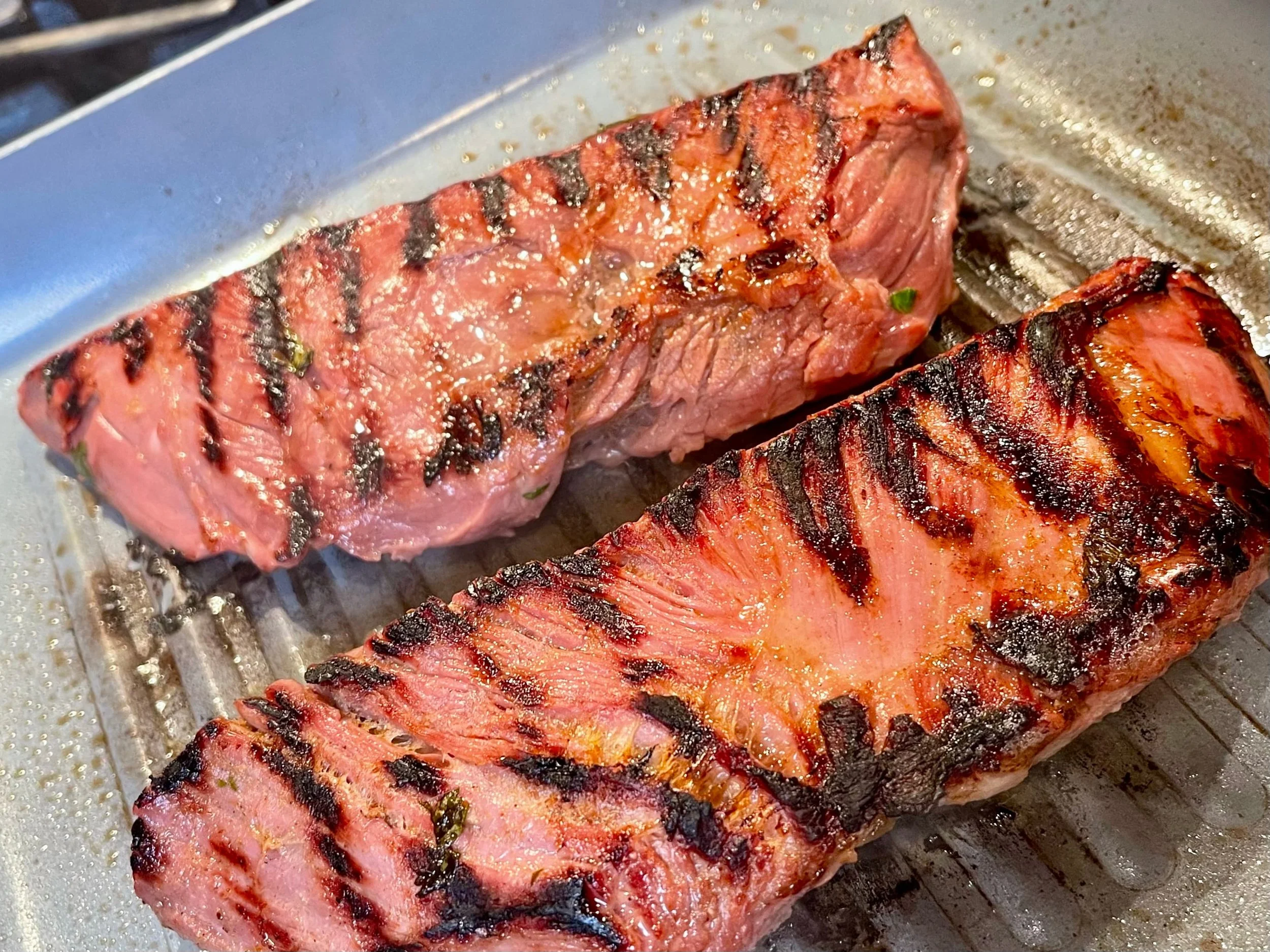
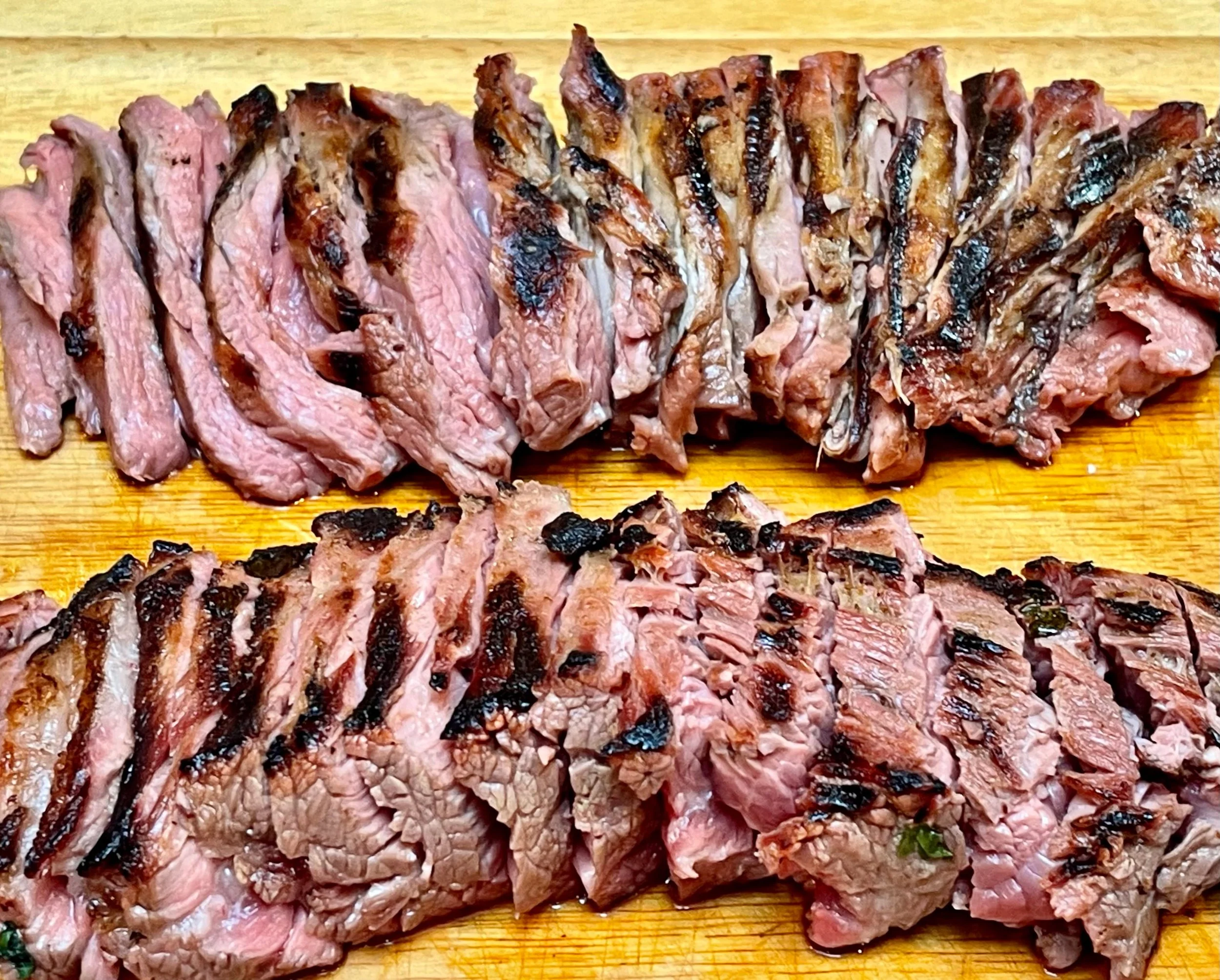
6. Transfer the carne asada steak to a cutting board and let it rest for 5–10 minutes. This helps retain the juices.
7. Slice thinly against the grain for the most tender texture.
Serving Carne Asada
Of course, you can serve Stovetop Carne Asada the same ways you would if you had grilled it. It’s prefect for casual taco nights, family gatherings, and celebrating Cinco de Mayo.
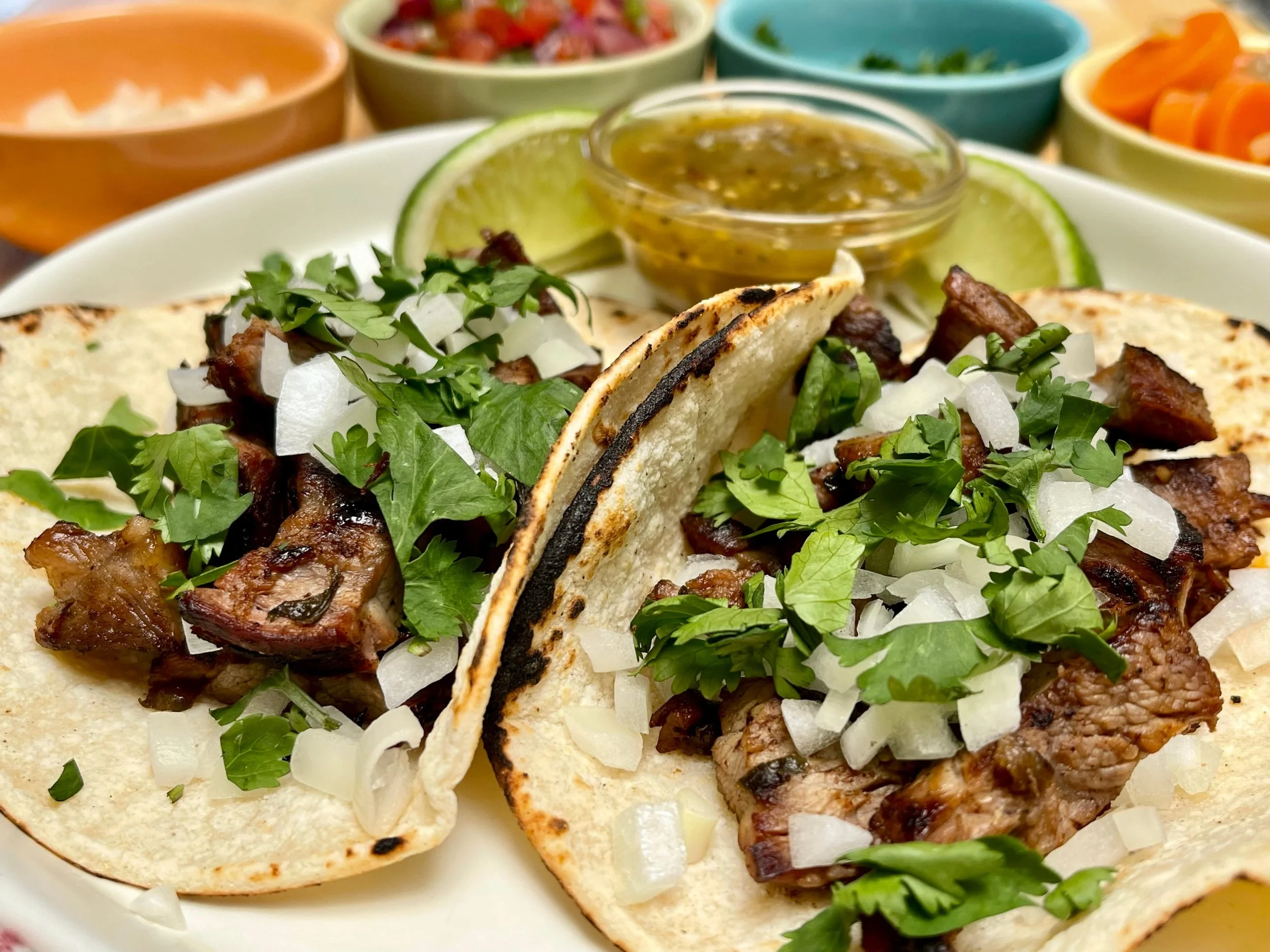
Carne Asada Tacos
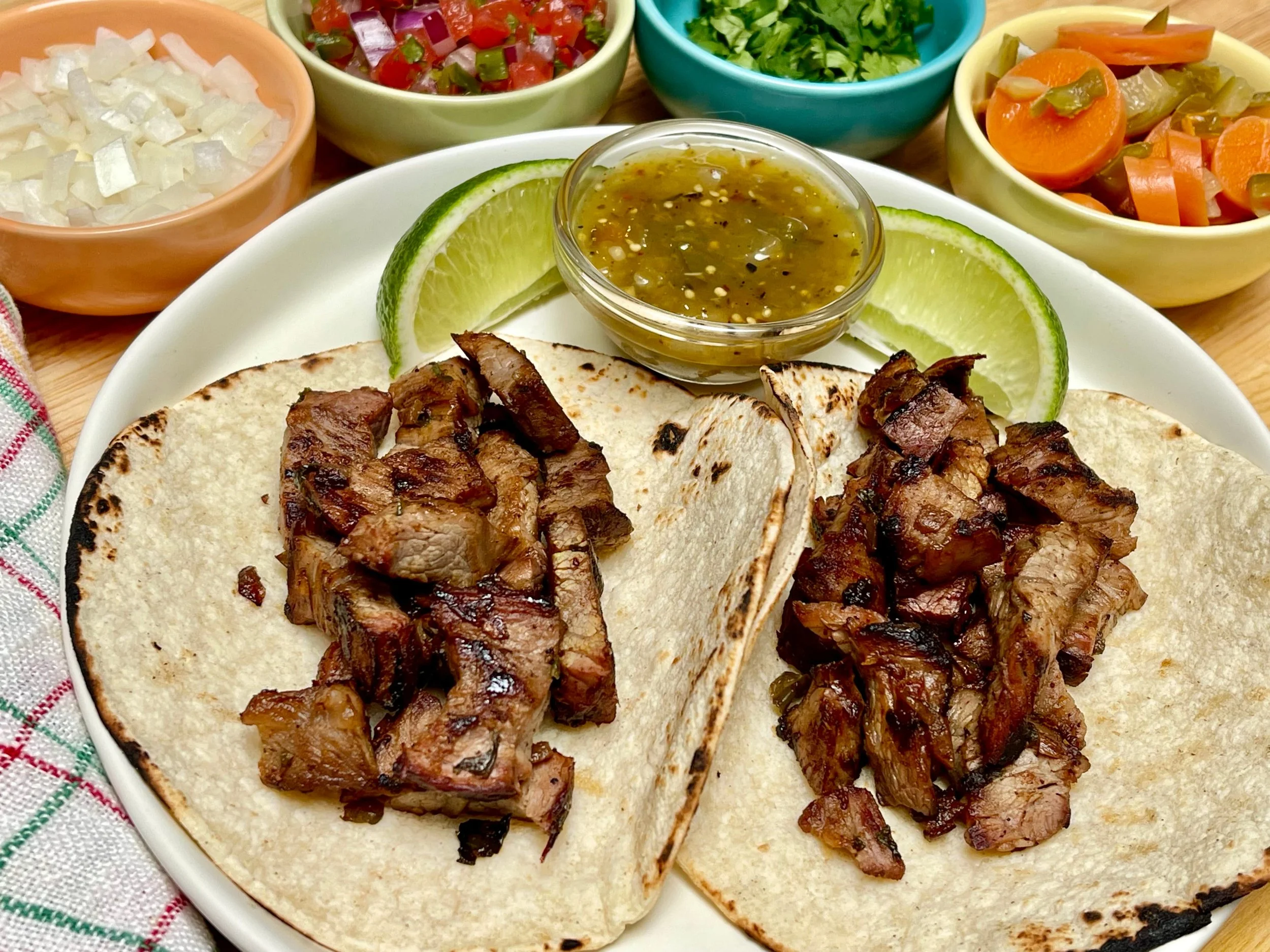
Carne asada is most commonly served chopped into bite-sized pieces or sliced and folded into warm corn or flour tortillas for tacos. In Mexico, toppings are simple—fresh cilantro, onions, and a squeeze of lime juice.
Burritos, Quesadillas, etc.
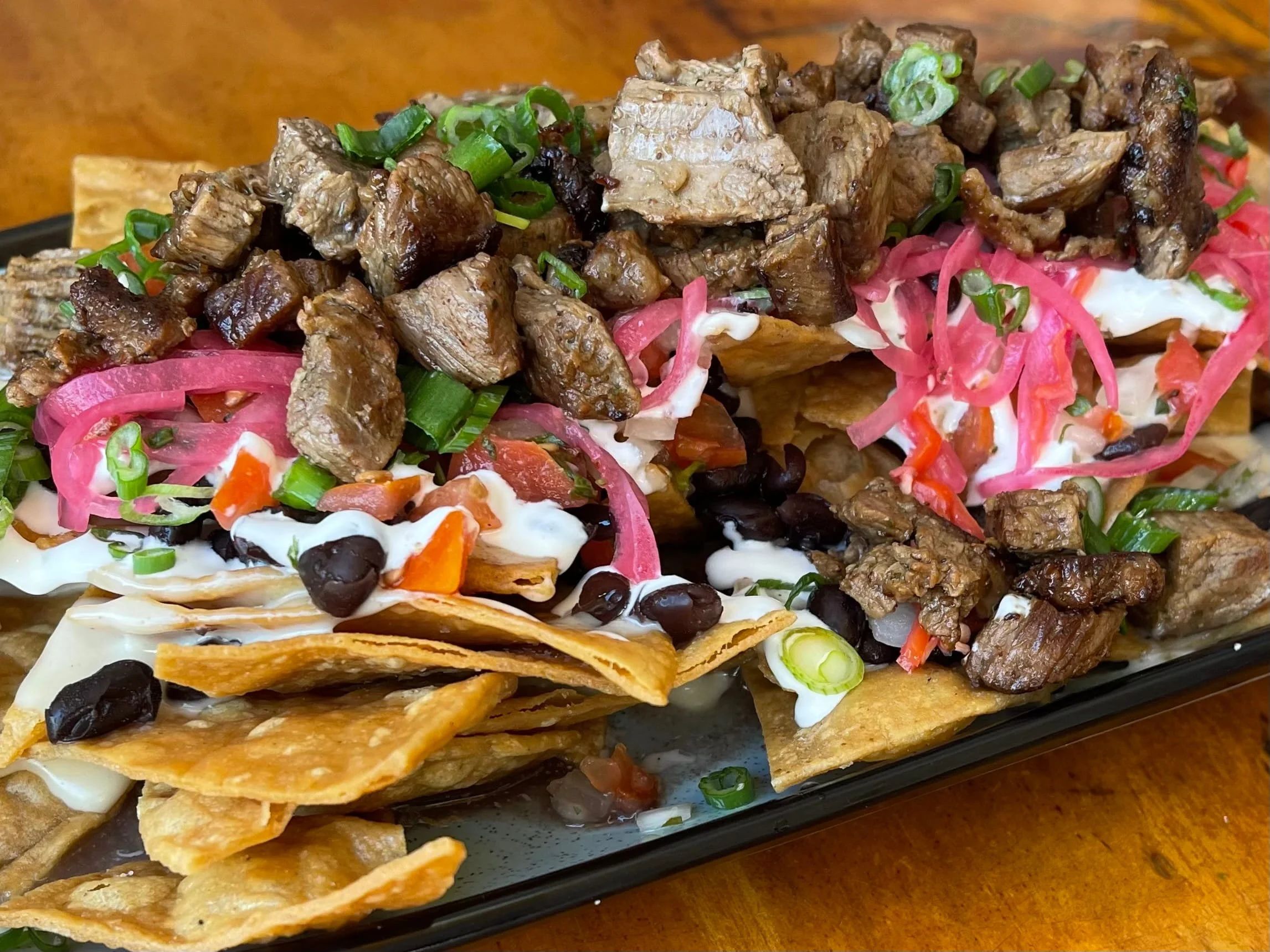
If you love Mexican food, Carne Asada is a welcome addition to most any dish. Try it in burritos, quesadillas, mulitas, nachos, tostadas, and/or fajitas.
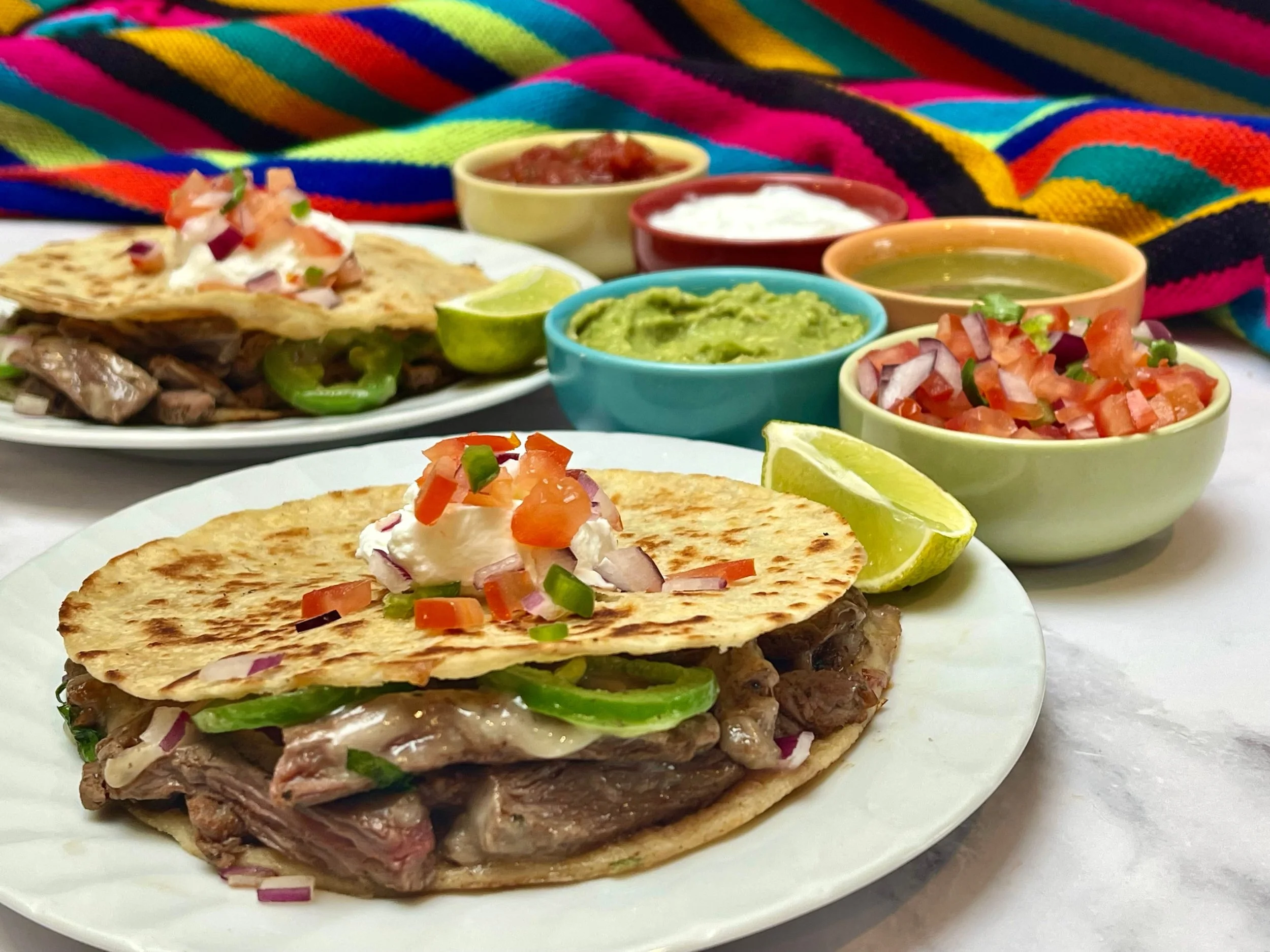
Main Dish
You can also serve this easy recipe family-style with flour or corn tortillas and toppings on the side.
Salsas, etc.
Just because in Mexico, toppings are simple, it doesn’t mean you can’t sauce things up with your favorite salsas, sour cream, or guacamole. Try these easy recipes:
Mango Corn Salsa
3-Ingredient Guacamole
Pico de Gallo
Side Dishes
Classic sides include Mexican rice, refried beans, and grilled vegetables like onions, peppers, or Mexican street corn.
For something lighter, a simple cabbage slaw or citrusy salad pairs nicely with the rich, savory meat. For a change of pace, try this easy Mexican Street Corn Pasta Salad as your carne asada sidekick.
FAQs About Stovetop Carne Asada
How do I get a good sear without a grill?
The keys are to make sure your pan is very hot before you put the meat on it, and to avoid overcrowding the pan. Cooking in batches if needed ensures you get that signature char.
Why is my carne asada tough?
This usually comes down to slicing. Always cut against the grain, and don’t overcook the meat. Marinating your carne asada per the recommendations above also helps ensure the meat is properly tenderized.
Can I make carne asada ahead of time?
Yes! You can marinate the steak and cook it ahead. Then reheat it gently, in the microwave, oven, or in a pan on the stovetop.
How do I store leftovers?
Store cooked carne asada in an airtight container in the refrigerator for as long as 3 to 4 days.
Can I freeze carne asada?
Yes. You can freeze the steak either raw in the marinade or cooked. Store in a freezer-safe container for up to 2–3 months. Thaw in the refrigerator before reheating or cooking.
What’s the best way to reheat Carne Asada?
For best results, reheat your carne asada gently in a skillet over medium heat with a splash of water or oil to keep it from drying out. Microwaving works, but cooking at full power can make the meat tough.
Make sure to use medium to medium-high power and microwave at 30-second intervals, stirring the meat in between rounds of heating. Remove your carne asada from the microwave when your desired temperature has been reached.
Can I reuse the marinade?
It’s not recommended to reuse marinade that has been in contact with raw meat unless you boil it first to make it safe. Once boiled, it is better as a sauce than marinade.