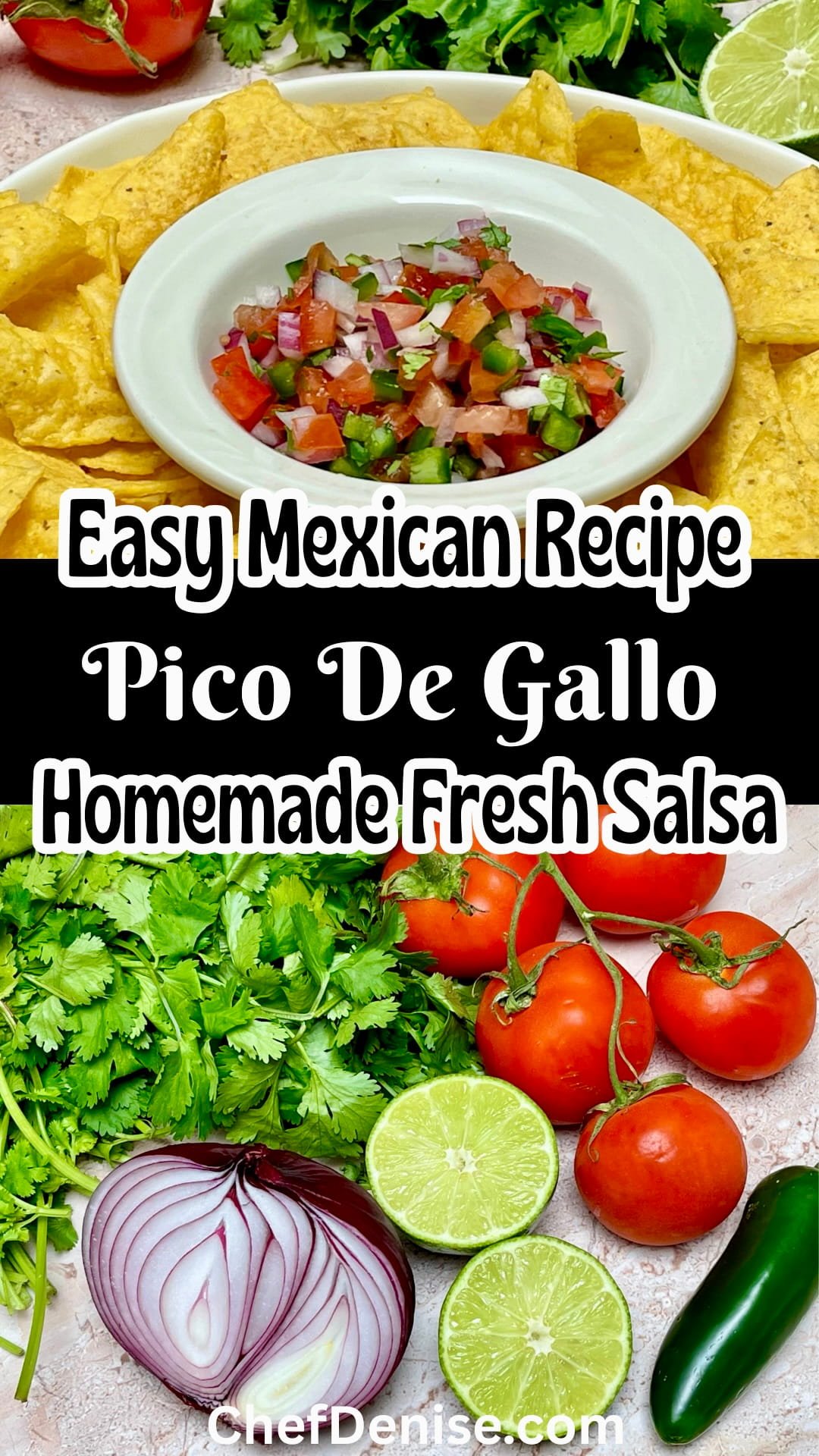
Pico de Gallo Recipe: Classic Fresh Mexican Salsa
If you’re looking for a bright, fresh, and incredibly easy salsa, this Pico de Gallo recipe is a must-have in your kitchen arsenal.
Made with just a handful of simple ingredients, this has been been my go-to recipe since my early personal chef days.
It really is the best—delivering bold flavor with every bite. It’s perfect for tacos, grilled meats, or simply being scooped up with tortilla chips.
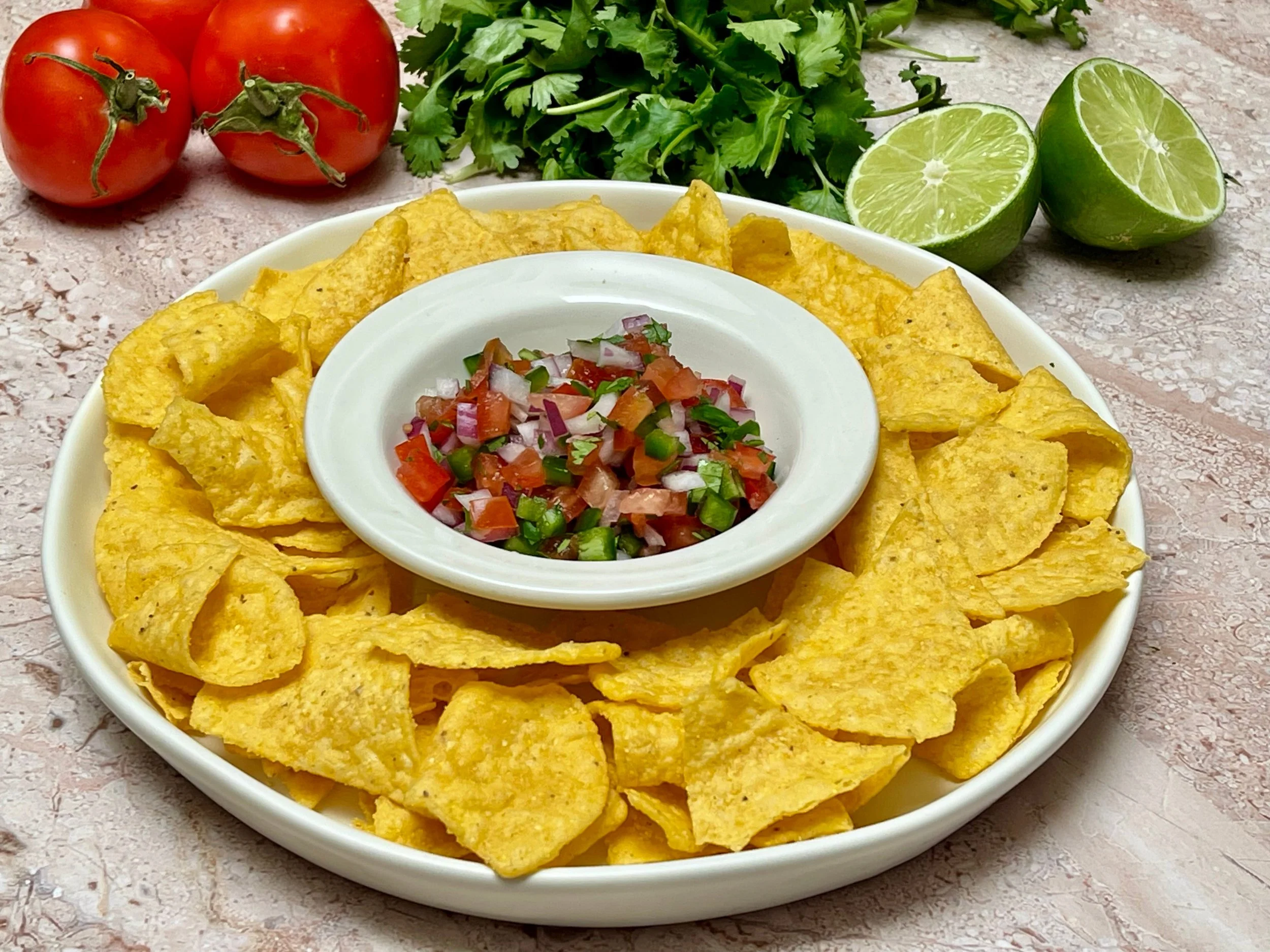
What is Pico de Gallo?
Pico de gallo, also known as salsa fresca or salsa cruda, is a fresh, uncooked salsa made primarily from chopped tomatoes, onions, chili peppers, cilantro, and lime juice. Unlike blended salsas, pico de gallo has a chunky texture that highlights each ingredient.
This iconic Mexican dish dates back to the Aztecs and is now eaten throughout Mexico. The name pico de gallo translates to “rooster’s beak.”
Several theories exist about the origin of this term. One popular idea is that people traditionally ate this salsa by pinching it between their fingers: Doing so made a shape that resembled a rooster’s beak in a pecking motion. (Are you pinching your fingers right now? It’s a solid theory, right?)
Ingredients and Substitutions
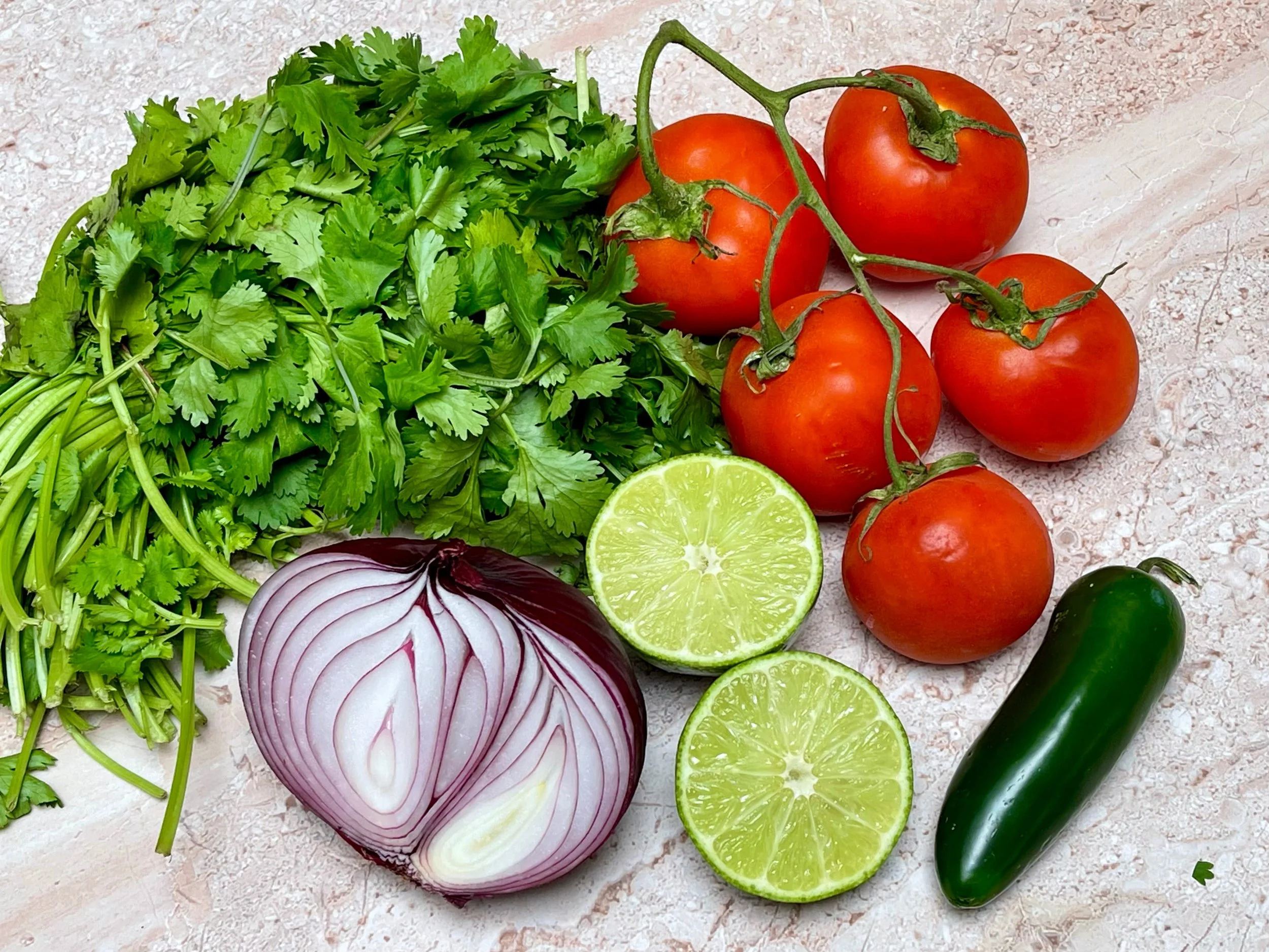
This classic Mexican staple is all about freshness, so choosing the right ingredients makes all the difference. Everything you need for this homemade pico de gallo recipe can be found at your local grocery store.
Tomatoes
Start with ripe tomatoes. Campari and Roma tomatoes (also called plum tomatoes) are a great choice because they’re firm, less watery than many other varieties, and have a lot of flavor.
If you use larger tomatoes, make sure to remove excess juice to prevent the salsa from becoming too watery.
You can use different colored heirloom varieties, but the classic choice is red tomatoes. The most import thing for fresh salsa recipes is to use fresh tomatoes—never cooked or frozen.
Onions
Although white onion is the traditional pick here, I think red onion makes the best pico. Red onions add the perfect bite with a little bit of sweetness, and a nice pop of color.
If you prefer a milder flavor, you can substitute with white onions or even soak chopped onions in cold water for a few minutes to mellow them out (and then dry them thoroughly). If you want a stronger onion, yellow is for you.
As with the tomatoes, use raw onions, not cooked or frozen!
Chile Peppers
Serrano peppers or jalapeño peppers are the most commonly used for pico de gallo. I use a jalapeño pepper so the pico doesn’t turn out too spicy.
Jalapeños bring gentle heat, and removing the seeds helps control the spice level. If you like it hotter, leave some seeds in or swap in a serrano pepper (which is about 2 to 5 times hotter than a jalapeño). For a milder version, you can use half of the jalapeño pepper or substitute with a mild green chili.
Cilantro
Fresh cilantro adds the pico de gallo’s signature herbaceous note—there’s really no substitute for its flavor. If you’re not a fan, you can leave it out and try chopped green onions or Italian parsley for the color.
Lime Juice
Finally, fresh lime juice ties everything together with its acidity and brightness. Always use freshly squeezed lime juice for the best flavor—bottled lime juice just doesn’t compare.
Lime is preferred in Mexican cuisine, but lemon juice is the next best choice if you need a substitute.
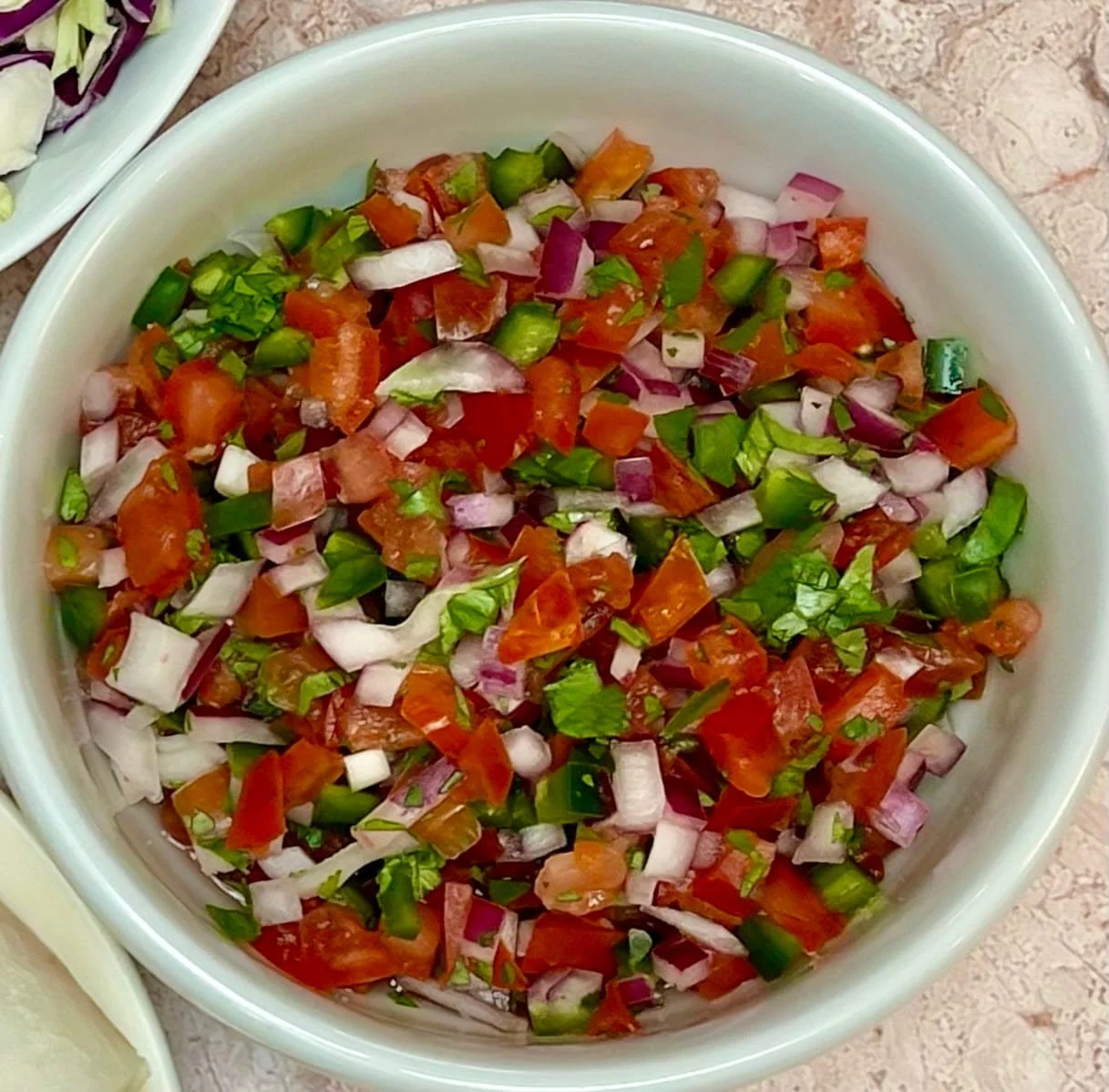
Pico de Gallo Recipe
Ingredients
4–5 small tomatoes
¼ red onion
1 jalapeño or serrano chile pepper
2 tablespoons chopped cilantro
2 tablespoons fresh lime juice
Instructions
1. Start by washing and drying all your produce thoroughly.
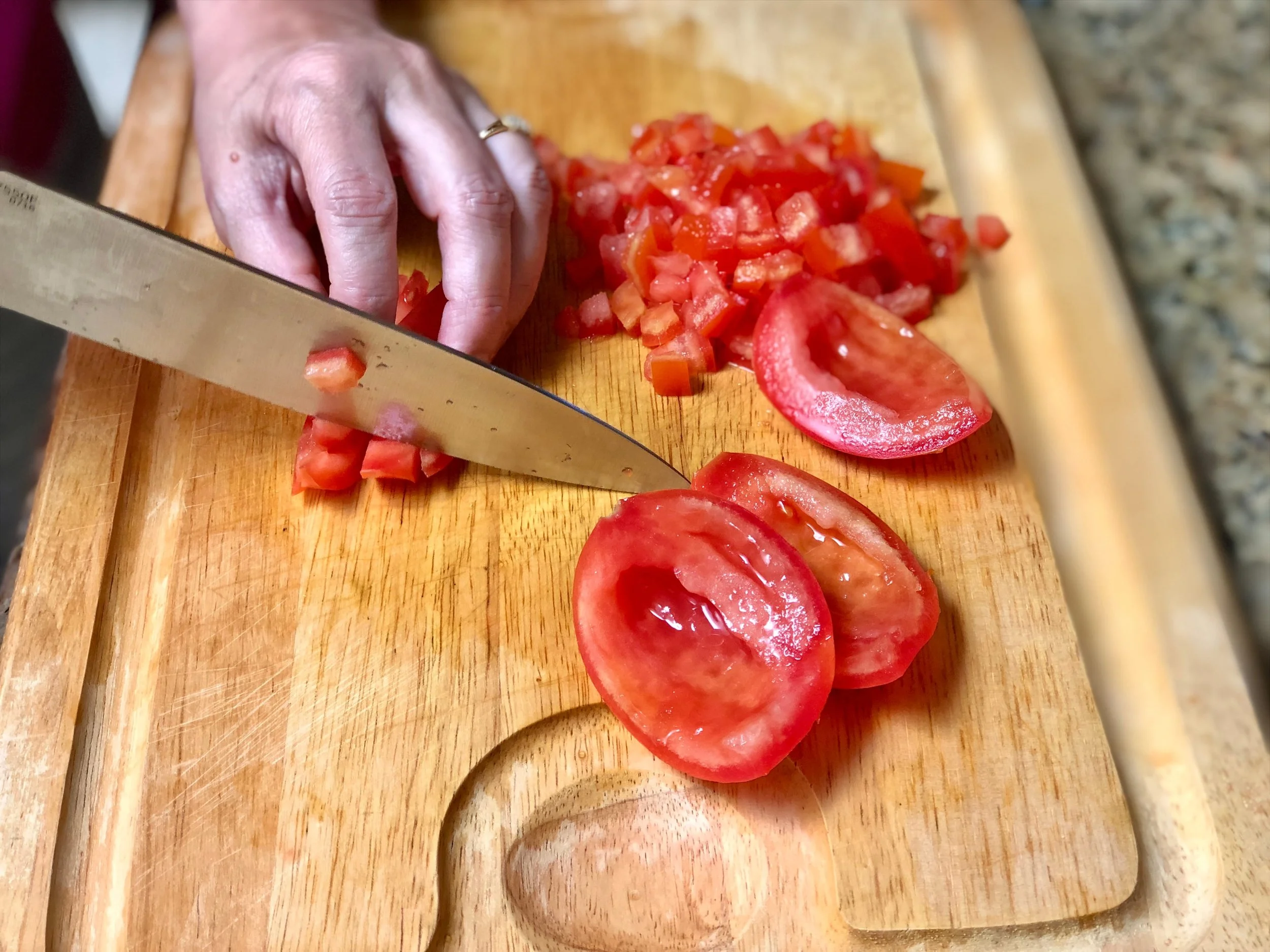
2. With a sharp knife, chop the tomatoes into small, evenly-sized pieces (small dice), and place them in a medium-sized bowl. I prefer to remove the seeds as they can be bitter. You should end up with approximately 1 cup of chopped tomatoes.
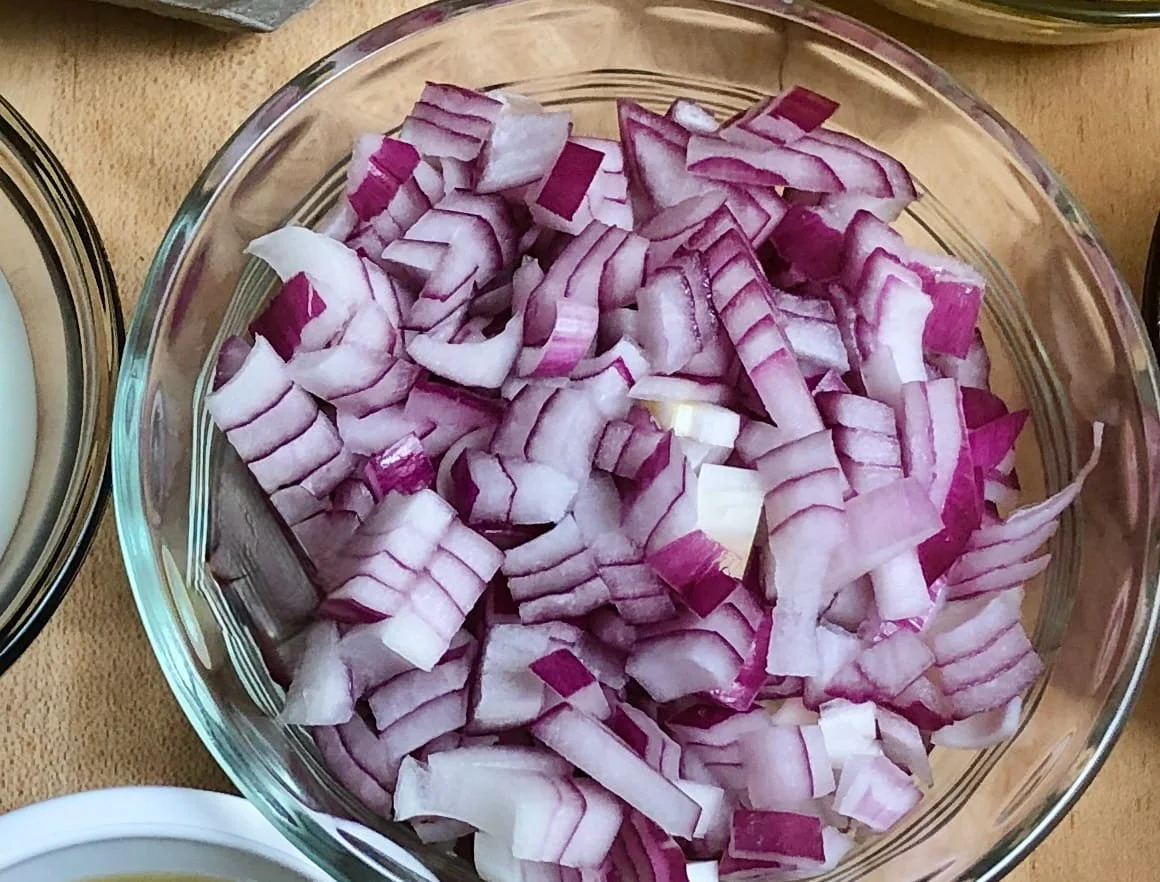
3. Chop the onions about the same size as the tomatoes, or a little smaller. You’ll need about ½ of a cup. Add the chopped onions to the bowl.
4. Finely chop the jalapeño, removing seeds and membranes for a milder heat. You should yield about 2 tablespoons. Add the chopped jalapeño to the mixture.
5. Add the chopped cilantro and lime juice to your bowl.
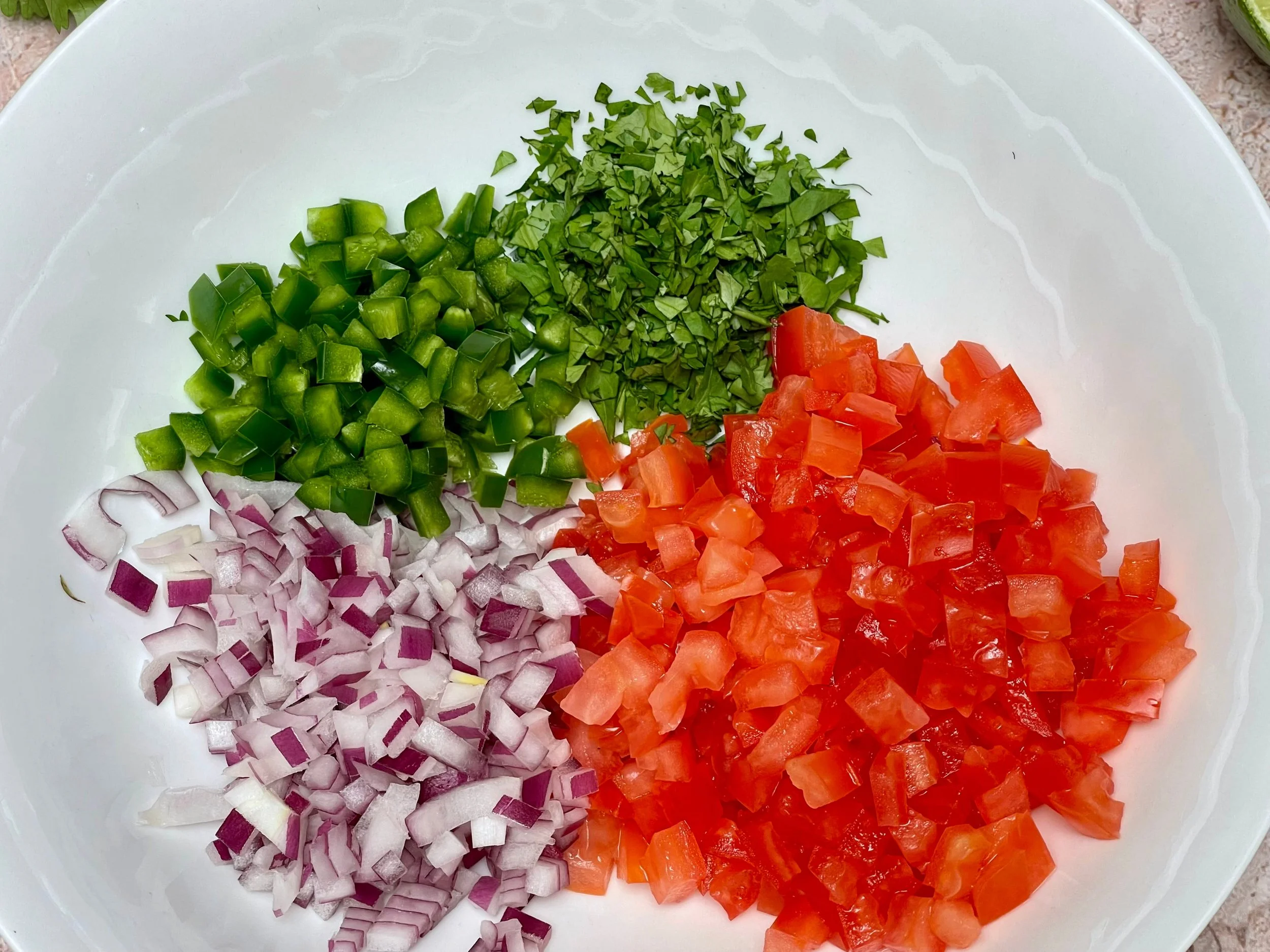
6. Gently mix everything together until well combined.
7. Taste and adjust if needed—add a bit more lime juice or a pinch of salt if desired.
8. Let the pico de gallo sit for about 10–15 minutes before serving to allow the flavors to meld.
How to Serve Pico de Gallo
Pico de gallo can be served with just about any Mexican dish and much, much more!
Bonus: Pico de gallo is also very photogenic. Take photos and use one of theses Mexican food quotes for your socials!
Mexican Favorites
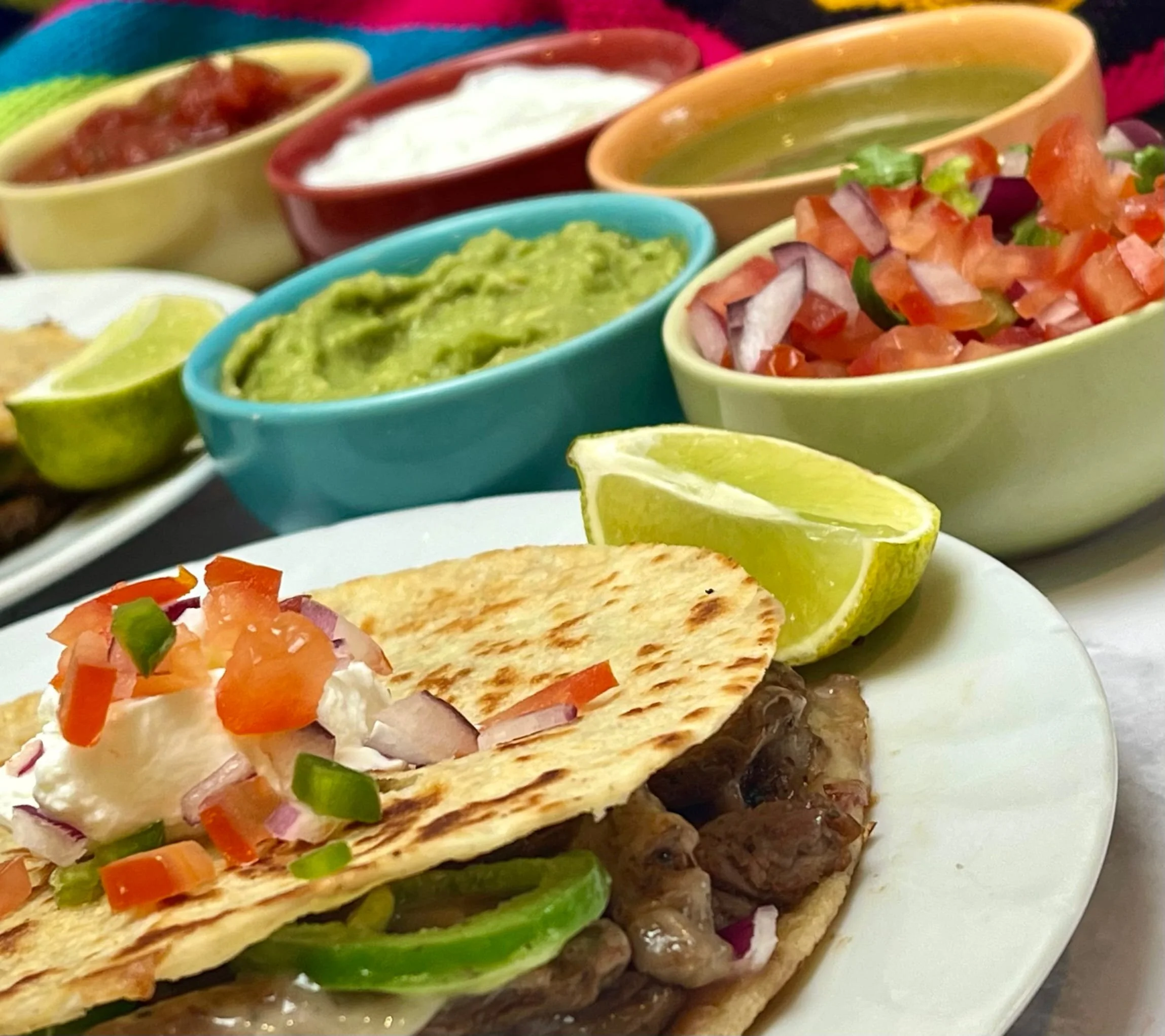
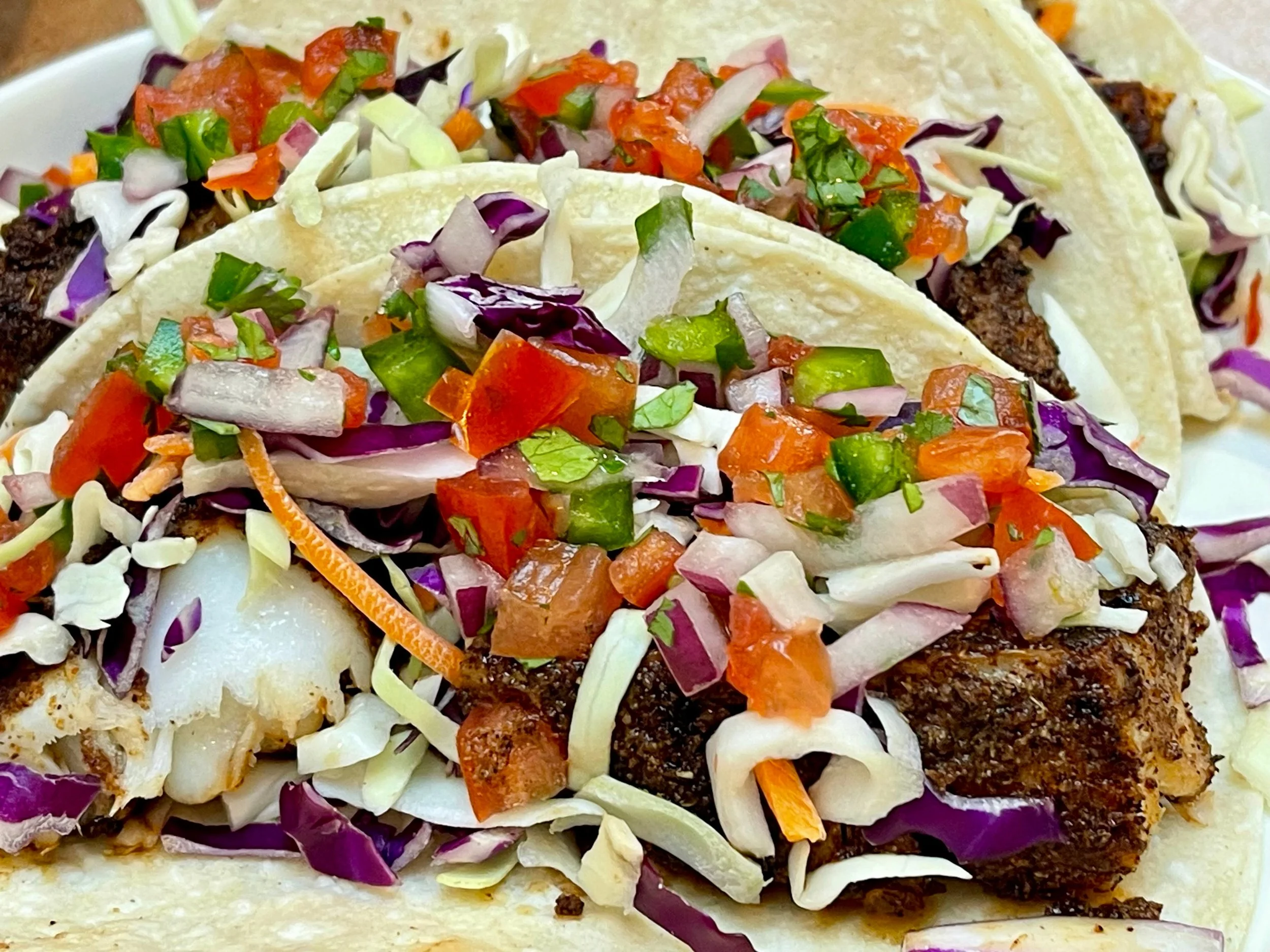
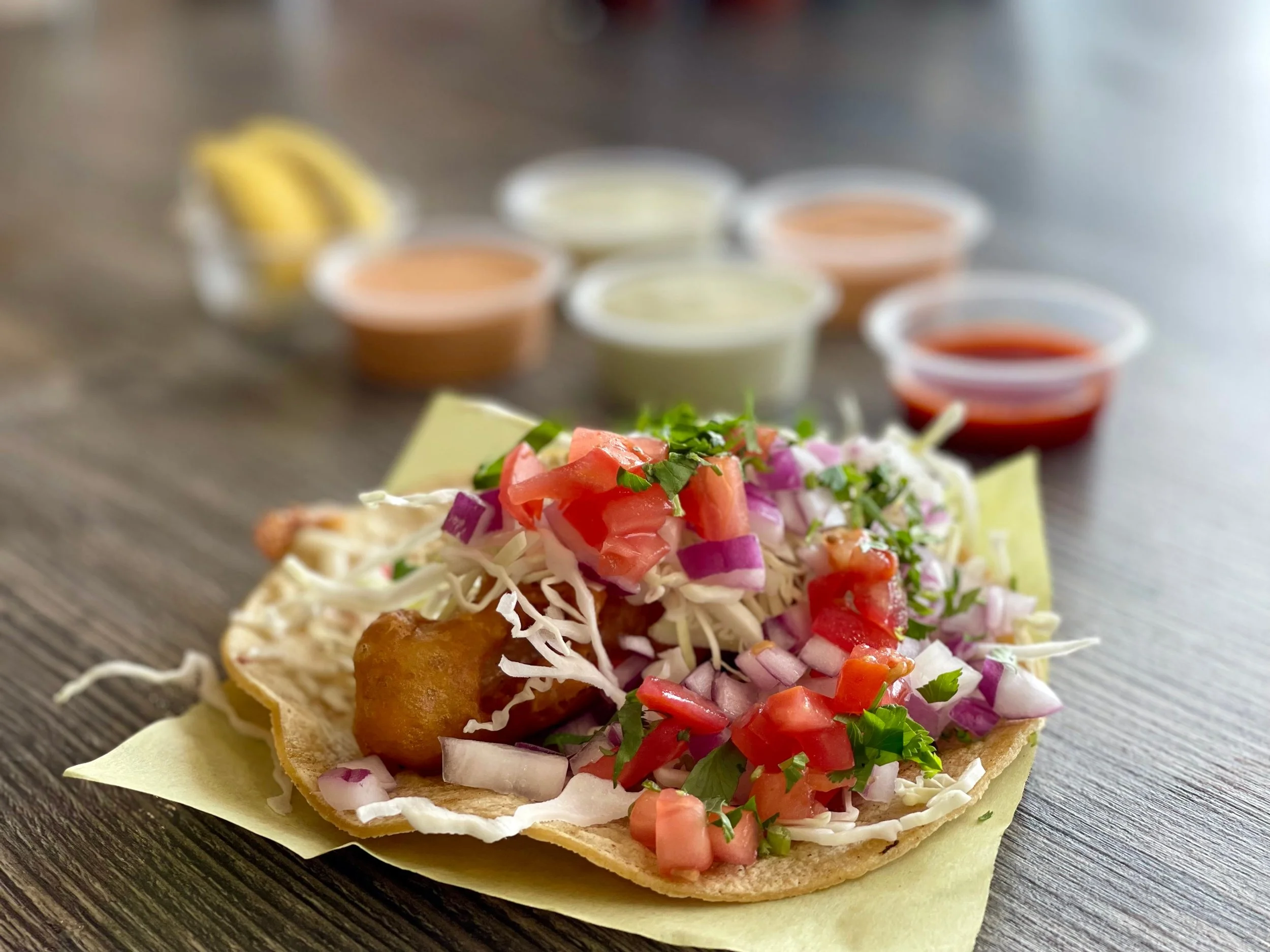
I always make this homemade salsa recipe when we have tacos—fish tacos, breakfast tacos, mulitas tacos—it’s perfect for them all!
Same goes for different types of quesadillas and burritos. Add it to the fillings or top your creations with a healthy dollop.
Try this easy recipe for Cheese Quesadillas.
Salsa or Sauce
Pico de Gallo is a salsa, and salsa means sauce. So spoon it over grilled meats, fish, bowls, and/or veggies.
You can also use it as a topping for eggs, avocado toast, or even as a fresh garnish for soups and salads.
Chips & Salsa
Of course, one of the most popular ways to enjoy this fresh salsa is as a dip with tortilla chips. Always a crowd-pleaser, pico de gallo is perfect for Cinco de Mayo or any party or gathering.
Try these other great dips for chips:
Mango Salsa
Refried Bean Dip
3-Ingredient Guacamole
Mexican Street Corn Dip
FAQs About Pico de Gallo
Can you make this Pico de Gallo recipe ahead of time?
Yes, you can make it a few hours in advance. In fact, letting it sit for about 30 minutes to a few hours helps the flavors meld together beautifully. However, for the freshest taste and texture, it’s best enjoyed the same day.
How do you store Pico de Gallo?
Store it in an airtight container in the refrigerator for up to 2 days. It will lose some freshness, but it will still taste good.
Keep in mind that the tomatoes will continue to release liquid over time, so you may want to drain off excess liquid before serving.
Can you freeze this homemade salsa?
Freezing is not recommended. The fresh ingredients lose their texture and become mushy once thawed. Try blending leftovers in a blender or food processor, and then freeze for a saucy restaurant-style salsa.
How can I keep my pico from getting watery?
Use firm, ripe tomatoes like Roma and remove excess seeds and juice before mixing. Also, avoid over-mixing, which can break down the ingredients.
Is Pico de Gallo spicy?
It has a mild to moderate heat, depending on the chile peppers used. You can easily adjust the spice level by using more or less chiles or removing their seeds.
What’s the difference between Pico de Gallo and salsa?
Pico de gallo is a fresh, chunky salsa made with raw ingredients, while traditional salsa is often blended and may be cooked for a smoother texture and deeper flavor.
Fresh, simple, and full of flavor, this Pico de Gallo recipe is one you’ll come back to again and again. Once you make it from scratch, you’ll never go back to store-bought!
Try these other Mexican favorites:
White Pozole
Mexican Cookies
Mexican Shrimp Ceviche
Cilantro-Lime Corn & Zucchini
Healthy Beef Enchiladas
Chicken Enchilada Casserole
Guiltless Gluten-Free Nachos