10 Best Condiments for Charcuterie Board Perfection
As a chef, I’ve made hundreds of charcuterie and cheese boards, and when served during any occasion, they are always one of the biggest hits of the night.
My secret to the perfect charcuterie board: a well-crafted blend of flavors, textures, shapes, and colors.
While cured meats and artisanal cheeses are the stars of the show, the right condiments can elevate the entire experience from simple to sensational. In addition, these supporting players are a fun way to make your board both beautiful and unique.
Why Do You Need Condiments on a Charcuterie Board?
Charcuterie board condiments not only enhance the visual appeal, they serve several key culinary purposes:
Balance: Rich meats and salty cheeses can be overwhelming. A sweet jam or a tangy glaze cuts through the richness, balancing the palate.
Contrast: Because the flavors and textures of charcuterie board sauces are so different from the meats and cheeses they accompany, these supporting characters can deliciously complement the headliners.
Complexity: Condiments introduce new layers of flavor—sweet, savory, spicy, or herbaceous—that not only complement, but can also enhance the main attributes of the key ingredients in your spread.
Best Condiments for Charcuterie Boards
As I’ve said, the best charcuterie board will have lots of variety. A variety of meats, a variety of cheeses, and, of course, a variety of condiments.
You can purchase most of my favorite condiments at your local grocery store, specialty food markets, or online. I also have some delicious recipes for some of them if you prefer homemade.
Pick a few that you think sound best with the types of cheeses and meats you’ve selected. You do not need to include all 10!
1. Truffle Honey
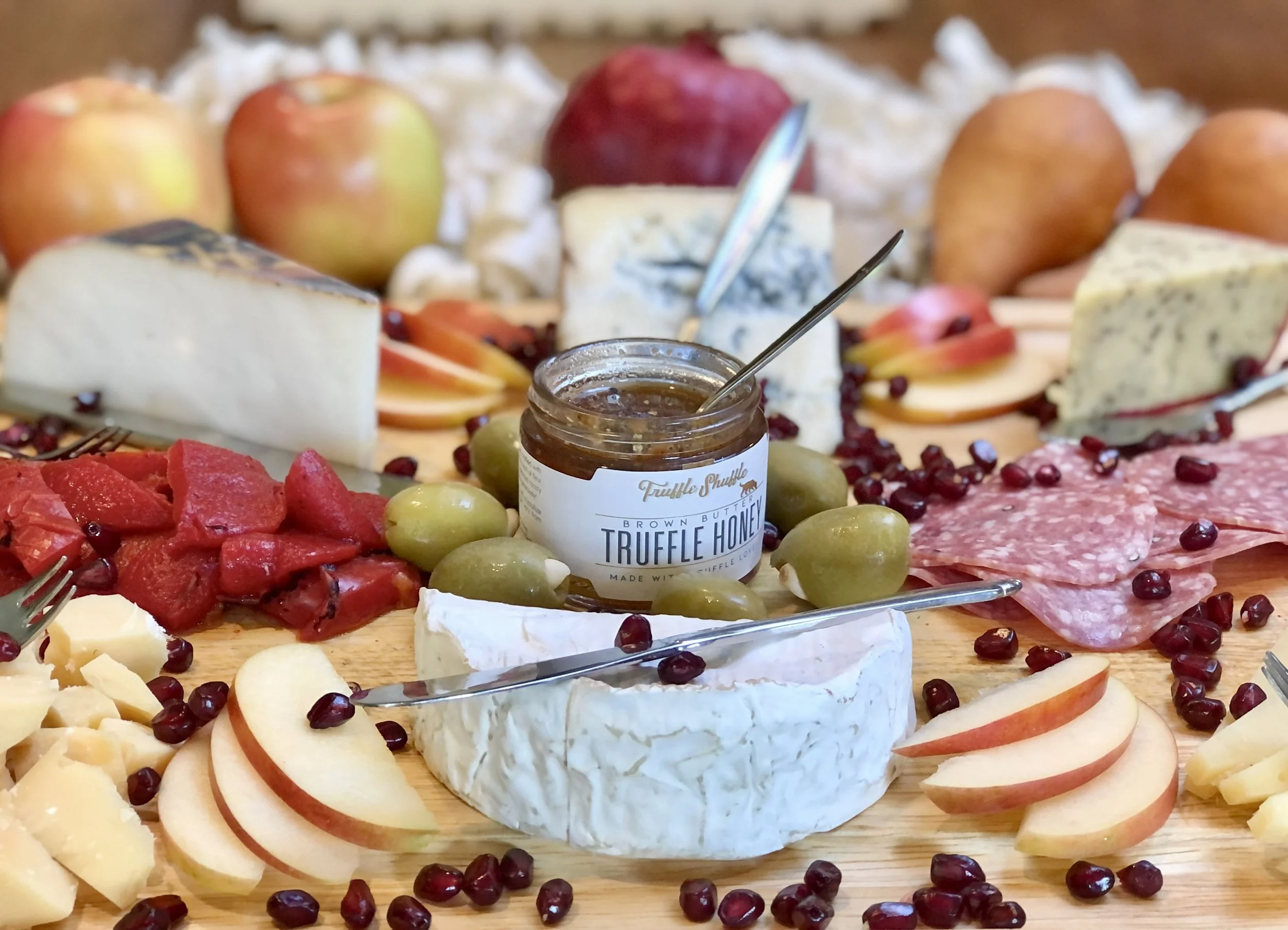
If I make a charcuterie or cheese board without truffle honey, it’s because I have run out of it, and sadly haven’t yet purchased a new one. It’s my number one pick even for a simple charcuterie board.
This gourmet condiment is made by infusing high-quality honey with pieces of black or white truffles. This process imparts the honey with the distinctively earthy, musky, and pungent aroma and flavor of truffles.
The natural sugars of the honey provides the initial taste, followed by the complex, umami-rich notes of the truffle.
Perfect Pairings: Truth be told, I love truffle honey so much I enjoy it on soft cheeses, hard cheeses, creamy cheeses, and right off the spoon—not kidding. However, for the more refined palate . . .
It takes just a little drizzle of honey for the sweetness to cut through the saltiness of cured meats like prosciutto and salami.
Truffle honey pairs exceptionally well with hard, nutty Italian cheeses such as Parmigiano-Reggiano, Pecorino, and Grana Padano.
The earthy truffle notes also complement the funkier character of blue cheeses like Gorgonzola or Stilton. In fact, some version of the blues is always a part of my favorite cheese and truffle honey combo.
Recommended: Mitica Truffle Honey
2. Tapenade
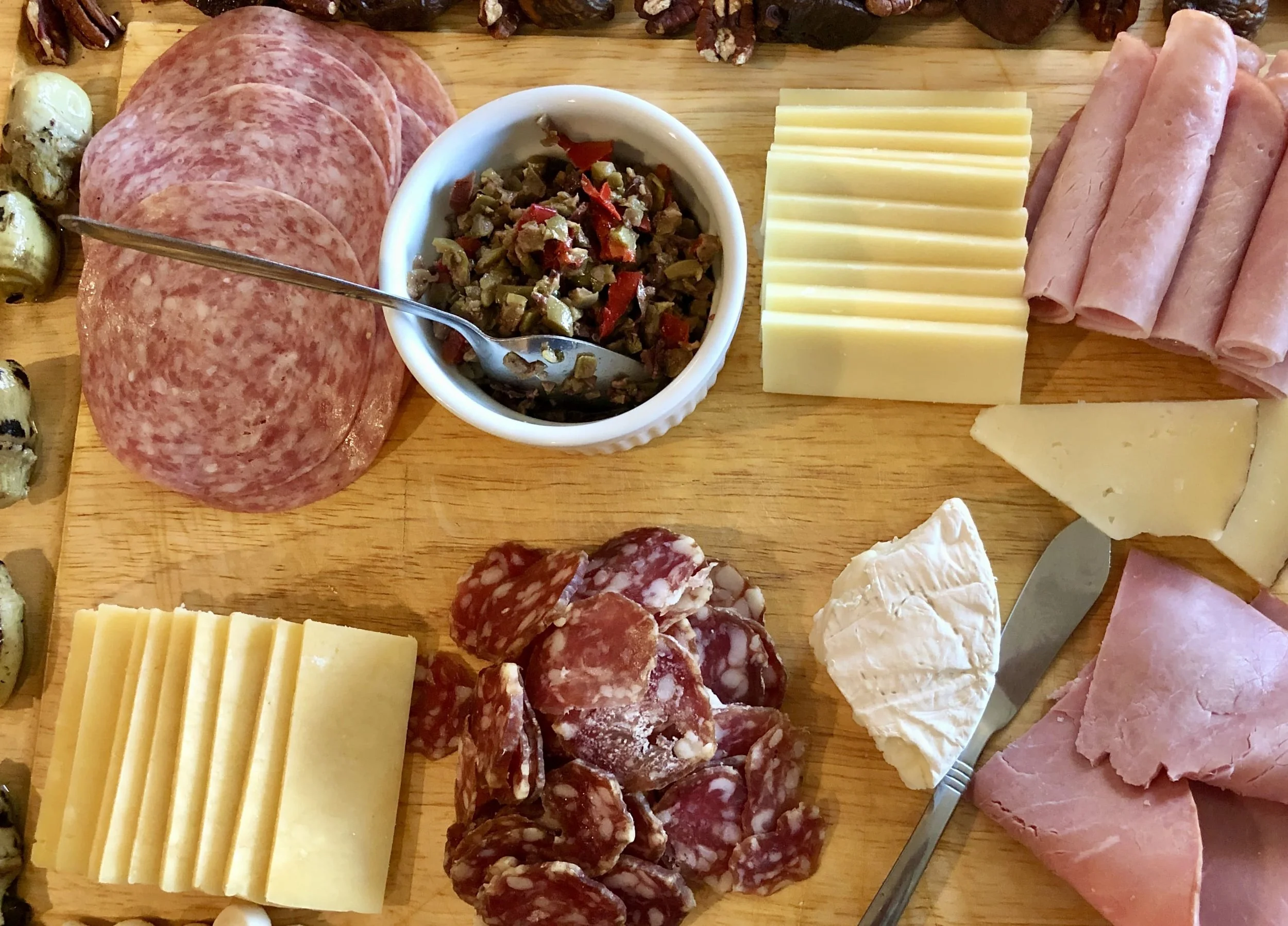
Olive fans like myself always love tapenade. It’s a classic Provençal spread whose name comes from the the Provençal term for capers, tapenas.
The traditional recipe features finely chopped or puréed black olives, capers, anchovies, and olive oil. My tapenade recipe combines Kalamata olives and green olives with sun-dried tomatoes and roasted peppers. Nowadays, any olive spread can pass as tapenade.
The olives provide a deep, fruity bitterness that’s also salty and briny. The capers add a sharp tang, and the anchovies contribute a powerful umami depth. Tapenade’s texture is typically thick and slightly coarse, making it perfect for spreading.
Perfect Pairings: Tapenade’s bold, salty flavor is a perfect counterpoint to mild, creamy cheeses like fresh mozzarella, burrata, or goat cheese.
Tapenade also stands up well to the rich fattiness of pork-based charcuterie like salami and capicola.
Recommended: Trader Joes makes an excellent traditional version of Tapenade
3. Fruit Jams
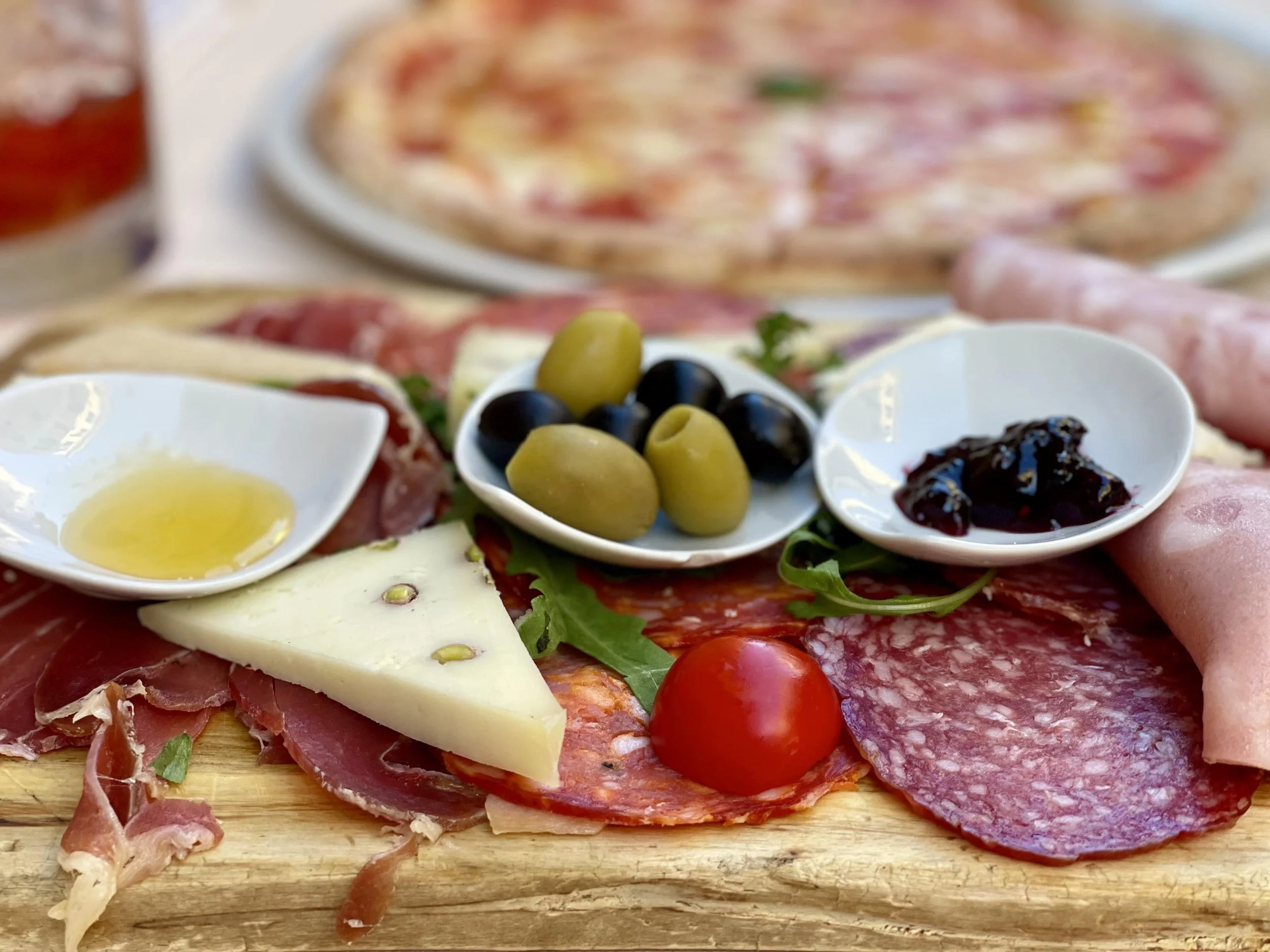
In addition to fresh fruit, I find fruit jams (or fruit spreads) a great way to balance the savory elements of charcuterie boards. Any kind of fruit jam, jelly, or preserve will also add color to your display, and you can use it to invoke seasonality.
I’ll go out on a limb here and say one of the most commonly used jams, strawberry, is one of my least favorites for a charcuterie platter. This might just be my personal taste, but I find strawberry preserves simply too sweet for charcuterie board duty.
Quince paste is an excellent, very popular option, but my three favorite fruit jams are fig, apricot, and raspberry. Of these, fig jam has the most concentrated sweetness. Apricot is brighter, with more tang and a lovely floral aroma. Raspberry is usually more complex, blending a rich fruitiness with a little tartness.
Perfect Pairings: Different jams partner well with different cheeses. Fig spread is a classic pairing for a creamy cheese like brie or camembert, as well as for a sharp blue cheese.
Apricot jam complements aged cheddar and gruyere, while the tartness of raspberry jams is fantastic with rich, triple-cream French cheeses like Delice de Bourgogne (one of the best cheeses ever).
Want to know more about French cheeses? Read French Cheese Boards.
Recommended: Dalmatia Fig Jam and Bonne Maman Raspberry
4. Balsamic Glaze
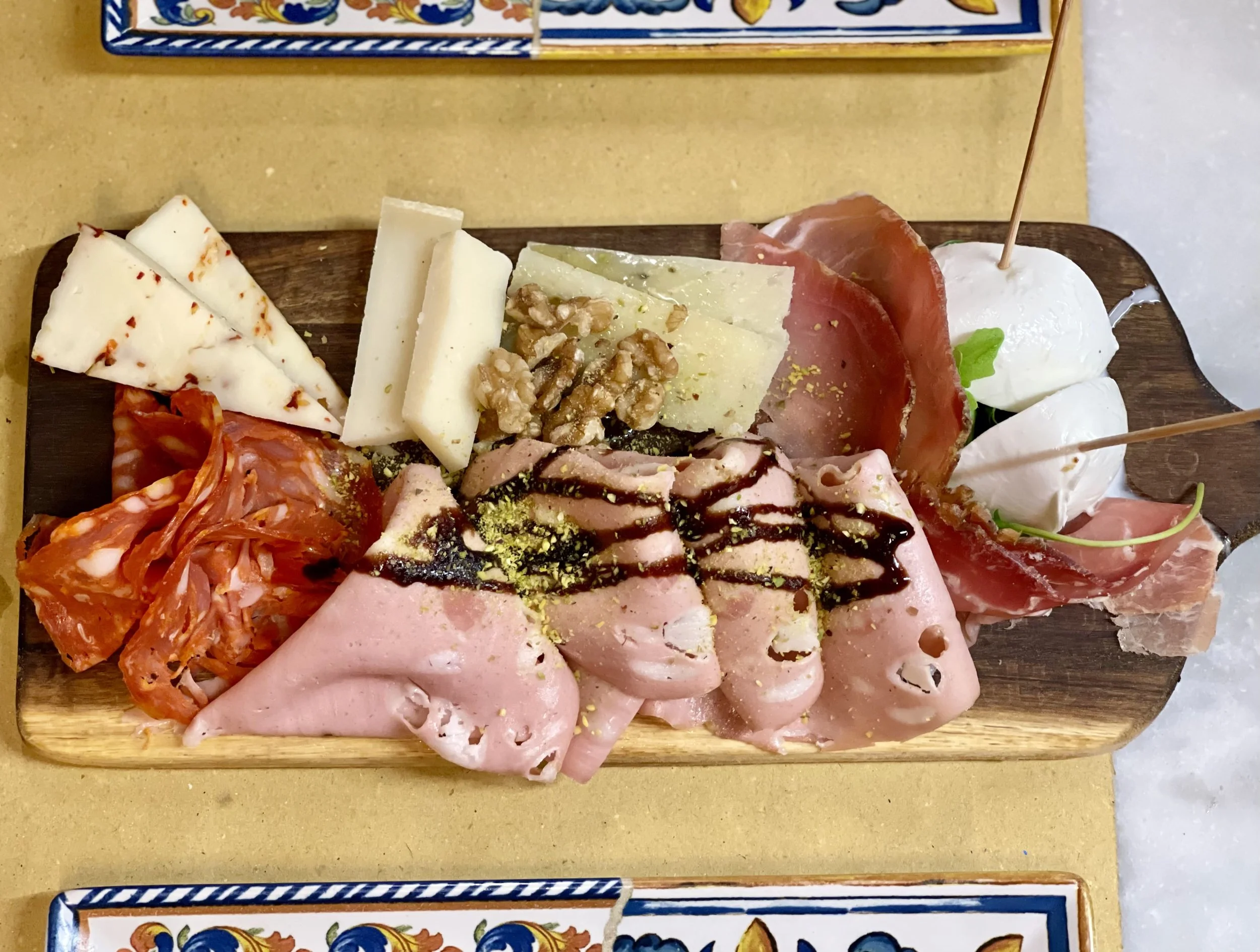
A balsamic glaze is simply balsamic vinegar that has been cooked down until it becomes thick, syrupy, and concentrated. The process intensifies balsamic vinegar’s natural sweetness and reduces its acidity, resulting in a rich, tangy, and complex condiment.
This glaze delivers a potent combination of sweet and sour. It has notes of fig, cherry, and molasses, with a gentle acidic bite. Its syrupy consistency makes it perfect for drizzling.
Perfect Pairings: A drizzle of balsamic glaze over a piece of Parmigiano-Reggiano is a taste of heaven. It also enhances the flavor of fresh cheeses like mozzarella and burrata.
On the meat side, balsamic pairs nicely with prosciutto and bresaola, adding a sweet and tangy element that complements the salty, savory profiles of both of these Italian salumi offerings.
Recommended: Giusti Balsamic Glaze
5. Pesto Sauce
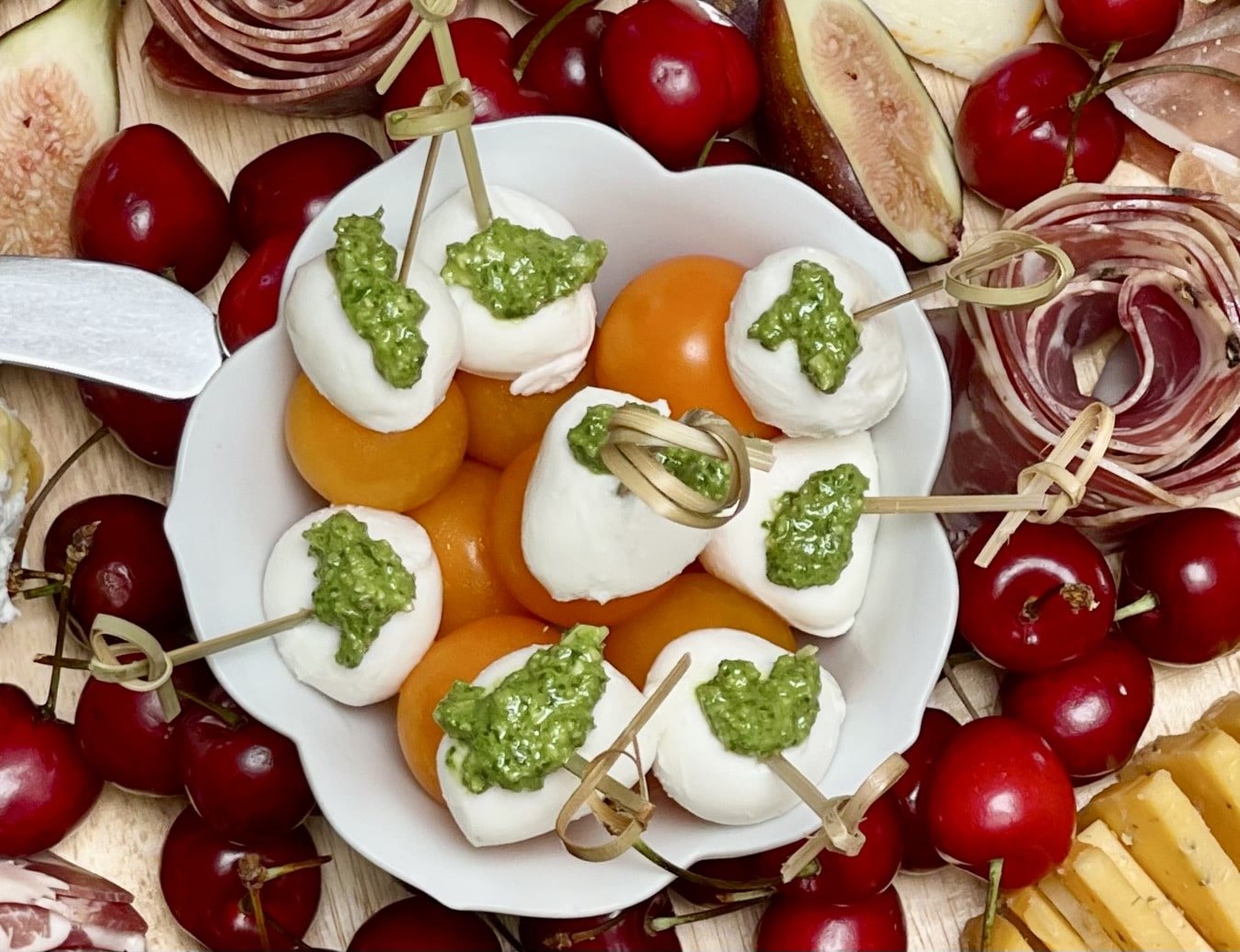
Think pesto is just for pasta? Nope, it’s also one of the best dips and spreads!
Pesto is a bright, herbaceous sauce originating in Genoa, Italy. The traditional recipe for pesto alla genovese entails crushing fresh basil, garlic, pine nuts, and aged cheese (like Parmigiano-Reggiano or Pecorino) and blending this mixture with olive oil.
The flavor is fresh, cheesy, and nutty. The basil provides a sweet, aromatic base, the garlic adds a kick, and the cheese and pine nuts contribute savory depth and a creamy texture.
Perfect Pairings: Pesto brings a fresh, garden-like element to a board that can be heavy on rich flavors. It’s wonderful when spread on a piece of crusty bread or a water cracker with a slice of provolone, fontina, or asiago.
Pesto is also delicious with simple cured meats like mild salami, mortadella, prosciutto, or roasted turkey.
Recommended: I always make homemade, but I have seen it at Trader Joe’s, so, I’d give them a try.
6. Romesco Sauce
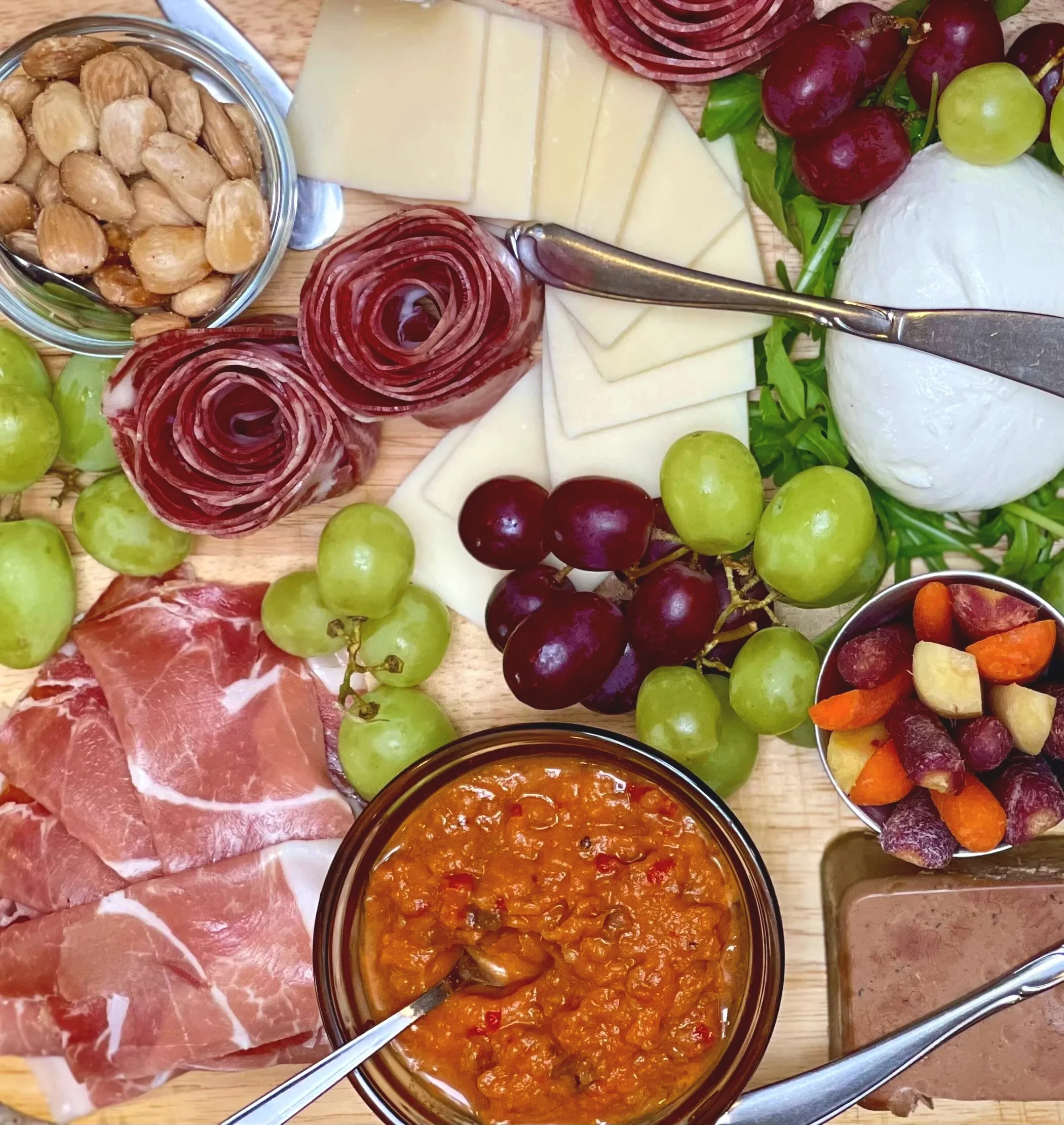
Romesco is a yummy, smoky sauce from the Catalonia region of Spain. Its core ingredients are roasted red peppers and nuts (typically almonds). When everything is blended together, garlic, olive oil, and vinegar add sharpness and depth, while a bit of bread thickens the sauce.
Romesco’s bold flavors are complex and satisfying: smoky, sweet, nutty, and slightly tangy all at once. The roasted peppers provide a deep, sweet base, while the nuts add texture and a savory richness.
Perfect Pairings: Romesco’s robust character is a natural fit for Iberian hams, chorizo, and smoked sausages.
Spanish cheeses like manchego and Mahón will also stand up to Romesco. It’s also one of the best dips for fresh vegetables.
Recommended: Ronda’s Romesco Sauce
7. Aioli
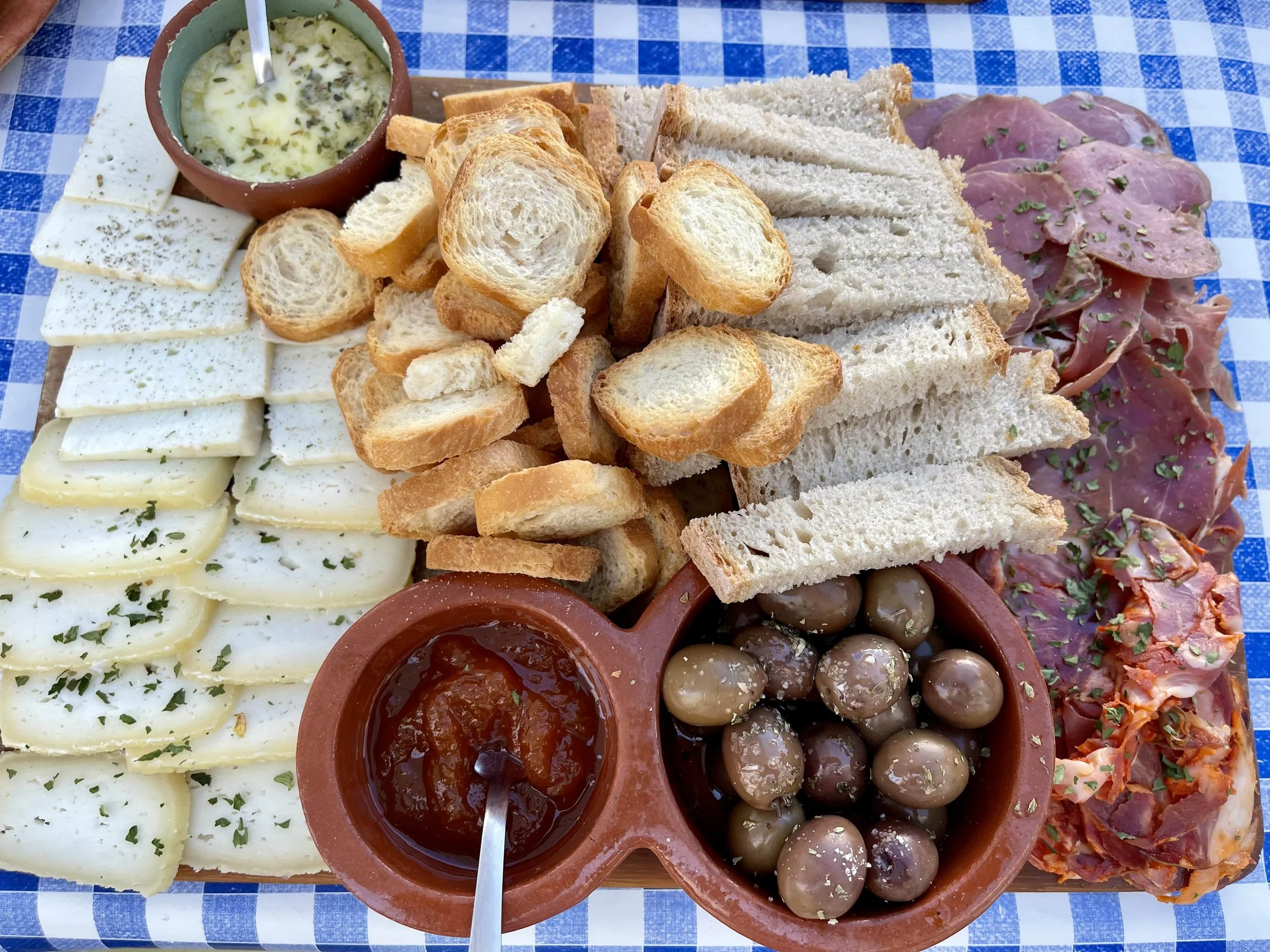
Aioli is a famous French sauce that is essentially a flavorful garlic mayonnaise. Traditionally, it’s an emulsion of garlic and olive oil.
A dollop of aioli adds a creamy texture and a bold, garlicky punch. Variations abound and can include herbs, spices, fruits, and vegetables among the ingredients.
Perfect Pairings: I find aioli an excellent companion for heartier items on the board, like sobrasada, roast beef, or thick-cut salami.
It also works well as a dipping sauce for breadsticks and raw vegetables.
Note: Aioli would not be my first pick for a cheese platter that does not contain meat.
Recommended: Best Foods Garlic Aioli
8. Nduja
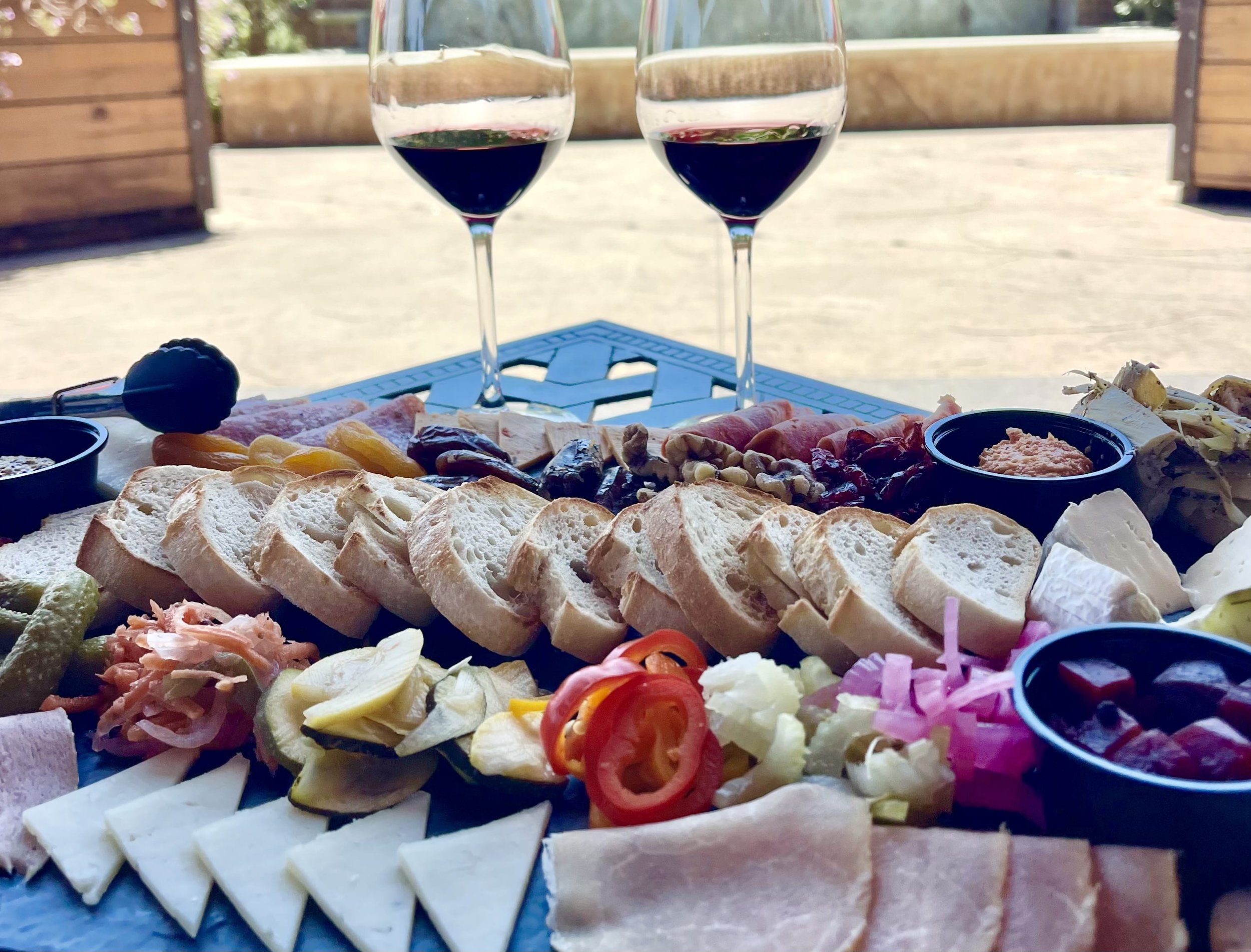
Although Nduja (pronounced en-DOO-ya) is from Calabria in southern Italy, the first time I had it, I was exploring the cuisine of Bologna.
This unique pork spread can be spicy, as it usually includes a generous amount of Calabrian chili peppers and spices. It melts slightly at room temperature, making it perfect for spreading on warm, toasted bread.
Since it’s basically a spreadable sausage, it can also be classified as a salumi (the Italian word for charcuterie). Because it’s usually served in a bowl rather than sliced, I’m calling it a condiment. Perhaps I should call it a charcuterie spread.
Perfect Pairings: A small smear on a piece of bread with a creamy, mild cheese like burrata, tallegio, or ricotta creates an incredible contrast of heat, creaminess, and texture.
Meat lovers, feel free to use it with mortadella, fennel salami, prosciutto, or all of the above!
Recommended: Sanniti Nduja di Spilinga
9. Mustards
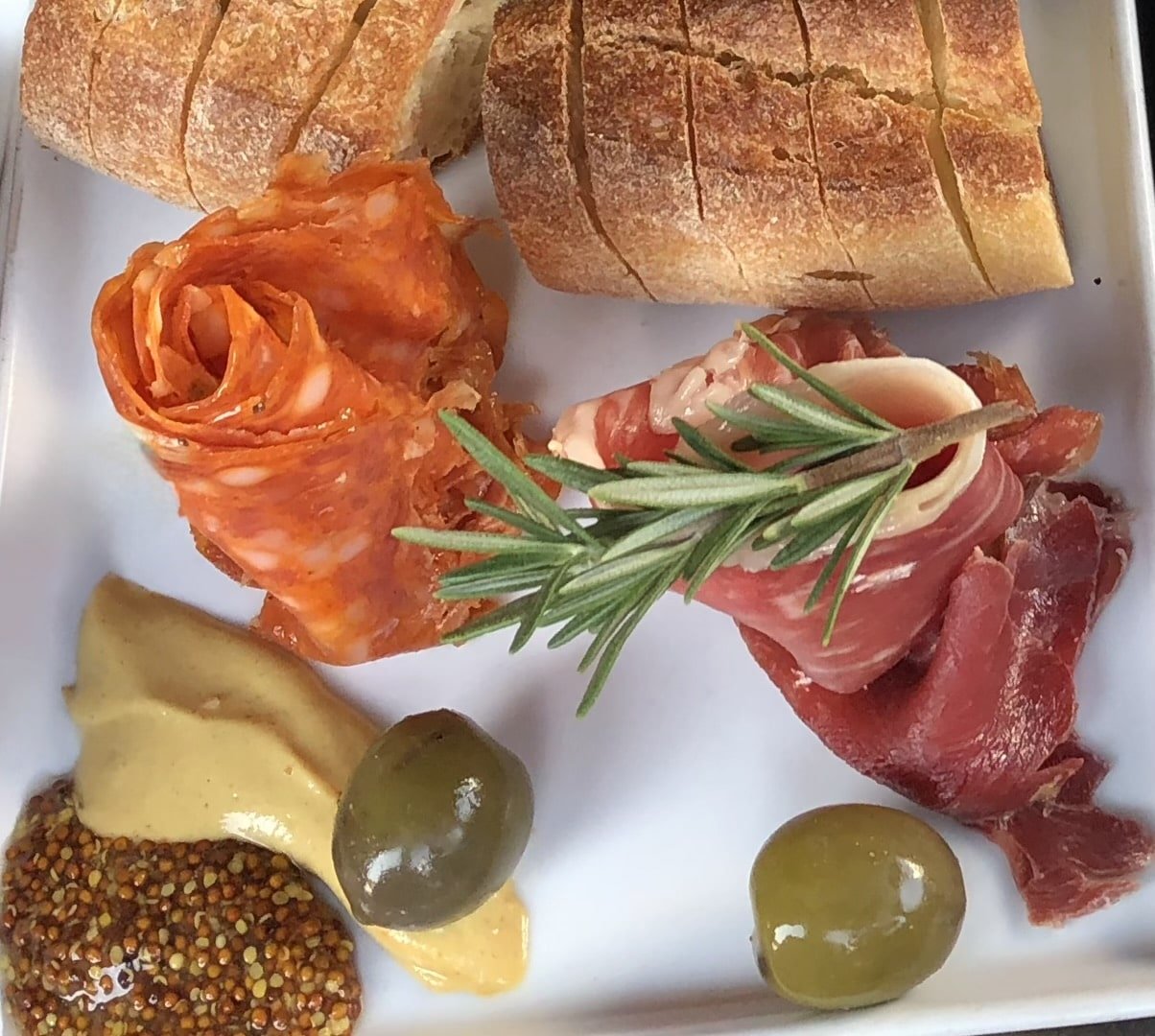
Mustard is a classic and versatile condiment that deserves consideration. Its sharp, tangy flavor comes from ground mustard seeds blended with vinegar, water, and various seasonings.
There are many varieties to choose from: Dijon mustard is smooth and piquant, adding a refined heat; whole grain mustard offers a rustic texture and a milder bite, while spicy brown and honey mustards can provide either an extra kick or a subtle sweetness.
Perfect Pairings: When I think of mustards, what comes to mind are hams, sausages, and pâté, but truly, most cured meats will be a match.
Mustards also pair beautifully with a range of cheeses, from creamy brie and raclette to hard cheeses like aged gouda, sharp cheddar, and gruyere.
Recommended: Maille Whole Grain Mustard
10. Savory Jellies
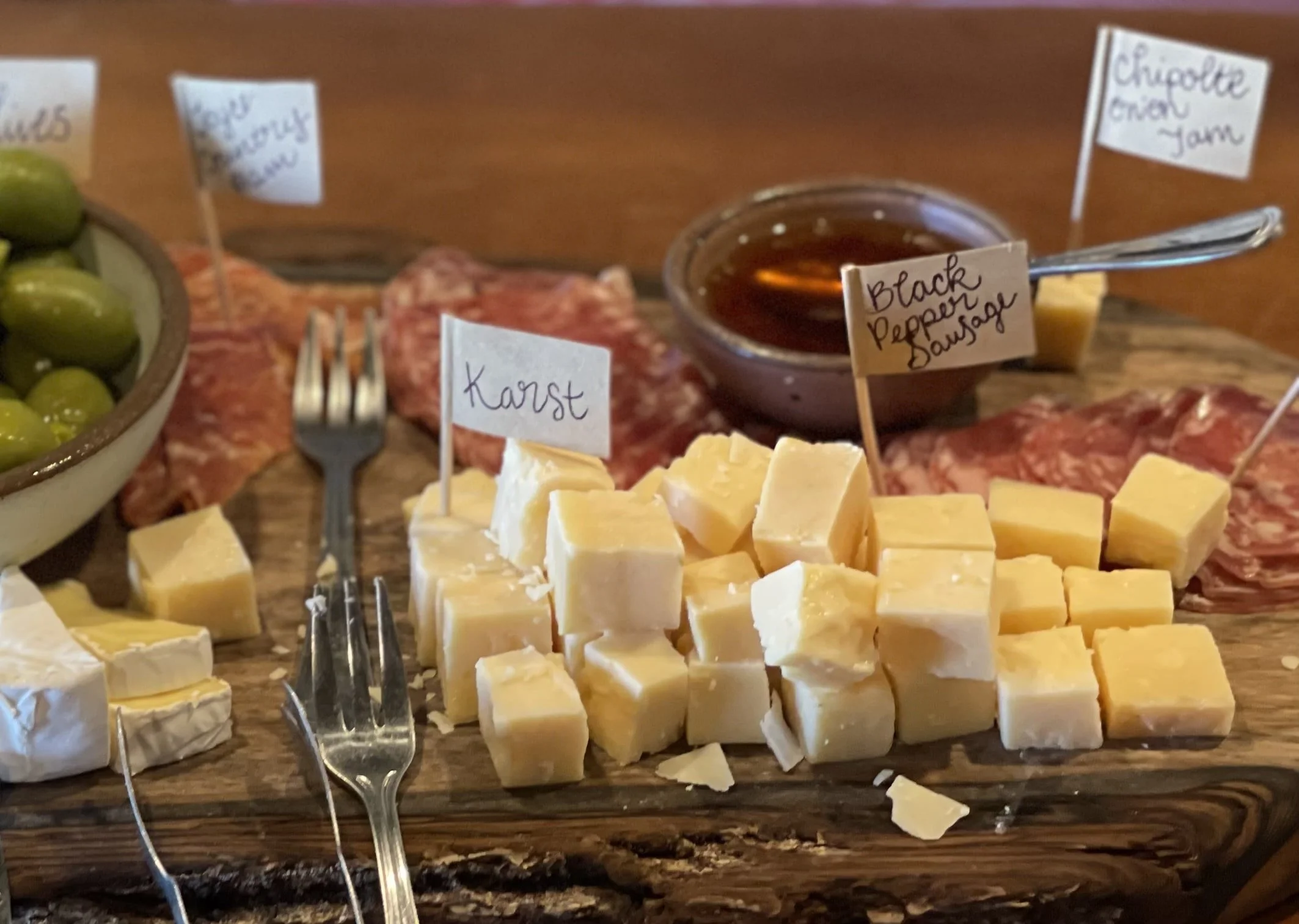
Savory jellies add an unexpected, flavorful twist to any classic charcuterie board by introducing a blend of sweet and savory undertones. Two standouts in this category are pepper jelly and caramelized onion jam.
Pepper jelly offers the perfect balance of sweetness and a subtle spicy kick made from a blend of sweet peppers and mild chiles. In the 1970’s, it was popular to top a block of cream cheese with pepper jelly.
Caramelized onion jam delivers deep, savory-sweet flavors derived from a mix of rich, slow-cooked onions, vinegar, and a hint of balsamic or brown sugar.
Perfect Pairings: The heat of pepper jelly balances fatty meats and creamy cheeses, making each bite pop.
The earthy sweetness and mellow tang of caramelized onion jam beautifully complements robust cheeses like aged gouda or blues. Smear it onto toasted baguette slices and top with your favorite cured meats for a palate-pleasing bite.
Recommended: Stonewall Kitchen Roasted Garlic Onion Jam
Tips for Condiments on a Charcuterie Board
I hope this list helps you with your next charcuterie board or cheese plate! Remember, there are no wrong or right sauces. It all depends on your personal taste buds! Here are a few last tips.
Presentation
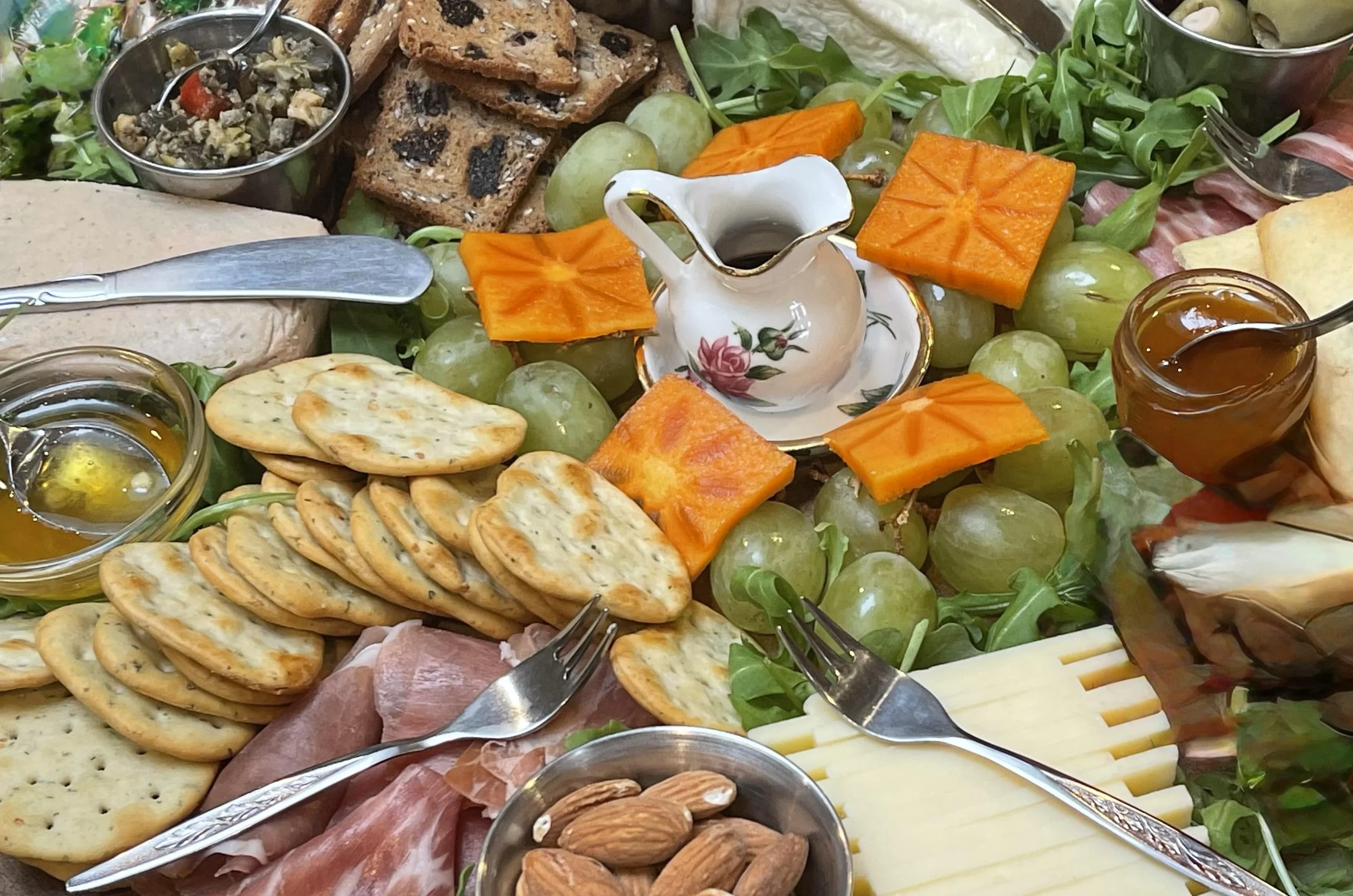
Most often, I put these condiments in small bowls. I’ve also used shot glasses, aperitif glasses, and mini pitchers. Some of the jams and jellies can also go straight onto the wooden board if desired.
Serving Utensils
Don’t forget to include small spoons for most of your condiments. The consistency of some of the spreads, however, invite the use of small cheese knives instead.
Variety
While I’ve been preaching variety, I can also argue against that if you’re doing a themed charcuterie board. For instance, if you’re showcasing German meats, you can stick to different kinds of mustards rather than a panoply of other assorted condiments.
Take Photos
Take photos of your beautiful creations and choose from among this extensive list of charcuterie board quotes to caption your social media posts.
More Tips
For more tips on constructing charcuterie boards, check out these articles:
Ultimate Italian Charcuterie Board
Festive Christmas Charcuterie Boards
French Cheese Boards
Popular Italian Cheeses
Greek Cheeses